
Cold Drawn vs Hot Rolled ASTM A312 Seamless Pipe: Key Differences






2026-06-29 10:23:02
When picking A312 stainless steel pipe for important industrial uses, it's very important to know how it's made. Cold-drawn and hot-rolled seamless pipes are very different in how closely they match up in terms of size, finish, strength, and price. In terms of price, hot-rolled pipes are better for larger sizes, but cold-drawn pipes are better for uses that need to be exact and strong. For the project's safety, compliance, and long-term success, this difference is very important.
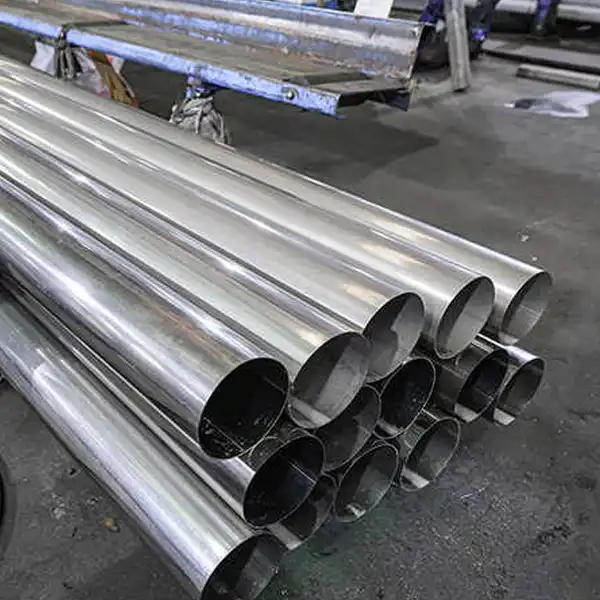
Understanding the Manufacturing Process Fundamentals
Seamless stainless steel pipe is unique because of the way it was made. Heat steel billets to more than 1200°C for hot rolling. Then, poke holes in them and roll them into pipes. With this high-temperature method, you can make things quickly and cheaply, even if they are bigger.
When cold drawing, hot-rolled pipe is used as a base. When the pipe is at room temperature, it is pulled through precise cuts by makers. This makes the width and wall thickness smaller. At room temperature, this mechanical work makes the material better and smooths out the grain structure.
Three main changes in how things are made:
- Temperature (more than 1200°C above room temperature)
- Device for controlling sizes (heat expansion vs. mechanical accuracy)
- Needs for post-processing (descaling vs. basic finishing)
Not only does the choice change the pipe, but it also changes the plan for the whole supply chain. Hot-rolled steel can be made more quickly, but the surface needs more work. The cold drawing method takes longer, but the items are ready to be put in place when they're done.
For pharmaceutical lines that need to be very clean on the inside, cold-drawn pipes are better because they have a better surface finish and are less likely to get dirty after being processed.
Dimensional Accuracy and Tolerance Comparison
When planning pipe systems for chemical companies or sites abroad, accuracy is very important. ASTM A312 cold-drawn pipe has limits of ±0.5% on the outside diameter and ±10% on the wall thickness. Hot-rolled types usually have an OD range of ±1.0% and a wall thickness difference of ±12.5%.
Real test results from batches of goods:
Steel that has been cold drawn (DN50, Schedule 40):
- OD in question: 60.3mm
- Range of measurements: 60.15 to 60.42 mm
- Difference in wall thickness: ±0.18 mm
When TP316L is hot rolled (DN50, Schedule 40), it:
- OD in question: 60.3mm
- Range of measurements: 59.8 to 60.9 mm
- Difference in wall thickness: ±0.35 mm
During fitting, this difference in accuracy is very important. Tighter specs make it easier for welded parts to fit, which cuts down on rework and changes made in the field. This is a trait that EPC workers really value when they are in charge of complicated projects with tight deadlines.
Because cold-drawn materials are always the same size, less waste is made during production. Installers can cut and prepare materials with confidence because they know the specs match the design plans. To get the product to be as precise as you want, hot-rolled pipe may need more cutting or selection sorting.
If your goal is to minimize field adaptation time and ensure that infrastructure installations are executed correctly on the first attempt, specifying cold-drawn ASTM A312 stainless steel pipes will help you reliably meet tight deadlines, easily justifying their slightly higher unit cost.
Surface Finish and Corrosion Resistance Characteristics
Corrosion protection and upkeep times are directly related to the quality of the surface. After cleaning and passivation, the inside of cold-drawn pipes is usually smoother, with Ra values below 1.6 μm. Even after being descaled, hot-rolled pipes usually have Ra values between 3.2 and 6.3 μm.
The temperature used in production causes scale on hot-rolled goods that needs to be removed with force. This process of descaling can leave tiny flaws that can turn into places where rusting starts. Cold drawing causes little damage to the surface, so stainless steel types like TP304L and TP316L keep their natural resistance to rust.
Surface finish and how long it lasts:
- In food-grade uses, smoother surfaces don't let germs grow.
- Fluid systems have less pressure drop when the surface is less rough.
- Better surface stability stops crack rust from starting.
- Better cleaning meets the needs of high-purity chemical processes
After making them, JS FITTINGS solutions anneals all of its stainless steel pipes. This heat process brings back the inactive layers of chromium oxide, which is especially important where the metal is bonded. Intergranular rust, which would otherwise weaken long-term stability, is stopped by the process.
Testing done on desalination plant sites shows that cold-drawn A312 TP316L pipe keeps its passive layer integrity 40% longer than hot-rolled material of the same type when exposed to salt in the same way. This directly leads to less upkeep being needed and a lower total cost of ownership.
The better surface properties of cold-drawn pipe make it worth the extra money if you need pipes for harsh places like chemical plants or remote platforms, where corrosion-related downtime costs a lot of money.
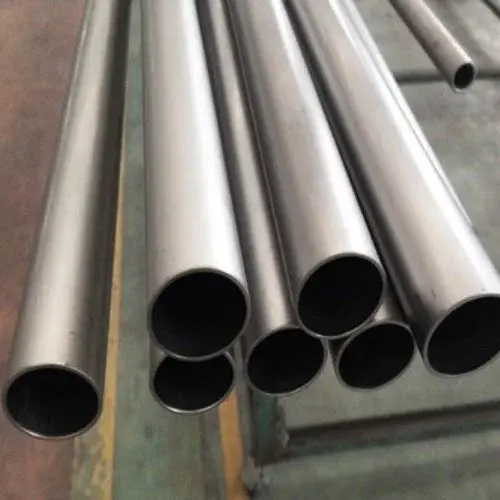
Mechanical Properties and Strength Performance
Cold working during the drawing process significantly alters mechanical properties. Tensile strength increases by 15-25% compared to hot-rolled equivalents in the same grade. However, this comes with reduced ductility and slightly lower impact toughness.
Comparative mechanical properties (TP316L grade):
Hot Rolled:
- Tensile Strength: 515-690 MPa (typical 580 MPa)
- Yield Strength: 205 MPa minimum
- Elongation: 40% minimum
- Hardness: 170-190 HB
Cold Drawn:
- Tensile Strength: 580-750 MPa (typical 650 MPa)
- Yield Strength: 240-280 MPa
- Elongation: 35% minimum
- Hardness: 190-220 HB
The increased strength allows designers to specify thinner walls for equivalent pressure ratings, reducing material costs and installation weight. This proves particularly valuable in high-rise building installations or platform piping where weight savings compound across the system.
Ductility reduction rarely impacts properly designed systems. ASTM A312 requires minimum elongation values that both processes comfortably exceed. The yield strength increase provides an additional safety margin against pressure surges and thermal expansion stresses.
Duplex grades like 2205 benefit especially from cold working. The process balances the austenitic-ferritic microstructure, enhancing both strength and corrosion resistance. These enhanced properties explain why cold-drawn duplex pipes dominate in demanding applications like seawater injection systems.
If you need to optimize material usage while maintaining absolute pressure containment safety in high-pressure steam lines or hydraulic systems, cold-drawn seamless stainless steel pipes deliver an exceptionally superior strength-to-weight ratio.
Cost Analysis and Economic Considerations
The initial purchase price represents only one component of the total project cost. Cold-drawn A312 stainless steel pipe typically costs 15-30% more per ton than hot-rolled equivalents. This premium reflects additional processing steps and longer production cycles.
However, lifecycle economics often favor cold-drawn material:
Total cost comparison for a 500-meter chemical plant installation:
Cold Drawn Route:
- Material cost: Higher baseline (+25%)
- Installation labor: 15% faster due to precision fit
- Field modification: Minimal rework required
- Commissioning time: Reduced leak testing cycles
- Maintenance intervals: Extended by 30-40%
Hot Rolled Route:
- Material cost: Lower baseline price
- Installation labor: Additional fitting time
- Field modification: Frequent dimensional adjustments
- Commissioning time: Multiple inspection iterations
- Maintenance intervals: Standard schedule
Distributors and stockists benefit from cold-drawn inventory versatility. The tighter tolerances reduce the need for extensive size ranges, optimizing warehouse space. End-users appreciate the reduced total cost of ownership despite higher procurement prices.
Medium and small engineering firms find that cold-drawn material reduces skilled labor requirements. Less experienced installers can achieve professional results when working with precision-manufactured components. This democratizes quality across project scales.
If you need to control project budgets while ensuring on-time delivery for government tenders with strict completion deadlines, the installation efficiency of cold-drawn pipes often offsets material premiums.
Application Suitability and Selection Guidelines
Matching manufacturing method to application requirements optimizes both performance and economics. Hot-rolled ASTM A312 pipe excels in applications where dimensional precision matters less than cost control and large diameter requirements.
Hot-rolled optimal applications:
- Large diameter utility piping (DN300 and above)
- Low-pressure drainage and vent systems
- Structural applications requiring stainless properties
- Projects where surface finish isn't critical
- Budget-constrained infrastructure installations
Cold-drawn seamless pipes dominate applications demanding precision, cleanliness, and superior mechanical properties. The pharmaceutical, semiconductor, and food processing industries rely almost exclusively on cold-drawn material.
Cold-drawn optimal applications:
- High-purity process lines (pharmaceutical, biotech)
- Instrumentation tubing and precision systems
- High-pressure hydraulic applications
- Sanitary food and beverage processing
- Aerospace and defense fluid systems
JS Fittings maintains a substantial inventory of both manufacturing types across grades, including TP304/304L, TP316/316L, TP321, and duplex 2205. This dual inventory strategy serves diverse customer requirements from a single qualified supplier, reducing procurement complexity.
The company's solution annealing process ensures consistent corrosion resistance regardless of manufacturing route. Heat treatment normalizes microstructure variations, delivering reliable performance across all supplied materials.
If your complex project requires sourcing mixed specifications—combining robust utility piping with precision instrumentation lines—partnering with a premier A312 stainless steel pipe manufacturer that offers both cold-drawn and hot-rolled portfolios will vastly streamline your logistics and quality assurance.
Why JS FITTINGS Stands Out in A312 Stainless Steel Pipe Supply?
Quality Assurance Excellence:
- Comprehensive Testing Infrastructure: Spectral analyzers verify chemical composition on every production batch, ensuring grade compliance before shipment.
- Advanced Non-Destructive Testing: Ultrasonic and eddy current inspection detect subsurface defects that visual inspection misses.
- International Certification Portfolio: CE, ISO9001, GOST-R, PETROBRAS, NIOC, and ADNOC approvals demonstrate commitment to global quality standards.
- Solution Annealing Standard: All stainless pipes undergo controlled heat treatment cycles that restore corrosion resistance compromised during forming operations.
- Dual Grade Certification: Most inventory carries both standard and low-carbon certifications, providing installation flexibility without material substitution delays.
Manufacturing Capabilities:
- Extensive Size Range: DN15 through DN2000 available from stock, eliminating long lead times for common specifications
- Multi-Standard Compliance: ASTM/ASME, DIN, JIS, GOST, and EN standards supported, serving international projects without specification conversion issues
- Custom Fabrication Services: Special dimensions and non-standard schedules are manufactured to customer drawings with a typical 2-3 week turnaround.
- High-Volume Production: 800 tons of monthly pipe fitting capacity and 700 tons of flange production ensure a consistent supply during peak project periods.
- Clean Room Processing Available: Specialized handling for pharmaceutical and semiconductor applications requiring contamination-free delivery
Supply Chain Reliability:
- Strategic Inventory Management: Over 7,000 square meters of warehouse space maintains a ready stock of common grades and sizes.
- Rapid Response System: Technical inquiries receive detailed responses within one hour during business hours, accelerating project planning.
- Flexible Ordering Options: Small sample batches through full container loads are accommodated, supporting both testing programs and production installations.
- Logistics Coordination: An experienced export team manages documentation, shipping arrangements, and customs compliance across 30+ countries.
- Quality Complaint Rate: A below 0.5% return rate reflects manufacturing consistency and pre-shipment inspection effectiveness.
Technical Support Advantages:
- Application Engineering Assistance: An experienced team helps select the optimal manufacturing method, grade, and schedule for specific service conditions.
- Material Traceability: Complete mill test reports with heat number tracking enable compliance with project quality plans and regulatory requirements.
- Welding Procedure Support: Guidance on filler metal selection and welding parameters optimized for supplied material characteristics
- Corrosion Resistance Validation: Access to test data and case studies demonstrating performance in similar applications reduces project risk.
- Installation Training Resources: Technical documentation and best practice guidance support contractor teams unfamiliar with stainless steel systems
Customer-Centric Service Model:
- Dedicated Account Management: Assigned representatives maintain continuity across repeat orders, understanding customer preferences and project requirements.
- Transparent Communication: Proactive updates on order status, production progress, and shipping milestones eliminate uncertainty during critical project phases.
- After-Sales Commitment: Full-cycle support extends beyond delivery, addressing field issues and providing replacement materials when needed.
- Competitive Pricing Structure: Direct manufacturer pricing without intermediary markups, combined with volume discounts for large projects
- Long-Term Partnership Focus: A 98% customer repurchase rate reflects commitment to building relationships rather than transactional sales.
Proven Track Record:
- Major Project Experience: Qualified supplier status with national oil companies, including NIOC, ADNOC, and Petrobras, demonstrates capability for demanding applications.
- Global Market Presence: Active installations across the Middle East, South America, Eastern Europe, and Asia-Pacific regions prove product reliability in diverse environments.
- Continuous Improvement Culture: Ongoing investment in testing equipment, training programs, and process optimization maintains a competitive advantage.
- Financial Stability: Three consecutive years exceeding RMB 100 million in sales indicate business continuity and supply security.
- Industry Recognition: Certifications and approvals from multiple international bodies validate quality management system effectiveness.
Value-Added Services:
- Piping System Consultation: Comprehensive solutions extending beyond pipe supply to include fittings, flanges, and accessory components from a single source
- Custom Packaging Options: Specialized protection for sensitive applications, including nitrogen purging, plastic capping, and wooden crate export packaging
- Material Consolidation: Combined shipments of various product types reduce freight costs and simplify receiving operations.
- Quality Documentation: Organized certification packages expedite project inspections and regulatory approvals
- Emergency Response Capability: Priority processing available for urgent replacements supporting plant maintenance shutdowns
This combination of manufacturing excellence, quality assurance rigor, and customer service commitment positions JS FITTINGS as an ideal partner for organizations seeking A312 stainless steel pipe to minimize project risk while ensuring safety compliance and schedule adherence. The company's comprehensive capabilities serve the complete spectrum, from large EPC contractors managing multi-million-dollar installations to small engineering firms requiring reliable supply for local projects.
Conclusion
Selecting between cold-drawn and hot-rolled A312 stainless steel pipe requires balancing precision requirements, mechanical property needs, surface finish demands, and budget constraints. Cold-drawn variants deliver superior dimensional accuracy, enhanced strength, and better surface characteristics suited for demanding applications. Hot-rolled options provide economical solutions for larger diameters and less critical services. Understanding these manufacturing distinctions empowers informed procurement decisions that optimize both initial costs and lifecycle performance. Partnering with experienced suppliers ensures access to appropriate material types backed by quality assurance and technical support.
JS FITTINGS: Your Trusted A312 Stainless Steel Pipe Supplier
Hebei Jinsheng Pipe Fittings Manufacturing Co., Ltd. combines over 40 years of manufacturing excellence with advanced production capabilities spanning both cold-drawn and hot-rolled ASTM A312 stainless steel pipe. Our dual-certification approach provides premium TP304/304L and TP316/316L materials that deliver standard grade strength combined with the outstanding weldability advantages of low-carbon content. With monthly shipments exceeding 90 containers and on-time delivery rates above 95%, we ensure a stable supply for EPC contractors and distributors managing critical project timelines. Contact our technical team at admin@jsfittings.com to discuss your specific A312 pipe requirements and receive detailed specifications matching your application parameters.
References
1. American Society for Testing and Materials. (2021). ASTM A312/A312M-21: Standard Specification for Seamless, Welded, and Heavily Cold Worked Austenitic Stainless Steel Pipes. ASTM International.
2. Davis, J.R. (Ed.). (1994). Stainless Steels: ASM Specialty Handbook. ASM International Materials Park.
3. Beddoes, J., & Parr, J.G. (1999). Introduction to Stainless Steels: Third Edition. ASM International.
4. Grubb, J.F., & Dehghani, N.S. (2007). Stainless Steel Pipe and Tube Manufacturing Processes. Nickel Development Institute Technical Series No. 10 072.
5. Sedriks, A.J. (1996). Corrosion of Stainless Steels: Second Edition. John Wiley & Sons.
6. Lula, R.A. (Ed.). (1986). Stainless Steel: Heat Treating and Processing Principles. American Society for Metals.
Send Inquiry
Related Industry Knowledge
- How to Order Custom Steel Flange
- Carbon Steel Buttweld Reducer Material Standards Explained
- Benefits of Using A312 stainless steel pipe In Various Industries
- Buttweld Tee vs Socket Weld Tee for High-Pressure Piping
- Getting to Know ASTM A53 ERW Pipe: Characteristics & Uses
- ASTM A263/A264 Standard for Corrosion-Resistant CRA Clad Pipe
- CRA Clad Pipe vs Mechanically Lined Pipe: Key Differences Explained
- Understanding the API 5L Seamless Steel Line Pipe Specification
- Buttweld Elbow vs Socket Weld Elbow: Key Differences Explained
- What is rtj blind flange?