
What is rtj blind flange?






2026-05-14 10:42:55
An RTJ blind flange is a specialized, solid forged steel disc that ingeniously combines the high-integrity sealing power of Ring-Type Joint technology with the flow-terminating function of a standard blind flange. RTJ blind flanges are different from regular ones because they have a precisely machined circular groove that is made to fit metallic ring gaskets. This creates a metal-to-metal seal suitable for high-temperature and high-pressure applications, including ASME pressure ratings up to Class 2500. This important safety part stops flow in piping systems or seals gaps in pressure vessels. It works very well in high-pressure oil, gas, and petrochemical uses and doesn't leak.
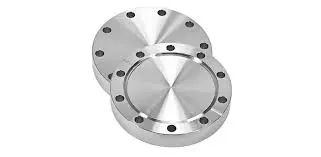
Understanding RTJ Blind Flange: Definition and Key Features
Ring-type joint blind flanges represent an advanced development in pipeline connection technology. The basic design features a precisely machined groove that accommodates oval or octagonal metal ring gaskets. When installed, these gaskets bend plastically to make a seal that can't be broken.
Advanced Sealing Mechanism
The sealing works because of the "coining" effect, which happens when the bolt loads the flange and the softer metal gasket pushes into the harder slot. This process creates a controlled plastic deformation that minimizes potential leak paths. It is common for the gasket material to be at least 30 Brinell Hardness (HB) less hard than the flange material. This is done to ensure that the gasket deforms properly without damaging the flange groove.
Material Specifications and Standards
JS Fittings makes RTJ blind flanges that meet many foreign standards, such as ASME B16.5 (up to 24"), ASME B16.47 Series A & B (26" and above), MSS SP-44, DIN, and EN 1092-1. We can manufacture sizes from 1/2" to 60" (NPS 1/2 to NPS 60), depending on applicable standards and material availability, and we can meet pressure classes from ASME/ANSI Class 150 to 2500, as well as European values from PN6 to PN100.
Carbon steel is commonly used for general applications, stainless steel for corrosive environments, and alloy steels for high-temperature service. When choosing a material, practical factors like pressure, temperature, and chemical compatibility are taken into account.
Precision Manufacturing Requirements
To get the seal consistency that is needed, the groove shape needs to be machined with great accuracy. To ensure even gasket seating, our CNC machining processes maintain tight dimensional tolerances throughout groove machining. The depth, width, and surface finish of the grooves directly affect sealing performance, so quality control is very important during production.
RTJ Blind Flange vs. Other Flanges: Making the Right Choice
When procurement teams know the benefits of RTJ blind flange technology compared to other options, they can make better choices for their unique needs.
Comparison with Raised Face Blind Flanges
Raised face (RF) blind flanges commonly use spiral wound or soft gaskets, which are generally less suitable than RTJ systems for extremely high-pressure and high-temperature applications. The RTJ blind flanges' metallic sealing device stays intact at pressures up to Class 2500. This is why they are necessary for high-pressure uses in upstream oil and gas activities.
Another important difference is temperature resistance. When RF flanges are heated, organic gaskets break down, but metallic ring gaskets maintain sealing integrity even after repeated thermal expansion and contraction cycles.
Advantages Over Flat Face Configurations
Flat Face (FF) blind flanges work well in low-pressure cast iron systems, but they can't keep pressure in like industrial pipe networks need. RTJ setups offer better bolt loading distribution and do not have the seal blowout risks that come with FF designs when internal pressures are high.
Installation and Maintenance Considerations
Even though RTJ blind flanges need to be installed more carefully than normal designs, they have big benefits in the long run. The metal-to-metal seal doesn't break when it's vibrated, which means it doesn't need to be fixed as often. But the metal seals can't be used again; they have to be replaced every time the unit is taken apart.
During installation, gasket compression must be carefully controlled to ensure even loading around the flange. This stops uneven loading that could damage the groove or gasket. When you use a star design to sequence the torques correctly, the bolts stay loaded evenly.
Common Applications and Benefits of RTJ Blind Flanges
Industrial applications for RTJ blind flange technology span numerous high-risk environments where absolute system integrity is non-negotiable.
Oil and Gas Industry Applications
Upstream activities use RTJ blind flanges to separate the wellhead, test the pipeline, and get ready for future tie-ins. Because they can handle sudden changes in pressure and keep their seals in good shape in harsh conditions, they are essential for offshore bases and undersea uses.
RTJ blind flanges are used in refineries to isolate process units during maintenance shutdowns. The strong covering stops hydrocarbon spills that could be dangerous or bad for the environment.
Petrochemical and Chemical Processing
Chemical processing plants need RTJ blind flanges to separate pipelines and keep reactor vessels separate. Specialized metal materials are resistant to chemicals, and they can seal better than other materials, so the process stays contained even when temperature and pressure change.
Power Generation and Industrial Manufacturing
In power plants, uses include cutting off the steam system and the boiler feedwater line. The ability of metallic gaskets to survive temperature cycling keeps the integrity of the seal under the tough conditions that are common in power generation operations.
Industrial manufacturing facilities use RTJ blind flanges in high-pressure process fluid systems, hydraulic units, and other critical piping systems requiring reliable isolation.
Cost-Benefit Analysis for Procurement
Although RTJ blind flange systems have higher initial costs than standard alternatives, they deliver significant long-term value through reduced maintenance, enhanced safety, and improved system reliability. Unplanned downtime costs often outweigh the price difference within the first operational year, making RTJ technology a good buy for important uses.
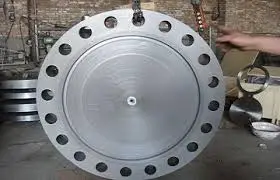
How to Identify and Choose the Best RTJ Blind Flange?
To ensure the best performance and compliance, you need to know the technical specs, quality signs, and supplier qualifications in order to make the right choice.
Visual Identification Features
RTJ blind flanges have precision-machined ring grooves on the flange face designed for metallic ring gaskets. The groove is designed to accommodate either oval or octagonal ring gaskets, and newer flat-bottom versions can use either type of gasket. High-quality flanges have groove walls that are smooth and uniform, with no machining lines or other surface flaws.
Markings used in manufacturing usually have information about pressure classes, material specs, heat treatment numbers, and how to track the product. Third-party inspection marks from well-known organizations add to the quality guarantee.
Technical Selection Criteria
The flange pressure class must comply with the system design pressure and temperature requirements specified by the applicable engineering code. Temperature ratings should take into account both normal and emergency operating conditions, including any changes that might happen during an upset.
Material compatibility analysis checks how well something resists rust, how strong it is at working temperatures, and how well it reacts chemically with process fluids. For sour gas service or other corrosive conditions, you may need special metals.
Supplier Qualification Requirements
Reliable providers keep certifications like ISO 9001 for quality management, API 6A certification for tools, and approvals from big oil companies that are specific to each customer. Manufacturing capabilities should include full material traceability, from certifying raw materials to keeping records of the end review.
Material traceability, dimensional inspection, and applicable nondestructive or pressure testing procedures are important parts of quality control systems. Non-destructive testing methods, like ultrasound testing and magnetic particle screening, make sure that structures are sound.
Purchasing Guide: How to Buy RTJ Blind Flanges for Your Project?
Costs, quality standards, and delivery times all need to be balanced in good buying plans to help projects succeed.
Sourcing Strategy Development
When you work directly with a manufacturer, you can get better customization options, expert help, and lower costs for big orders. Authorized distributors have access to goods and can give smaller quantities, but they may not have as many expert tools.
When judging a supplier, you should look at their production capacity, quality licenses, track record of on-time deliveries, and financial security. For urgent needs, being close by can cut down on shipping costs and arrival times.
Pricing and Commercial Considerations
Cost patterns are different depending on the type of material, the pressure class, the size range, and the number of items ordered. For most uses, carbon steel is the most cost-effective choice. Stainless steel and other rare metals, on the other hand, cost a lot more.
Volume discounts are usually given for sales that are bigger than a certain minimum number. Long-term supply deals can help you get better prices and a guaranteed share for projects that last more than one year.
Lead Time and Logistics Planning
Standard RTJ blind flange sizes in commonly used materials are often stocked for faster delivery. If you need custom specs or unusual materials, the wait time for manufacturing could be 8 to 12 weeks.
When sending internationally, you need to think about things like export paperwork, packing rules, and how to get through customs. Taking the right precautions can keep grooves from getting damaged while they are being moved or stored.
Conclusion
The RTJ blind flange technology is the best way to end a pipeline in an industrial setting with high pressure and temperature. When compared to regular gasket systems, the metal-to-metal sealing mechanism provides superior reliability. This makes these components essential for oil and gas operations, petrochemical processing, and other demanding environments. When industry workers know about the technical benefits, application needs, and buying factors, they can make smart choices that improve system safety, lower maintenance costs, and make sure they follow the rules. Investing in high-quality RTJ blind flange systems pays off in the long run because they work well and are reliable.
FAQ
1. What makes RTJ blind flanges different from standard blind flanges?
RTJ blind flanges have a precisely cut gap that fits metallic ring gaskets. This creates a metal-to-metal seal suitable for pressure ratings up to ASME Class 2500. Standard blind flanges typically use non-metallic or semi-metallic gasket systems that may be less reliable than RTJ sealing systems in severe high-pressure applications. This is why RTJ technology is so important for high-pressure uses.
2. Can metallic ring gaskets be reused with RTJ blind flanges?
Metallic ring gaskets can't be used again because the sealing mechanism depends on the plastic stretching when it's installed. Because the gasket undergoes permanent plastic deformation during installation, reusing it is dangerous and unpredictable. For each reassembly cycle, new seals must be put in.
3. What is the difference between oval and octagonal ring grooves?
Modern RTJ flanges are manufactured with a flat-bottom groove profile that is compatible with both oval and octagonal ring gasket designs. Octagonal ring gaskets generally provide more efficient sealing under high-pressure conditions because of their larger sealing contact area compared to oval rings. In older versions with a round bottom groove, only oval rings could fit.
4. How do I prevent damage to RTJ flange grooves during shipping?
Heavy-duty plastic protectors or bolted wooden covers are commonly used to protect groove surfaces while they are being moved or stored. Small scratches on groove walls often need expensive remachining, so protecting them properly is very important for keeping the part's integrity.
Partner with JS FITTINGS for Superior RTJ Blind Flange Solutions
JS FITTINGS stands as your premier manufacturer and trusted supplier of industrial piping components, backed by over 40 years of manufacturing excellence and proven expertise in high-pressure solutions. Our comprehensive product range spans 1/2" to 60" sizes across all major international standards, supported by ISO 9001 certification and approvals from leading energy companies including NIOC, ADNOC, and Petrobras. With monthly production capacity exceeding 700 tons and 95% on-time delivery performance, we ensure your critical projects stay on schedule while maintaining the highest quality standards. Contact our technical specialists at admin@jsfittings.com to discuss your specific requirements and receive customized solutions backed by comprehensive quality assurance and full-cycle support services.
References
1. American Society of Mechanical Engineers. "ASME B16.5 Pipe Flanges and Flanged Fittings: NPS 1/2 through NPS 24 Metric/Inch Standard." ASME International, 2020.
2. American Petroleum Institute. "API Specification 6A: Specification for Wellhead and Christmas Tree Equipment." API Publishing Services, 21st Edition, 2019.
3. Bickford, John. "An Introduction to the Design and Behavior of Bolted Joints, Fourth Edition, Revised and Expanded." CRC Press, Taylor & Francis Group, 2008.
4. European Group for Standardization. "EN 1092-1: Flanges and their joints - Circular flanges for pipes, valves, fittings and accessories, PN designated - Part 1: Steel flanges." The CEN, 2018.
5. Manufacturers' Society for Standardization. "MSS SP-44: Steel Pipeline Flanges." 2010 MSS Valve Manufacturers Association.
6. Antaki, George A. "Piping and Pipeline Engineering: Design, Construction, Maintenance, Integrity, and Repair." Marcel Dekker Inc., 2003.
Send Inquiry
_1775029549981.webp "Buttweld Tee")
_1775030068227.webp "ASTM A105 Weld Neck Flange")

Related Industry Knowledge
- ASME B16.9 Buttweld Reducer Dimensions and Weight Guide
- Long Radius Buttweld Elbow: Ultimate Guide 2026
- What Is The Difference Between Different Grades Of API 5L Seamless Steel Line Pipe In Performance?
- Slip-On Flanges: Types, Uses, and Installation Guide
- Carbon Steel Buttweld Reducer for High-Pressure Pipelines
- What is seamless carbon steel pipe used for?
- Best Buttweld Elbow Materials for Corrosive Industrial Pipelines
- What are butt weld fittings?
- How to bolt to flanges with threaded holes?
- What specification is the carbon steel black pipe?