
ASTM A105 Carbon Steel Forged Steel Flange Specifications






2026-06-05 09:44:52
Specifications for ASTM A105 carbon steel forged steel flanges spell out the necessary material makeup, mechanical qualities, and size standards for one of the most common industrial pipe connection parts. A high-pressure forging process is used to make these flanges. This process smooths out the steel's internal grain structure, making it very strong and reliable for systems that have to work in harsh pressure and temperature conditions. When procurement workers understand these specifications, they can choose parts that reduce project risk and ensure long-term operational safety.
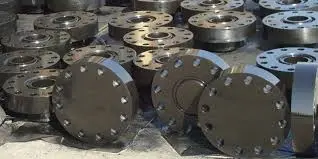
Understanding ASTM A105 Carbon Steel Forged Steel Flanges
Material Composition and Mechanical Properties
ASTM A105 is the name of a grade of carbon steel that is specially made for forging in pipe systems. The right amounts of carbon, manganese, phosphorus, sulfur, and silicon are controlled in the material. This makes it strong, easy to weld, and easy to machine. At JS Fittings, we only buy raw steel billets from approved mills that can back up their claims with full paperwork. This way, we can be sure that every batch meets the ASTM A105 standard's chemical composition limits.
These flanges have a minimum tensile strength of 485 MPa (70,000 psi) and a minimum yield strength of 250 MPa (36,000 psi). These values are reached by using controlled forging temperatures and post-forge heat treatment methods. We keep an eye on them all the time in our quality control laboratory using calibrated tools.
Manufacturing Process and Grain Structure Refinement
Our carbon steel forged steel flanges are made under very strong compression forces, which is different from cast options that might have holes or uneven density inside. This high-pressure mechanical forging process packs the steel molecules together and lines up the grain flow across the flange body in a horizontal direction. This gets rid of the holes and gas pockets that make cast goods weak. The finer grain structure directly leads to better wear resistance, which means that the flange can handle repeated temperature changes and pressure spikes without developing tiny cracks.
We use modern forging presses that can put out up to 1,600 tons of power and induction heating systems that heat billets to the right temperature for forging in just minutes. Our production team follows strict rules to keep the temperature even. This keeps the grains from getting bigger, which could weaken the mechanical integrity.
Range of Flange Types and Configuration Flexibility
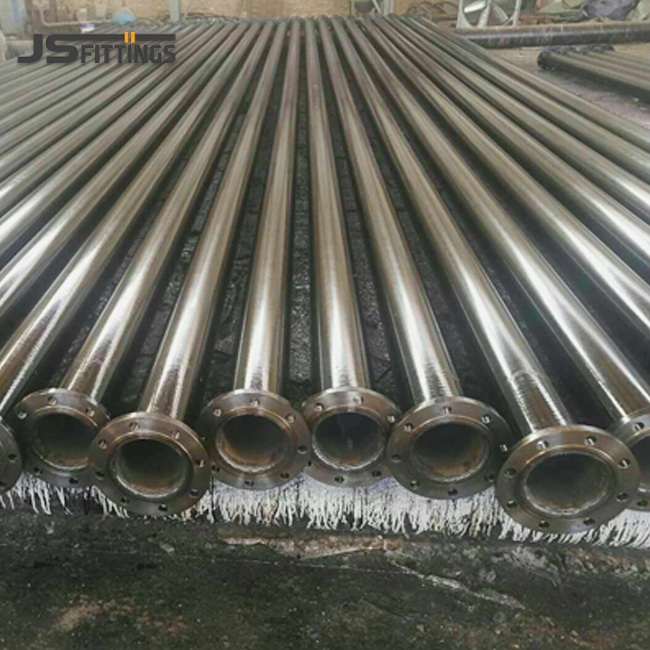
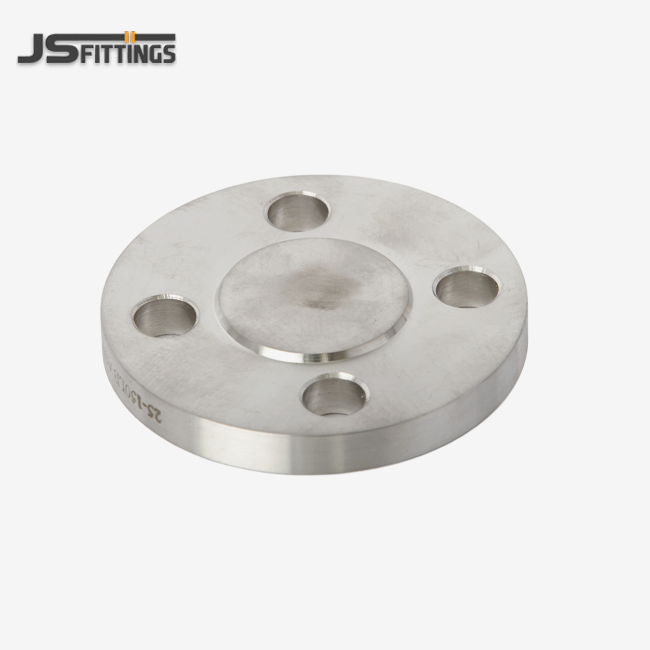
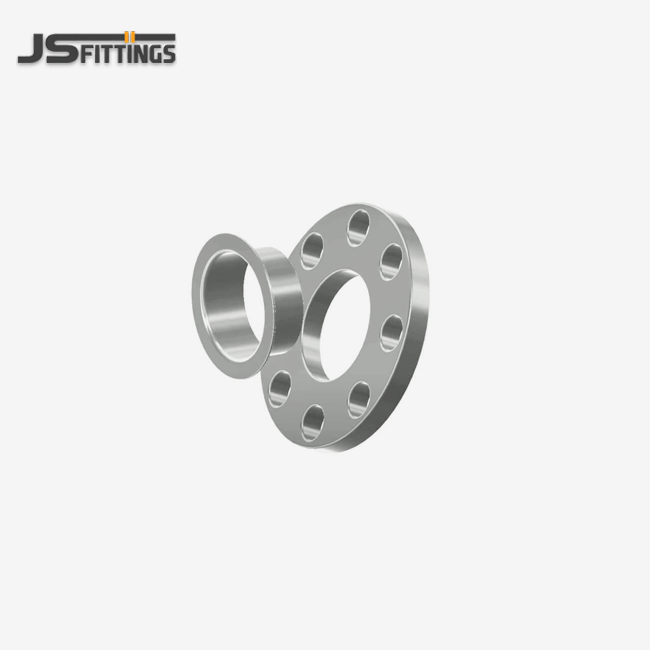
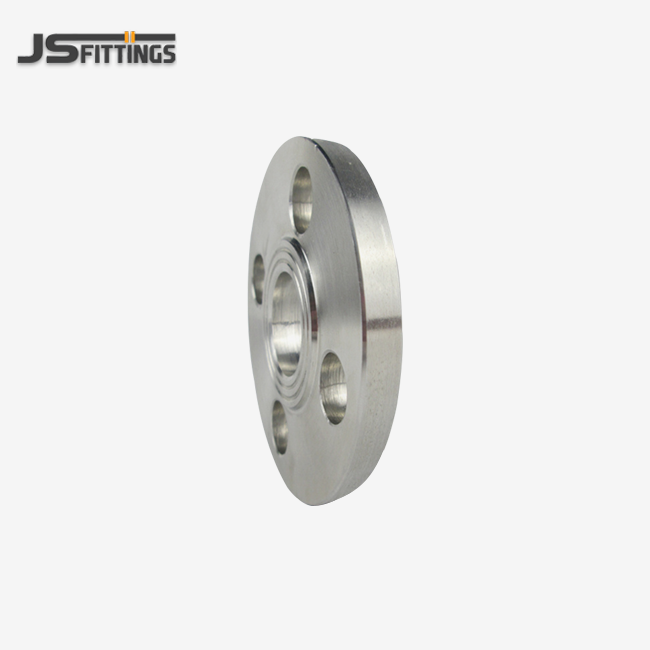
As a company, JS Fittings makes a wide range of forged flange types to meet the needs of different fitting situations. Weld neck flanges have a tapered hub that spreads stress widely when they are welded to pipe. This gives them the best structural strength for important high-pressure work. For uses with less pressure, slip-on flanges make it easier to line up and place parts faster. Blind flanges are solid end points that let you shut down the system for repair without having to change the pipes permanently. Socket weld and threaded designs are used for high-pressure pipes with small diameters where weld access is limited by a lack of room. Lap joint plates make it easier to take systems apart, often when they need to be inspected or cleaned.
Dimensional and Technical Specifications of ASTM A105 Forged Flanges
ASME B16.5 and B16.47 Dimensional Standards
For sizes from 1/2 inch to 24 inches, our carbon steel forged steel flanges strictly follow ASME B16.5. For big-diameter flanges from 26 inches to 60 inches, they strictly follow ASME B16.47 Series A and B. These standards give exact measures for the width of the flange, the outer diameter, the diameter of the bolt circle, the size of the bolt hole, and the size of the raised face. Our CNC machining centers keep limits of ±0.5 mm on important measurements, which makes sure that the bolt holes line up perfectly with the equipment that goes with them. This level of accuracy in measurements gets rid of field fit-up issues that lead to expensive installation delays. This is a problem that EPC companies with tight project plans often mention.
The hub width and length of weld neck flanges are determined to fit specific pipe schedules. This makes the internal bore changes smooth, which reduces the amount of turbulence and erosion in the flow of fluid. We keep standard sizes in stock, but we can also make custom sizes if a job needs a bore size that isn't standard or a bolt pattern that works with secret equipment.
Pressure-Temperature Ratings and Service Limits
ASTM A105 forged carbon steel flanges are strictly manufactured to accommodate pressure classes ranging from Class 150 to Class 2500. These classes show the highest pressures that can be used, which change depending on the temperature at which the flanges are being used. At 100°F, a Class 150 flange can handle up to 285 psi. At 500°F, it can handle approximately 200 psi, according to ASME B16.5 pressure-temperature ratings. At 500°F, it can only handle 180 psi of pressure because the material's strength drops with temperature. Class 600 or higher flanges are typically required in hydrocracking units and offshore production sites where operating pressures often exceed 1,000 psi, noting that allowable pressure decreases as temperature rises according to ASME B16.5.
With every shipment, we include thorough pressure-temperature charts that allow installation teams to make sure that the flanges they choose are suitable for both regular use and possible upset situations. The charts show how the ratings of materials change at high temperatures, which helps engineers make sure that their systems have enough safety gaps.
Heat Treatment and Mechanical Property Enhancement
When made in our factory, all of the machined flanges go through controlled heat treatment processes that are made to fit the pressure class and end-use needs. For normalizing heat treatment, flanges are heated to 850–900°C, held at that temperature to homogenize the grain, and then cooled in air. Large or thick flanges may require controlled heating and cooling rates to achieve uniform mechanical properties. This process reduces the internal pressures that were created during shaping and makes the grains smaller, which makes the metal stronger and more flexible. Larger flanges that will be used in low-temperature environments may need extra impact tests at -20°C or lower to make sure the Charpy V-notch values meet project requirements. This is especially important for LNG ports and Arctic pipeline uses.
Our metallurgical lab uses calibrated Brinell testers to check the hardness of every output lot to make sure the numbers are within the allowed range. This keeps flanges from being too hard and cracking when the bolts are tightened and keeps material from being too soft and prone to gasket embedment and leaking.
Comparing ASTM A105 Carbon Steel Forged Steel Flanges with Alternatives
Forged versus Cast Flange Performance
The main difference between forged and cast flanges is how they are made and the structure they have inside. When melted steel is poured into molds to make cast flanges, it can trap air bubbles and leave holes where the metal will shrink as it hardens. In cyclic pressure uses, these flaws cause stress to build up, which greatly shortens the wear life. Our carbon steel forged steel flanges, on the other hand, have a constant grain flow that doesn't stop, so they are strong in all directions. When the same service conditions are used, field failure data from petrochemical plants constantly show that cast flanges fail three to five times more often than their forged counterparts.
Forging is better mechanically, and this is especially clear in the stability of bolted joints. When techs tighten bolts to the stated torque levels, the flange must not bend while the gasket is evenly compressed. If a cast flange has holes inside it, it could experience localized giving, which could lead to uneven gasket loads and leaks. When the bolt is under the most stress, our precision-forged parts stay flat within 0.25 mm across the closing face. This is a level of performance that can't be achieved with traditional casting methods.
Carbon Steel versus Stainless Steel Material Selection
It is true that stainless steel flanges are better at resisting rust in acidic or chloride-containing environments, but carbon steel forged steel flanges are much cheaper and work well enough in most industrial settings. As a result, ASTM A105 material is about 40% cheaper than 304 stainless steel, which lowers the overall cost of large-scale installs. If you protect carbon steel with the right treatments, it will last for decades in places where neutral pH fluids are used at low temperatures. This includes hydrocarbon processing, steam distribution, and compressed air systems.
We use industrial-grade coatings like hot-dip galvanizing, black oxide, and yellow chromate to protect against rust while it's being stored, moved, and used. These treatments on the outside of carbon steel flanges make them strong enough to survive harsh marine environments while being shipped to offshore sites. They also offer temporary security until systems are put into service and filled with process fluids.
Forged Flanges versus Welded Fabrications
Instead of using integrally forged parts, some projects call for manufactured flanges that are put together by welding plate pieces together. Fabricated choices might slightly lower the cost of materials, but they have welded parts that need to be x-rayed and heated to meet code requirements. During the welding process, heat-affected zones are formed that have different metallurgical qualities and can become prime locations for corrosion or fatigue cracks. Our one-piece forged flanges get rid of these weak spots completely, giving you monolithic construction that makes quality control easier and speeds up project plans by getting rid of multiple inspection stop points.
Procurement Guide for ASTM A105 Carbon Steel Forged Steel Flanges.
Supplier Qualification and Certification Verification
To find a good manufacturer of ASTM steel flanges, you need to carefully look at their quality control methods and industry certifications. JS Fittings keeps its ISO 9001:2015 certification, which shows that we are dedicated to maintaining process control and making improvements all the time. We also have special approvals from oil companies like NIOC (National Iranian Oil Company), ADNOC (Abu Dhabi National Oil Company), and Petrobras, as well as certifications from major international standards bodies. For example, we have CE marking for European markets and GOST-R for the Russian Federation.
When procurement teams look at different sources, they should ask to see copies of audit reports from a third party and look at the range of approved products. Our extensive manufacturing capabilities cover premium carbon steel, alloy steel, and stainless steel forged flanges in sizes ranging from DN15 to DN2000.This makes it easy for complicated projects that need a lot of different material types and sizes to only have to deal with one supplier.
Order Parameters and Customization Capabilities
We can handle different order sizes so that we can meet the needs of both wholesalers who are stocking up and EPC contractors who have specific needs for each job. For normal sizes, the minimum order quantity starts at a single container load, which is about 20 tons. For custom sizes, the minimum order quantity may be higher based on the need for special tools. Our normal wait time is 35 to 45 days from receiving a buy order to loading a container. However, for an extra fee, we can speed up production and get this time down to 21 days for projects that need to be done quickly.
Customization choices go beyond changing the sizes; they also include trying the material in unique ways, choosing from different facing setups (ring-type joint, male & female), and not using standard bolt hole patterns. Our engineering team looks over the technical plans that customers send us and lets us know within 24 hours if the design can be made. They also make suggestions for design improvements that might lower costs or make the product work better.
Traceability Documentation and Material Certification
Every flange that leaves our plant comes with a lot of paperwork that shows where the materials came from and how they were inspected at the end. Mill Test Certificates (MTCs) that meet the requirements of EN 10204 3.1 give chemistry analysis reports and test data for mechanical properties from the steel mill. Our internal quality paperwork includes reports on dimensional inspections, measures of the surface finish, and photos of the markings on the products. This set of documents helps clients with their quality management needs and gives them the audit trail they need to follow the rules in important industries.
We keep in touch with approved third-party inspection companies like TÜV, SGS, and Bureau Veritas. This makes it easier to test witnesses and do independent checks when the project requirements call for them. Clients can set up pre-shipment reviews at our plant so that their representatives can see how we test for pressure, check dimensions, and package items.
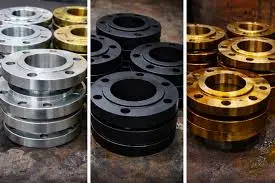
Applications and Industry Use Cases of ASTM A105 Carbon Steel Forged Steel Flanges
Oil and Gas Upstream Production
Our forged flanges link important flow control equipment that is often put under pressures higher than 5,000 psi in offshore platforms and wellhead installations on land. Because the material doesn't crack easily when exposed to hydrogen, it can be used in sour gas service that includes H₂S as long as the material selection rules in NACE MR0175 are followed. A big oil company in the North Sea said that none of the more than 200 links they put in five years ago using our Class 900 Weld Neck flanges failed. This shows how reliable parts can be over time.
Petrochemical and Refining Infrastructure
Refineries that turn crude oil into fuels and chemicals use constant processes that cost millions of dollars every day when they have to shut down without warning. Our carbon steel forged steel flanges are used in fluid catalytic cracking units, alkylation plants, and aromatics extraction facilities. They keep leak-tight seals in place during heat cycling so that dangerous materials don't leak out. In the Midwest, an oil refinery changed old cast flanges with our forged replacements in a coker unit. Over the next two years, the refinery saw an 87% drop in fugitive emission events.
Power Generation Systems
In coal, gas, and nuclear power plants, flanged links made of ASTM steel flanges are used for installing steam turbines in high-pressure steam lines that can reach temperatures of up to 550°C. ASTM A105 material doesn't grow and stays the same size, so gaskets don't loosen, and pin loads stay the same for decades of use. A European utility company that runs combined-cycle gas turbines chose our Class 600 flanges for the main steam pipes. They chose us because we can provide impact-tested material approved down to -40°C for cold-start circumstances.
Conclusion
The ASTM A105 requirements for carbon steel forged steel flanges set the standard for safe, low-cost pipe connections in important industrial structures. When compared to cast alternatives, the forging method gives better mechanical qualities. Standardized measurements make it easier to buy things all over the world. To write a good design, you need to know how pressure and temperature relate to each other, how to set up the flanges correctly, and how to find a qualified source. JS Fittings has been making things for 40 years and has a wide range of quality control methods and production options to help with projects of all sizes, from small installations to multibillion-dollar building projects.
FAQ
1. What distinguishes ASTM A105 forged flanges from A350 LF2 material?
ASTM A350 LF2 is a type of low-temperature carbon steel that has nickel added to it to make it tougher at temperatures below zero. It is only used when the temperature drops below -29°C, while ASTM A105 can be used for a wide range of tasks from -29°C to 425°C; applications above this temperature may require alloy steel grades such as ASTM A234 WP11/WP91.
2. Can carbon steel forged flanges be used in seawater applications?
In ocean settings, standard A105 material corrodes more quickly. ASTM A105 carbon steel flanges are not suitable for long-term direct exposure to seawater. For marine applications, stainless steel or suitable alloy materials should be used. Carbon steel may only be used for short-term or protected exposure with barrier coatings and cathodic protection.
3. How do I verify that flanges meet ASTM A105 specifications?
Check the mill test certificate for the chemical makeup and mechanical properties. Also, make sure that the measurements meet the standards of ASME B16.5 and that the maker has the right quality certifications. When the project requirements call for it, independent proof can be provided by third-party inspection companies.
Source Premium ASTM A105 Forged Flanges from JS FITTINGS
JS FITTINGS offers engineering-grade carbon steel forged steel flange options. They have been making high-quality products for 43 years and have ISO, GOST-R, PETROBRAS, NIOC, and ADNOC certifications to back them up. Our 7,000-square-meter factory makes more than 700 tons of flanges every month, which are sent to more than 30 countries. We have an on-time delivery rate of over 95%, and more than 98% of our customers buy from us again. Our expert team answers all questions within an hour and gives you thorough quotes, material certifications, and samples, whether you need standard ASME B16.5 configurations or custom-engineered solutions for unique uses. Get in touch with a reliable carbon steel forged steel flange maker at admin@jsfittings.com to talk about your project needs and see for yourself why we're the source of choice for major energy companies around the world.
References
1. American Society of Mechanical Engineers (2020). ASME B16.5: Pipe Flanges and Flanged Fittings NPS 1/2 Through NPS 24 Metric/Inch Standard. New York: ASME Press.
2. ASTM International (2019). ASTM A105/A105M-19: Standard Specification for Carbon Steel Forgings for Piping Applications. West Conshohocken: ASTM International.
3. Becht Engineering (2018). Comparative Analysis of Forged versus Cast Flange Performance in High-Pressure Service. Journal of Pressure Vessel Technology, 140(4), pp. 041201-1–041201-9.
4. National Association of Corrosion Engineers (2015). NACE MR0175/ISO 15156: Petroleum and Natural Gas Industries—Materials for Use in H2S-Containing Environments in Oil and Gas Production. Houston: NACE International.
5. Steel Founders' Society of America (2017). Forged Steel Flanges: Manufacturing Processes and Quality Considerations for Industrial Applications. Technical Report SFSA-TR-2017-08.
6. Welding Research Council (2016). Pressure-Temperature Ratings for Carbon Steel Flanges: Effect of Material Properties and Design Standards. WRC Bulletin 541, New York: Welding Research Council.
Send Inquiry
Related Industry Knowledge
- Benefits of Using A312 stainless steel pipe In Various Industries
- Buttweld Elbow Dimensions Guide for ASTM A234 WPB Fittings
- Getting to Know ASTM A53 ERW Pipe: Characteristics & Uses
- ASTM A312 vs ASTM A213 Steel Pipe: What Are the Key Differences?
- CRA Clad Line Pipe for Subsea and Offshore Pipelines
- How long does FBE Coated Steel Pipe last?
- Key Considerations With ANSI Pipe Flanges
- Understanding the API 5L Seamless Steel Line Pipe Specification
- Induction Buttweld Bend vs Cold Bend: Pros and Cons
- How to Choose the Right Buttweld Elbow for High-Pressure Piping