
How long does FBE Coated Steel Pipe last?






2026-06-23 10:10:53
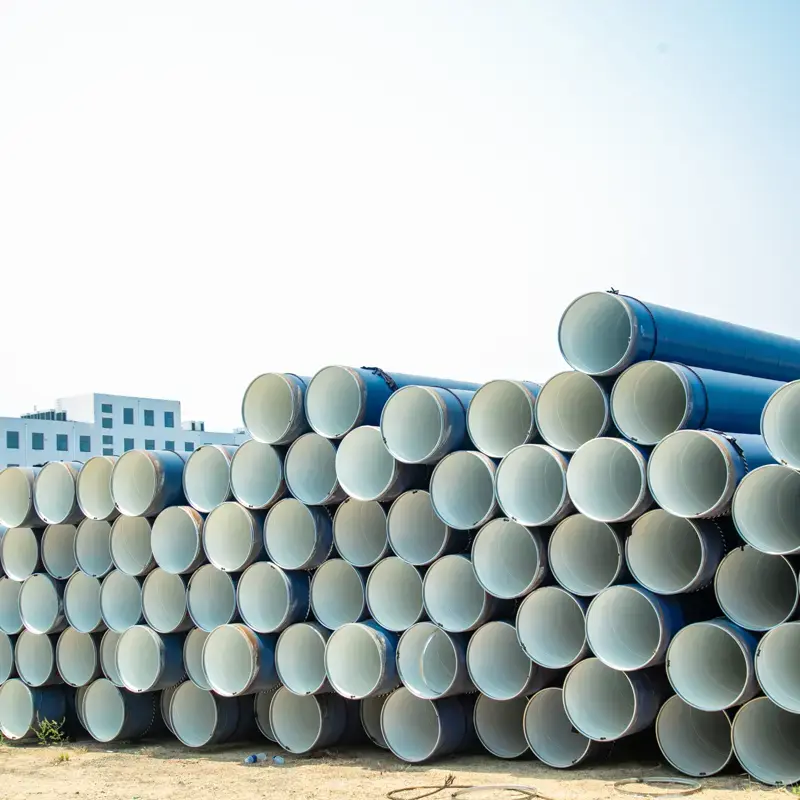
When procurement professionals plan investments in infrastructure, they only think about one thing: how long will this asset work reliably? When combined with the right cathodic protection systems, FBE coated steel pipe usually has a service life of 30 to 50 years under ideal circumstances. This depends on the quality of the material, how it is installed, how it is exposed to the air, and how often it is maintained. By knowing about these factors, project managers can make smart choices that balance the prices of the project at the start with its value over its entire life. This helps with safety, compliance, and keeping operations running smoothly.
Introduction
Industrial pipes move water, oil, gas, and chemicals over long distances and are an important part of infrastructure. The main danger to these systems is still corrosion, which leads to expensive breakdowns, environmental problems, and project delays. Fusion-bonded epoxy covering technology solves this problem by putting up a strong wall between steel surfaces and corrosive environments.
Procurement experts are under more and more pressure to keep project risks to a minimum and budgets in check. Choosing the right protection covering has a direct effect on how often it needs to be maintained and replaced and how much it costs to own the whole thing. In this guide, we look at the things that affect how long epoxy-coated pipes last in real life. We look at how material specs, external factors, and quality standards affect how long something lasts. When buyers know about these factors, they can easily choose goods that meet the needs of the tender and provide reliable long-term performance.
What Is FBE Coated Steel Pipe and Why Is It Used?
The Science Behind Fusion Bonded Epoxy Technology
For fusion-bonded epoxy covering, thermosetting epoxy resin powder is put on steel surfaces that have already been heated, usually to temperatures between 180°C and 250°C (356°F and 482°F). The heat starts a chemical process that cross-links the powder and turns it into a hard, continuous film. In contrast to liquid paints, which release solvents as they dry, this dry application method gets rid of volatile organic compounds (VOCs) and makes sure that the paint is evenly spread. The shield that was made has great adhesion strength, mechanical durability, and chemical protection.
Industrial Applications Driving Demand
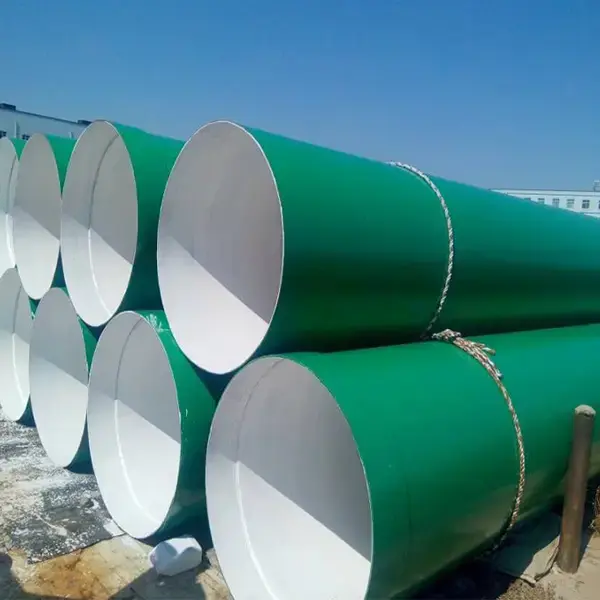
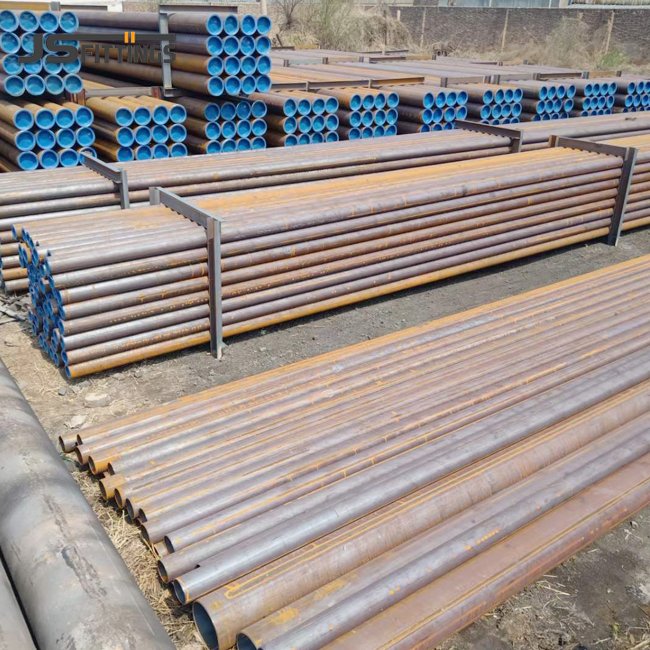
FBE coated steel pipes are used in buried and underwater oil and gas transport networks because they are less likely to rust. To keep the water quality high and stop tuberculation, which raises pumping costs, municipal water systems only use NSF/ANSI 61-certified formulas for potable water service. Offshore sites use two-layer versions with abrasion-resistant topcoats to protect themselves from damage during directional drilling and lay-barge work. Protection against electrochemical breakdown, connection with cathodic protection systems, and resistance to soil stress and bacterial activity are some of the things that all of these different uses have in common.
Cost-Effectiveness Through Extended Service Life
The original cost of protective coatings is a small part of the total cost of the job, but it has a huge impact on the costs of running the business for decades. When pipes, including FBE coated steel pipe, are properly coated, they need less upkeep, don't need emergency fixes, and don't stop production. Industries that work in tough environments, like corrosive marshes or rocky deserts, count on tried-and-true covering technologies to keep their assets safe and in line with regulations. This low cost is why buying teams put coating performance first when they look at supplier offers.
Factors Influencing the Lifespan of FBE Coated Steel Pipes
Coating Quality and Thickness Standards
The quality of the manufacturing process determines how long protective layers last. Minimum thickness limits are set by industry standards such as CAN/CSA Z245.20, ISO 21809-1, and AWWA C213. For single-layer uses, these are usually between 300 and 600 microns. More thickness means more safety, but it has to be weighed against the need for flexibility for field bends. Hot-water immersion tests to see how well they stick together show if they won't come off when they're exposed to water and changes in temperature. Suppliers who use strict quality control methods like holiday detection, cathodic disbondment testing, and differential scanning calorimetry can guarantee that their FBE-coated steel pipes will work as expected in the field.
Environmental Exposure Variables
The type of soil has a big effect on how long a layer lasts. High salt levels, acidic soils, and anaerobic bacteria all speed up the breakdown process. Electrochemical processes on the steel surface are affected by moisture content, and changes in temperature put stress on the layer as it expands and contracts. If you install pipes in mild climates with neutral, well-drained soil, they can last longer than 50 years. On the other hand, sites in harsh settings need extra layers of protection or better coating formulas. When engineers plan a project, they need to do a proper site assessment so they can choose the right protection systems for the situations they expect to be exposed to.
Installation and Handling Best Practices
Even the best finishes won't work if they get broken while being shipped, stored, or put on. Impact damage, abrasion, and moisture contamination can be avoided by following the right handling procedures before application. Preparing the surface by blast cleaning it to at least Sa 2.5 standards and using the right anchor shapes is important for making sure that the coating sticks to the base mechanically. Standardised cut-backs (uncoated pipe ends) are needed for field welding to make it easier to finish the joint without damaging the coating next to it. When moving things, the bending forces that could break thin coverings must be kept to a minimum. By keeping the coating continuous, teaching construction teams these techniques greatly increases the service life of pipelines.
Comparing FBE Coated Steel Pipe With Other Protective Coatings
Single-Layer Epoxy Versus Multi-Layer Systems
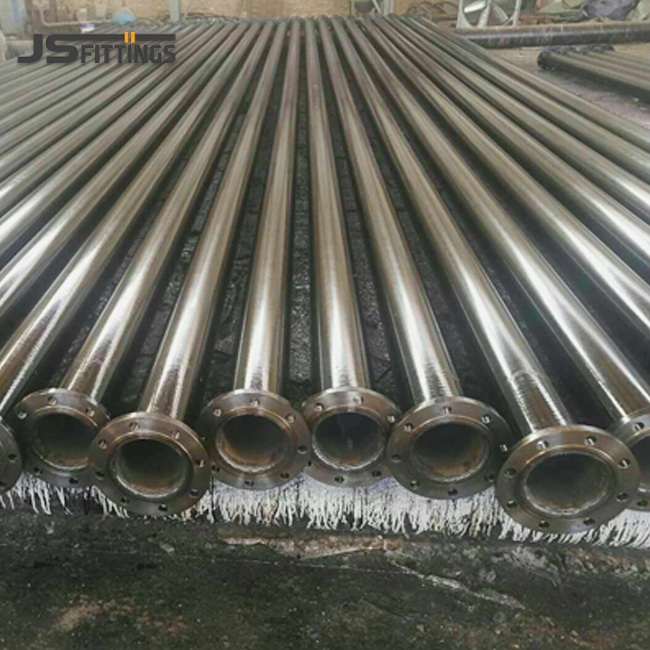
Three-layer polyethylene (3PE) systems defend on multiple levels by using an epoxy primer, an adhesive, and a polyethylene finish. This design, which meets DIN 30670 standards, provides better protection against mechanical impacts and keeps water out. The plastic layer on the outside can handle being scratched during installation, and the epoxy primer does a great job of sticking to steel. While 3PE systems work very well for gas and water mains that are buried, they are more expensive than single-layer systems. A lot of the time, project-specific risk estimates determine what to buy. For example, high-stakes FBE-coated steel pipe should have premium coatings, while less important uses can get by with standard epoxy formulas.
Performance Advantages Over Traditional Methods
Galvanised paints and liquid epoxy paints are older forms of protection that are still used in some situations. Galvanising is a temporary way to protect things, but it breaks down quickly in acidic settings and doesn't last as long as current epoxy systems. Liquid epoxy coats need to be carefully applied to get a regular thickness and full curing, which can cause quality differences.These concerns are completely eliminated by the highly automated, factory-controlled application processes inherent to modern fusion-bonded epoxy technology. Because epoxy coatings do not electrically shield damaged areas, cathodic protection currents can reach exposed steel and stop under-film rust from spreading. This is a major advantage over shielding systems like tape wraps.
Selecting Optimal Protection for Specific Applications
When picking a coating, you need to think about things like working temperatures, chemical conditions, mechanical stress exposure, and your budget. Standard epoxy mixtures work well between -40°C and 80°C, which makes them good for most underground pipeline uses. For moving steam or hot fluids, high glass transition temperature types raise this range above 110°C. For offshore systems, you need two-layer structures with layers that don't wear down easily. For safety reasons, NSF-61 approval is given top priority to municipal water projects. Distributors and EPC workers who work in a variety of industries benefit from sellers who offer wide ranges of coatings. This makes it easier to buy in bulk while still getting the right performance for each application.
Estimated Lifespan of FBE Coated Steel Pipes: Real-World Performance and Standards
Industry Standards Defining Longevity Benchmarks
International standards set performance standards that can be used to predict how long a field will last. ISO certifications make sure that the production process is consistent, and NACE RP0394 guidelines establish application, performance, and quality-control requirements for FBE coatings. DIN guidelines cover both the qualities of the coating and how it should be installed. FBE coated steel pipes that meet these strict standards have minimum service lives of 30 years under normal conditions, and many systems last longer than 50 years if they are properly kept. Instead of just going by what the maker says, procurement teams should use third-party certifications to make sure that suppliers are following the rules. This research lowers the risk of the project and makes sure it fits with the tender requirements.
Case Studies Demonstrating Extended Performance
North American water companies have found that potable water pipelines that were coated in the 1970s are still working properly today. Extreme temperature changes and corrosive soils make oil transportation networks in the Middle East last more than 40 years if they get regular maintenance of their cathodic protection systems. Offshore bases in the North Sea show that two-layer systems can last for decades in tough marine settings. These real-life examples back up what manufacturers say and give infrastructure planners faith when they look at long-term investment results.
Maintenance Practices Maximizing Asset Life
Damage to the coating can be found during regular checks, before corrosion spreads. Every year, cathodic protection tests make sure that the right amount of current gets to the surfaces of the pipelines. Prompt repair of mechanical damage with epoxy repair tools that work with the damaged area prevents localized failures. Soil resistivity testing finds out when the environment is changing in a way that might mean the security system needs to be adjusted. Companies that use full pipeline integrity management programs regularly get service lives at the higher end of what is expected. On the other hand, systems that aren't taken care of fail early, even if they had good coats at the start.
Procurement Considerations When Buying FBE Coated Steel Pipes
Balancing Cost Against Lifecycle Value
The purchase price is only one part of the total cost of ownership. Unit prices are affected by coating thickness, pipe size, and order quantity, but long-term costs are mostly determined by upkeep costs and when to replace the equipment. A premium coating that costs 15% more than normal ones might cut down on upkeep by 40% and add 10 years to the service life, which would save a lot of money in the long run. People who work in procurement should ask suppliers for lifetime cost analyses, which compare the initial investment to planned upkeep and replacement plans for FBE coated steel pipes. This data-driven method helps people make smart decisions that are in line with their organisation's financial goals.
Evaluating Supplier Credentials and Capabilities
International certifications, such as ISO 9001 for quality management, CE marking for European markets, and project-specific approvals from big energy companies, show that a seller is reliable. Experience exporting to tough places shows that you can meet strict requirements. When project deadlines are tight, production capacity is important. Suppliers that ship 90 or more crates per month with more than 95% on-time delivery rates reduce schedule risks. Expert technical assistance during the specification development phase—such as advising on optimal FBE coating thickness for API 5L line pipes—combined with rapid responsiveness (e.g., answering inquiries within an hour) significantly streamlines the entire procurement process.Service after the sale, such as help with installation problems in the field, adds value beyond the supply of the goods.
RFQ Checklist for Quality Assurance
For purchase requests to be effective, they should include:
- Technical Requirements: The coating must be the right thickness according to the standards, be able to withstand a certain temperature, meet approval requirements (NSF-61 for drinkable water), and work with cathodic protection systems.
- Quality Documentation: Third-party test reports for adhesion, cathodic disbondment, holiday-detecting results, and degree-of-cure analysis show that the quality is high.
- Project-Specific Needs: smaller sizes for welding in the field, beveling needs, special packages for export, and shipping times that work with the building stages.
- Compliance Evidence: copies of ISO, CE, GOST-R, or project-specific certifications (Petrobras, NIOC, or ADNOC), along with paperwork showing how materials can be tracked.
Suppliers who can fully address these issues show that they have the advanced manufacturing skills and quality processes needed for important building projects.
Conclusion
The choice of protective layer has a direct effect on how well pipeline equipment works over many years or decades. Fusion bonded epoxy technology has been shown to be resistant to corrosion, last a long time, and work with cathodic protection systems, all of which are important for buried and underwater uses. Service life estimates range from 30 to 50 years, depending on the quality of the covering, how it was installed, how often it is maintained, and how exposed it is to the climate. To keep project risk to a minimum, procurement professionals choose providers with verified certifications and production capacity, make sure goods meet international standards, and do full lifecycle cost analyses. These techniques make sure that investments in infrastructure work well and keep total ownership costs low.
FAQ
1. What coating thickness provides optimal durability?
For single-layer uses, industry standards usually say 300 to 600 microns. More thickness makes it more resistant to rust, but it may make it less flexible for field bends. Coatings that are thicker are often needed for projects that are in highly corrosive settings. Standard formulas work well in mild conditions. Suppliers should test coating thickness across the entire pipe surface with a magnetic thickness gauge to make sure it is correct.
2. Are epoxy-coated pipes suitable for underground potable water systems?
Of course. Food-grade epoxy versions that are NSF-61 certified meet safety standards for drinking water. They provide clean surfaces that prevent tuberculation and reduce friction loss. These coatings guard against corrosion and keep the quality of the water so that infrastructure is reliable in the long run. For water main installations, municipal companies usually ask for this mix.
3. What are typical lead times for bulk orders?
Lead times depend on the number of orders, the finishing requirements, and the production plan. Standard goods usually ship in 4 to 6 weeks, but it could take 8 to 12 weeks for special formulations or big orders. Delays are kept to a minimum by suppliers who keep a large inventory and a high monthly production capacity (800+ tons for pipe parts and 700+ tons for flanges). Schedule problems can be avoided by involving suppliers early on in the planning stages of a project.
Partner with Experienced FBE Coated Steel Pipe Suppliers
Partnering with makers who know how complicated industrial pipeline projects can be is the first step in choosing the right safety system. Every order from JS FITTINGS is made with over 40 years of production experience, strict quality control, and quick customer service. Our factories have ISO 9001 certification, as well as CE and GOST-R certifications and approvals from big oil companies like PETROBRAS, NIOC, and ADNOC. We offer coated pipes that meet the standards of CAN/CSA Z245.20, API 5L, and DIN 30670. These pipelines come with project-ready cut-backs that can be welded right away in the field.
Whether you're looking for materials for oil and gas pipelines, water infrastructure for cities, or works in the ocean, our expert team can help you find the right coating systems for the job while also taking your budget into account. We help with buying processes by making samples, doing small-batch trial orders, and making sure there is enough paperwork for tender compliance. With more than 90 crates shipped every month and an on-time arrival rate of over 95%, we keep schedule risks to a minimum for projects that need to be finished on time. Email our international trade experts at admin@jsfittings.com to discuss the specific requirements of your next project. Receive comprehensive product specifications and highly competitive quotes from a premier manufacturing partner truly dedicated to your long-term operational success.
References
1. American Water Works Association. AWWA C213: Fusion-Bonded Epoxy Coating for the Interior and Exterior of Steel Water Pipelines. Denver: AWWA, 2017.
2. NACE International. RP0394: Application, Performance, and Quality Control of Plant-Applied, Fusion-Bonded Epoxy External Pipe Coating. Houston: NACE, 2013.
3. Canadian Standards Association. CAN/CSA Z245.20: External Fusion Bond Epoxy Coating for Steel Pipe. Toronto: CSA Group, 2018.
4. Deutsches Institut für Normung. DIN 30670: Polyethylene Coatings on Steel Pipes and Fittings. Berlin: DIN, 2012.
5. American Petroleum Institute. API Specification 5L: Specification for Line Pipe. Washington DC: API, 2018.
6. International Organization for Standardization. ISO 21809-1: Petroleum and Natural Gas Industries — External Coatings for Buried or Submerged Pipelines Used in Pipeline Transportation Systems. Geneva: ISO, 2011.
Send Inquiry
_1775029585391.webp "Buttweld Elbow")
Related Industry Knowledge
- All About ASTM A105 weld neck flange
- Benefits of Using A312 stainless steel pipe In Various Industries
- Buttweld Bend Dimensions: LR, SR & Custom Radius Guide
- What Is the Difference Between LR and SR Buttweld Elbow?
- Long Radius Buttweld Elbow: Ultimate Guide 2026
- CRA Clad Line Pipe for Subsea and Offshore Pipelines
- Long Radius Buttweld Elbow For Erosion-Corrosion Environment
- How long does FBE Coated Steel Pipe last?
- ASTM A105 Carbon Steel Forged Steel Flange Specifications
- Industrial Buttweld Reducer Selection for Refinery Projects