
Long Radius Buttweld Elbow For Erosion-Corrosion Environment






2026-06-24 11:16:11
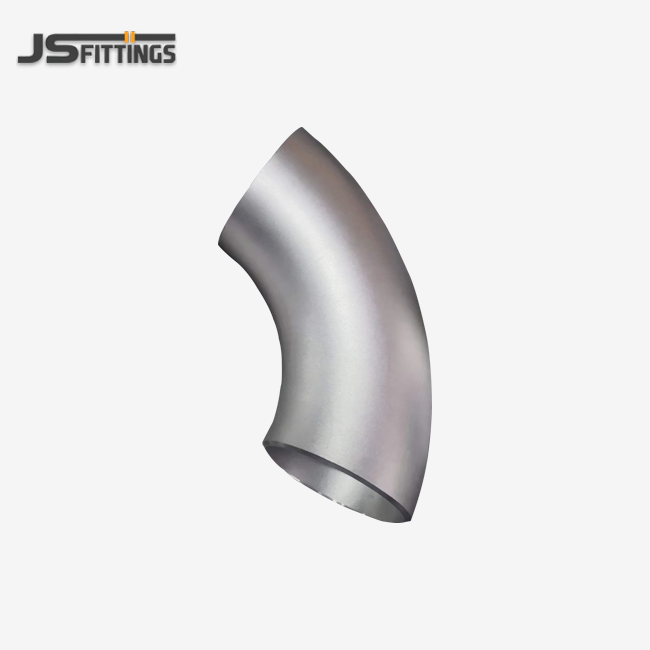
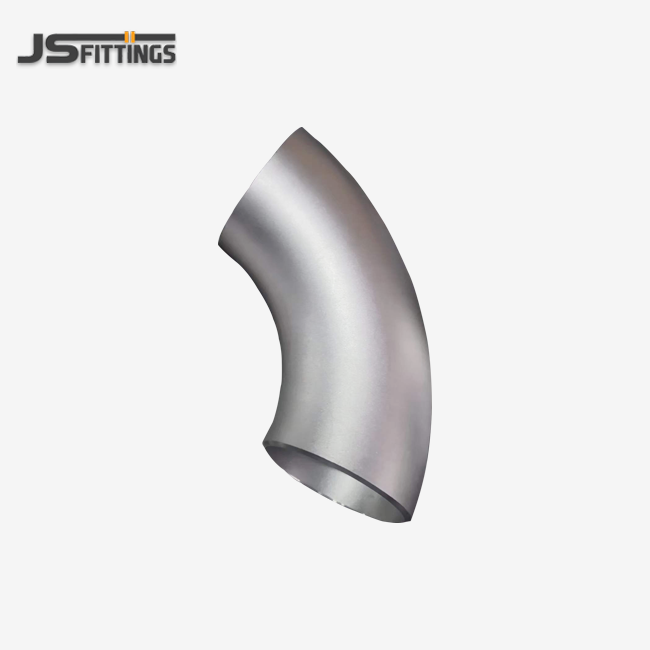
Choosing the right fitting is very important when pipeline systems have to deal with high-velocity fluids, rough particles, and chemically reactive media. A long-radius buttweld elbow has a longer central radius, usually 1.5 times the standard pipe diameter. This makes flow turbulence and erosion much less likely than with short radius options. This design reduces pressure drop and spreads stress more evenly, which increases service life in erosion-corrosion settings where early failure causes costly downtime and safety risks.
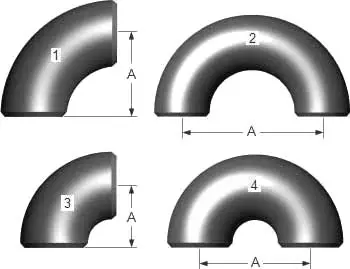
Understanding Long Radius Buttweld Elbows in Erosion-Corrosion Environments
A long-radius buttweld elbow has a special shape that makes a slow change in direction that lets fluid flow easily through the bend. The contact angle between flow streams and internal walls is kept as low as possible with this extended sweep, which has a radius of 1.5D. This shape is very important for systems that deal with slurries, acidic chemicals, or high-speed steam, where erosion-corrosion attacks can quickly break down normal parts.
Design Features That Combat Wear
When compared to short-radius elbows, which have a 1.0D curve, long-radius designs lower localised velocity peaks that speed up the removal of material. The soft arc spreads kinetic energy over a larger surface area, which reduces erosion at the bend's extrados. This is especially helpful when moving fluids that have solids suspended in them, are acidic, or are at high temperatures that make chemical attack stronger.
Material Selection for Corrosive Service
Picking the right material is the first step to dependable performance. Carbon steel grades such as ASTM A234 WPB are suitable for a wide range of general industrial temperatures, which also has cost benefits. Chemical processing uses stainless steels like WP304L and WP316L because they are more resistant to corrosion. Alloy steel types like WP11 and WP22 can handle high temperatures in power plants, while rare materials like Inconel can handle the harshest conditions. Each material strikes a balance between cost, functional strength, and resistance to rust to work best in a certain setting.
Standards and Dimensional Accuracy
Following international standards makes sure that all piping systems work together and are safe. ASME/ANSI B16.9 sets the limits for centre-to-end lengths, consistent wall thickness, and bevel preparation. Precision in making keeps things from getting out of alignment during installation, which could lead to stress concentration points that speed up failure. Correct measurement control also makes it easier for wholesalers to keep track of their stock when they have to keep a lot of different standards on hand to meet the needs of a wide range of customers.
How reliable these parts are in rough conditions rests a lot on how well they were made and how easily the materials can be tracked back to their source. When reviewing suppliers and choosing parts for erosion-corrosion environments, procurement professionals can use this basic information to their advantage.
Comparing Long Radius vs. Short Radius Buttweld Elbows – Making the Right Choice
Choosing between long radius buttweld elbows and short radius setups has an effect on how well the system works, how long it lasts, and how much it costs to own. Sometimes, small short-radius elbows are needed because of limited room, but the working benefits of long-radius designs usually outweigh the need for a bigger footprint.
Flow Dynamics and Pressure Drop
When compared to elbows with short radii, long-radius buttweld elbows typically produce significantly lower pressure drops than short-radius elbows. Since this is the case, the system will use less energy and have lower pumping costs over its lifetime. The softer turn keeps the speed profiles more even, which reduces the turbulence that causes noise, vibration, and mechanical stress on parts nearby.
Stress Distribution and Fatigue Resistance
The longer curve spreads the bending loads more evenly along the fitting wall. When you use elbows with a short radius, the stress is concentrated at the back of the bend, which makes it easier for cracks to start when the load changes. Long radius shapes make service life longer, which is especially important for systems that have to deal with thermal cycles or changes in pressure, which happen a lot in chemical processing and power generation.
Erosion-Corrosion Performance
In rough work, field experience shows that long-radius elbows last a lot longer than short-radius ones. Because the intrados experiences a lower impact angle, corrosion moves more slowly, and the larger surface area spreads out acidic attack. Case studies from slurry transport systems show that when similar working conditions are changed from short- to long-radius designs, the service life can increase significantly under similar operating conditions.
Welding and Joint Integrity
The corrosion resistance at butt-welded joints is directly related to how well the weld is prepared and carried out. When made according to ASME B16.25 standards, the pointed ends of both long- and short-radius elbows make full-entry welds easier. Quality-controlled welding methods, such as the right amount of preheating, temperature control between passes, and heat treatment after the weld (if needed), make sure that the joint strength is the same as or higher than the qualities of the base metal.
Because of these differences in performance, long radius buttweld elbows are the best choice for systems where erosion and rust pose big risks to operations and where there is room to place them.
Procurement Guide: Selecting and Buying Long Radius Buttweld Elbows
To do effective buying, you need to look at more than just the original purchase price. Material suitability, quality assurance, supply chain dependability, and total cost of ownership are all things that are taken into account when making strategic buying choices.
Key Selection Criteria
Material fit is the most important thing to think about. For mild conditions, carbon steel ASTM A234 WPB is a cost-effective choice, while stainless steel WP316L is better for corrosive media. High-temperature uses alloy steel types WP11 and WP22, and low temperature uses ASTM A420 WPL6 steel that stays tough in cold service. The sizes must match up with the pipes that are linked. Sizes range from 1/2" to 24" for seamless construction and up to 72" for welded construction, so they can fit most project needs.
The wall thickness labelled by schedule number (10S, 40, 80, XS, XXS, etc.) must match the system's pressure ratings and corrosion allowances. Standard angle options include 45°, 90°, and 180° configurations, but custom angles can be made for specific uses. Surface treatments like hot-dip galvanising or pickling/passivation protect against corrosion from the air while the fitting is being stored and installed.
Certifications and Quality Documentation
International certifications show that the products are made well and follow the rules. For example, ISO 9001 certification shows that the company manages quality in a planned way, and approvals from PETROBRAS, NIOC, and ADNOC show that the products have worked well in tough energy applications. Each fitting should come with a 3.1 mil test certificate that shows the full chemical composition and mechanical properties of the product and where the raw materials came from.
Supplier Evaluation
Established manufacturers with decades of experience are more likely to provide consistent quality. Production capacity is important—suppliers that handle monthly shipments of more than 50 containers show that they are stable and scalable. On-time delivery rates above 95% and client complaint ratios below 0.5% show that the company is reliable. Robust technical support capabilities—such as expert engineering assistance in material selection, specific fitting optimization, and comprehensive installation guidance—add immense value far beyond the physical product itself.
Pricing and Lead Time Considerations
Pricing is based on the cost of materials, with stainless and alloy steel grades being more expensive than carbon steel. Buying in bulk can save you money, especially for standard specifications. Custom configurations usually have longer lead times, but they can be more useful for certain applications. Experienced suppliers respond to inquiries within hours and keep inventory systems that balance availability with the need for working capital.
Professionals in procurement who regularly look at these factors are able to build reliable supply chains that keep project risks to a minimum and costs under control.
Manufacturing Process and Quality Control for Long Radius Buttweld Elbows
The reliability of a part depends on how well it was made and how long it lasts. Fittings must meet strict erosion-corrosion standards by using advanced manufacturing methods and strict inspection routines.
Raw Material Sourcing and Traceability
Quality starts with high-quality raw materials sourced from tier-1 steel mills such as Baosteel and Tsingshan. Optical emission spectrometry is used to confirm that the alloy content matches the grades that were specified. Heat number markings allow full traceability from the finished product back to the production records and original mill certifications.
Forming and Heat Treatment
Hot-mandrel forming makes the curved shape while keeping the wall thickness constant. This demanding process inherently stretches the outer arc (extrados) and compresses the inner arc (intrados), requiring meticulously controlled parameters to prevent excessive wall thinning at these critical stress zones. For certain size ranges and materials, optimised cold-forming techniques are used in addition to hot forming.
After forming, the metal is subjected to controlled heat treatment to remove any remaining stresses and smooth out the grain structure. Normalising carbon steel fittings makes sure that their mechanical properties are all the same, and solution annealing restores the corrosion resistance of stainless steel grades. Monitoring the temperature and controlling the time at the temperature ensure that the metal is properly conditioned.
Precision Machining and Beveling
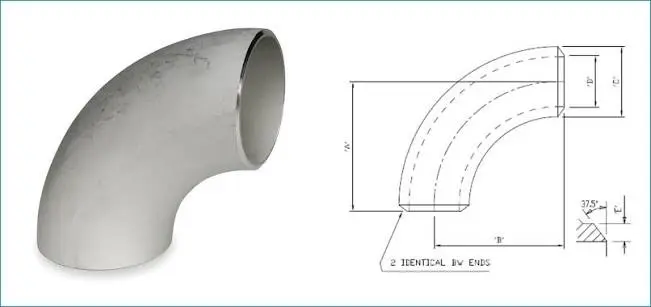
According to ASME B16.25, CNC machining produces consistent bevel angles, which are usually 37.5 degrees for wall thicknesses up to 22 mm. Precise bevels help prepare the weld joint correctly and cut down on the time needed for fabrication on-site. Dimensional verification confirms that centre-to-end measurements, out-of-roundness tolerances, and wall thickness uniformity meet specification limits.
Non-Destructive Testing
Comprehensive NDT protocols find internal and surface flaws that could affect how well the part works. Ultrasonic testing finds laminations, inclusions, and wall-thickness variations. Magnetic particle inspection finds surface cracks and near-surface discontinuities on ferromagnetic materials. Liquid penetrant examination checks stainless and non-ferromagnetic alloys for flaws that break the surface. These quality control measures make sure that only parts that are defect-free get to customers.
Packaging and Logistics
Proper packing keeps finished goods safe while they're being shipped internationally. Seaworthy plywood cases and palletising with heat number markings make it easier for wholesalers to keep track of their inventory. Clear identification makes it easier to check receipts and organise warehouse storage.
When manufacturers do a great job at these stages of production and quality control, they give EPC contractors, wholesalers, and end users the trust they need for important projects involving long-radius buttweld elbows.
Conclusion
When designing a piping system for an erosion-corrosion environment, it's important to choose the right parts and make sure they are well made. For example, long radius buttweld elbows work better than short radius ones because they reduce turbulence, lower pressure drop, and better distribute stress. When choosing materials, it's important to balance corrosion resistance against project costs, and following international standards makes sure that everything works together and is safe. Working with well-known manufacturers who can show consistent quality control, thorough testing, and reliable supply chain performance lowers project risk and total cost of ownership across demanding applications in oil and gas, power generation, chemical processing, and industrial infrastructure.
FAQ
1. What distinguishes a long-radius buttweld elbow from a short-radius design?
A long-radius buttweld elbow has a central radius that is 1.5 times the standard pipe diameter (1.5D). This makes a gradual bend that lowers flow turbulence and pressure drop by 40 to 50 percent. Short-radius elbows have a radius of 1.0D and are mostly used when room is limited, but they lose more pressure and wear down faster.
2. Can these fittings accommodate pipeline inspection tools?
Yes, the 1.5D radius of long-radius buttweld elbows meets the bend radius requirements for most pipeline inspection and cleaning pigs that are used to clean and check pipelines. This design is "piggable", which means that repair workers can get to all parts of complicated pipeline networks without having to block tools.
3. What heat treatment applies to carbon steel elbows?
After being hot formed, ASTM A234 carbon steel parts go through a normalising heat process. This process reduces the stresses that come from shaping and improves the structure of the grains to make them tougher. Heavy-wall elbows may require post-weld heat treatment depending on material grade, thickness, and applicable code requirements after fitting to keep them from cracking and restore mechanical properties.
4. How does wall thickness specification work?
There are standard numbers (10S, 20, 40, STD, 80, XS, 120, 160, and XXS) that tell you the wall thickness for each size of pipe. Manufacturers begin with a bigger "starting pipe" to make sure that the finished elbow stays at least as thick at the key extrados (outer arc) even after being stretched during the forming process.
Partner With JS FITTINGS for Your Long Radius Buttweld Elbow Requirements
JS FITTINGS has been making specialised parts for over 40 years and can help you with your important pipe projects. We have a wide range of long radius buttweld elbows in stock, with seamless sizes from 1/2" to 24" and welded configurations up to 72". These are made to meet ASME/ANSI B16.9, EN 10253, and DIN 2605 standards. Each part comes with 3.1 mill test certificates that show that the material can be tracked back to tier-1 mills. Ultrasonic testing, magnetic particle inspection, and advanced CNC beveling make sure that the product is ready for fitting and will last for a long time. We keep our 95%+ on-time delivery rate and less than 0.5% customer complaints as a certified seller to big energy companies around the world. Get in touch with our expert engineering team at admin@jsfittings.com to discuss your specific erosion-corrosion challenges. Discover why top-tier EPC contractors globally rely on JS FITTINGS as their premier manufacturer for precision-engineered piping solutions.
References
1. ASME B16.9-2018, Factory-Made Wrought Buttwelding Fittings, American Society of Mechanical Engineers, New York.
2. Norsok Standard M-630, Material Data Sheets for Piping, Standards Norway, Rev. 6, 2015.
3. Boyer, H.E., Atlas of Stress-Corrosion and Corrosion Fatigue Curves, ASM International, Materials Park, Ohio, 1985.
4. Mohitpour, M., Golshan, H., Murray, A., Pipeline Design and Construction: A Practical Approach, Third Edition, ASME Press, 2007.
5. Schmitt, G., Mueller, M., Analysis of Corrosion and Erosion-Corrosion Phenomena in Power Plant Piping Systems, VGB PowerTech Journal, Vol. 6, 2009.
6. Turnbull, A., Corrosion Pitting and Environmentally Assisted Small Crack Growth, Proceedings of the Royal Society A: Mathematical, Physical and Engineering Sciences, Vol. 470, 2014.
Send Inquiry
Related Industry Knowledge
- Stainless Steel 316L Buttweld Tee for Offshore Pipelines
- What is the service life of an ASME B16.5 carbon steel flange?
- Carbon Steel Buttweld Reducer Material Standards Explained
- Buttweld Elbow Dimensions Guide for ASTM A234 WPB Fittings
- ASTM A53 ERW vs Seamless Pipe: Strength and Usage Comparison
- Slip-On Flanges: Types, Uses, and Installation Guide
- Why Is a Seamless Buttweld Tee Preferred in Critical Service?
- Lap Joint Pipe Flanges: How and When to Use Them
- How to Choose a Buttweld Tee for High-Pressure Pipelines
- What is a plate flange?