
What is a plate flange?






2026-05-12 15:36:18
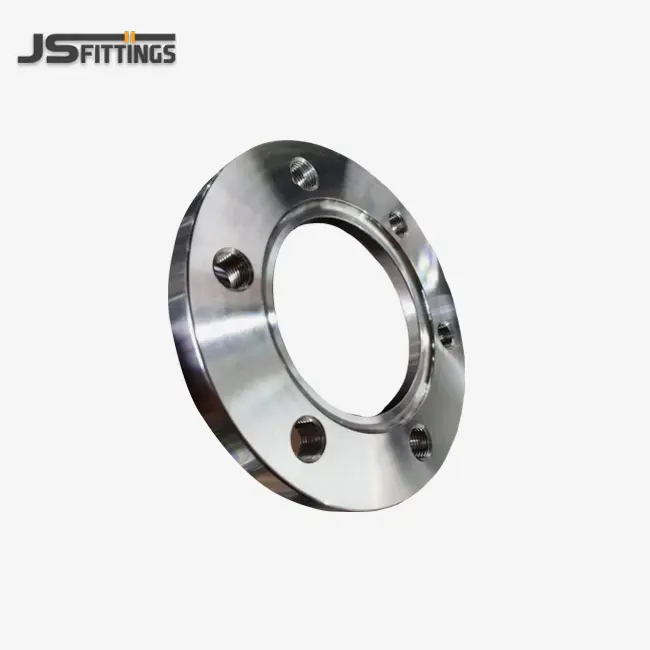
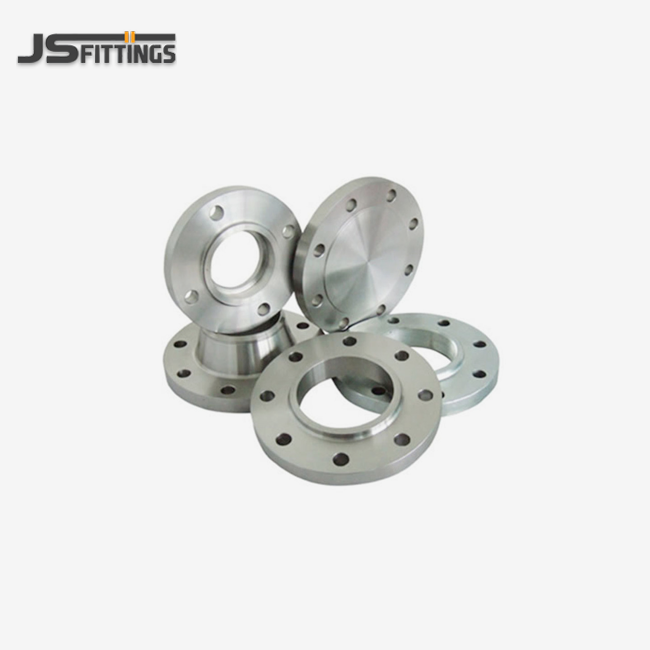
A plate flange is a flat, round disk that is meant to fit over the ends of pipes and hold them together by welding. The low-profile design of this inexpensive part makes it perfect for low-pressure applications in water treatment, irrigation, and industrial cooling systems, compared to hubbed options. The flat design doesn't have the tapered hub that is found in standard flanges. This saves a lot of material and cuts down on manufacturing costs while still providing solid performance in moderate-pressure settings.
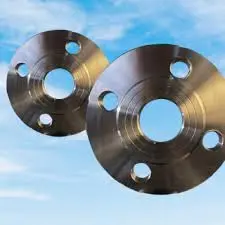
Understanding Plate Flanges: Definition, Types, and Uses
Plate flanges are common components used to connect pipes, valves, and other equipment in piping systems. They are designed to do this very reliably. These flat, disk-shaped fittings are different from regular hubbed flanges because they are easier to install and have a more streamlined design.
Fundamental Structure and Key Features
The basic structure is a flat disk that has been made to exact specifications and has bolt holes positioned according to precise engineering specifications. At JS Fittings, we manufacture these parts using precision machining methods designed to maintain proper surface flatness and parallelism. This keeps gasket stress from being uneven and makes sure that seals don't break while they're in use. One of their main structural benefits is that they don't take up much room because they don't have tapered hubs. This makes them perfect for small pipe layouts where normal weld neck flanges are too big. The slip-over design makes it easier to line up bolt holes with matched flanges before welding, which cuts down on the time needed for fitting on-site by a large amount.
Common Types and Configurations
There are two main types of configurations: flat face and raised face. Each type meets different sealing requirements. For most situations, flat face designs are the best choice. However, raised face designs offer better seals for systems that need to stop leaks more effectively. You can choose from carbon steel for general uses, different types of stainless steel for corrosive areas, and special metals for tough industrial conditions. Hot-dip galvanizing, yellow anti-rust paint, black lacquer, and other treatments are used to provide long-term corrosion protection.
Industrial Applications and Performance Benefits
In city water treatment and distribution systems, where large-diameter water mains and pump stations typically operate at relatively moderate pressures, these parts work very well. In these situations, AWWA standards commonly permit the use of plate-style flanges for low-pressure waterworks applications. This means that the more expensive forged alternatives are not needed. Low-pressure petrochemical utility lines benefit significantly from plate flange systems, particularly for auxiliary lines carrying air, nitrogen, or cooling water. When made from stainless steel 316L, These flanges provide excellent resistance to chemical corrosion and don't need to be rated for high pressure.
Plate Flange Dimensions, Material Types, and Standards
To choose the right flange specs, you need to know a lot about standard sizes and the features of materials that work best in certain situations. This information is very important for procurement pros who are in charge of big business projects.
International Standards and Compliance Requirements
Plate flanges are made and used in accordance with a number of international standards. The European standards are found in EN 1092-1 Type 01, and the German standards are found in DIN 2573, 2576, 2501, and 2502. British Standard BS 4504 and Australian Standard AS 2129 make sure that products can be used in all Commonwealth countries. For American users, ASME B16.5 is commonly used for pipe flanges up to NPS 24, while larger sizes are generally covered by ASME B16.47. In these standards, important size factors are set, such as diameter limits, thickness requirements, bolt hole placement, and face type requirements. Following the right rules makes sure that all global supply lines work together and that safety and performance standards are met.
Pressure Ratings and Size Specifications
There are PN6, PN10, PN16, PN25, and PN40 pressure levels in metric systems, while ASME Class 150 plate flanges are commonly used in imperial systems for low- to moderate-pressure applications. Sizes range from DN15 to DN2000 (½" to 80"), so they can fit everything from small utility lines to big water systems for cities. The wide range of sizes makes them useful in many different industries, from small naval installations to huge building projects. Custom bore sizes can work with pipe outside diameters that aren't standard, which is very helpful for repair work and making custom tanks.
Material Selection and Environmental Considerations
Carbon steel is the usual material for most water and air uses because it works well and doesn't cost too much. Stainless steel grades are better at resisting corrosion in chemical settings, and duplex steel grades are both strong and better at resisting corrosion. The choice of material has a direct effect on how long something works and how much upkeep it needs. Higher types of stainless steel are needed in places with a lot of chloride, but regular carbon steel will work in fresh water as long as it has the right protection coatings.
Comparing Plate Flanges with Other Flange Types for Decision Making
Understanding comparative benefits helps procurement professionals choose the best parts for each application while staying within budget and meeting business needs.
Structural Differences and Performance Characteristics
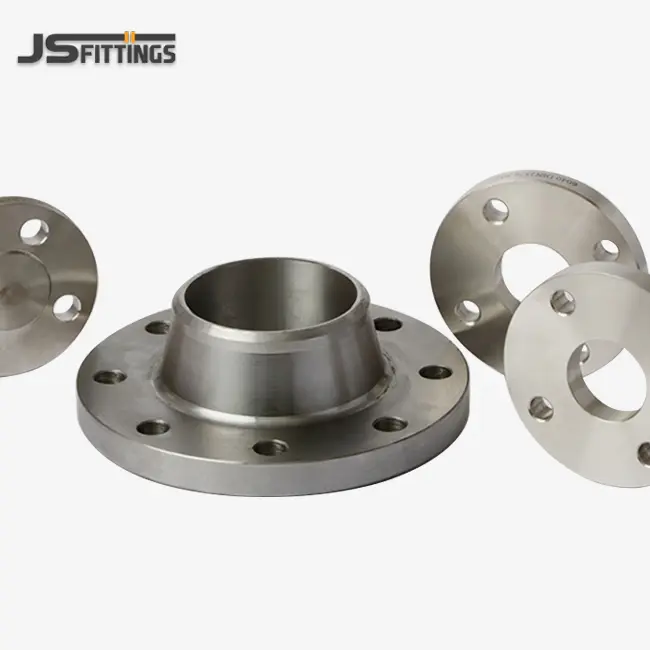
Plate flanges are completely different from weld neck flanges because they don't have hubs. This means that they use less material and weigh less. Weld neck flanges are stronger because they have integrated hub support, but they cost a lot more and take a lot longer to machine. Slip-on flanges with hubs offer a level of strength that is halfway between plate and weld neck designs.Furthermore, the additional hub material not only increases the cost but can also cause clearance issues in extremely tight spaces—scenarios where the sleek, compact design of a hubless plate flange excels.
Cost Analysis and Installation Considerations
When compared to cast hub options, the process of making flat flanges takes a lot less time to machine. This means that large-diameter water and air line uses can save money. When used on low- to medium-pressure systems, double fillet welding can provide adequate strength and sealing performance while remaining cost-effective. Another important benefit is that it is easy to install. The slip-over design makes it easy to rotate the pipe so that the bolt holes line up. This makes fit-up easier in the field, where pipe mismatch is common.
Application-Specific Advantages and Limitations
The low-profile design works well in marine and shipbuilding uses where weight reduction is important because of limited hull room. These applications may use JIS B2220 flange standards, which define dimensions and pressure classifications for steel pipe flanges used in industrial piping systems. One problem is that it may not be suitable for high-temperature steam lines because thermal stresses can reduce performance reliability. Forged options with built-in hub reinforcement are needed for high-pressure uses that go beyond the design ratings.

How to Install and Maintain Plate Flanges to Ensure Durability
Installing and maintaining things the right way has a direct effect on how long parts last, how reliable the system is, and how safe it is to use. Following set processes cuts down on downtime and extends service life.
Pre-Installation Preparation and Alignment
A meticulous pre-installation inspection is essential to verify that the flange faces remain perfectly flat and free of any scoring or damage that could compromise the gasket seal. While JS Fittings' precision manufacturing guarantees strict parallelism out of the factory, careful field handling is required to preserve these critical tolerances.Preparing the end of a pipe means making clean, straight cuts and giving the surface the right finish to ensure proper flange fit-up. For slip-over placement, there needs to be enough space while still staying in line with the axis of the pipe.
Welding Procedures and Quality Control
When you use double fillet welding, you achieve optimal strength and sealing stability. The outer fillet weld secures the flange to the outside of the pipe, and the inner fillet weld keeps water out of the space between the pipe and flange hole. Controlled heat flow keeps things from twisting while welding. Too much heat can bend the sealing faces, which hurts the gasket's performance and creates leak routes. Post-weld flatness testing makes sure that the ability to seal continues.
Maintenance Protocols and Inspection Requirements
Visual checks for corrosion, mechanical damage, and gasket wear should be part of regular checkup plans. Checking the tightness of the bolts stops them from slowly coming loose during operation and when the temperature changes. Maintenance on surface treatments makes things last a lot longer. Changing the coatings on a regular basis keeps them from rusting in the environment, and cathodic protection systems make underground uses even safer.
Procuring Plate Flanges: Best Practices, Suppliers, and Pricing
Cost control, quality assurance, reliable shipping, and long-term ties with suppliers are all important parts of good procurement strategies. Understanding how markets work helps people make the best buying choices.
Supplier Evaluation and Quality Verification
Reliable suppliers maintain a comprehensive range of industry certifications, including ISO quality management systems, Pressure Equipment Directive (PED) compliance, and other sector-specific approvals. JS Fittings has certifications from important energy companies like NIOC, ADNOC, and Petrobras, as well as ISO, CE, and GOST-R. When you evaluate a manufacturing potential, you should look at things like production capacity, quality control systems, and the availability of technical help. Over 700 tons of flanges are made every month, and 95% of them are delivered on time, which shows that the supply chain works well.
Pricing Factors and Market Considerations
Plate flange pricing depends primarily on material specifications, size requirements, order quantity, and shipping schedule. Standard sizes usually have better prices than special designs, and when you commit to buying a lot of them, you can get better rates. The price of materials changes with the global steel market, so having changeable pricing is helpful for big projects with long lead times. Long-term supply deals help you plan your budget and make sure you always buy from the same source.
Custom Solutions and Technical Support
Custom bore cutting can work with pipes that aren't standard sizes, which is very useful for retrofitting and connecting unique equipment. This skill comes in very handy for upkeep jobs and making unique tanks. Technical help during the whole buying process makes sure that the right specifications are chosen and that the product works with the application. Engineering teams with a lot of experience can help you choose the right material, meet the pressure rating standards, and install it correctly.
Conclusion
Plate flanges are the best choice for low-pressure industrial uses because they combine efficiency, cost-effectiveness, and flexibility. Their simplified design gets rid of extraneous parts while still keeping strong sealing and link integrity. With a size range from DN15 to DN2000 and compliance with many international standards, the wide range of sizes ensures that they can be used in a wide range of global projects. Procurement pros can choose the best parts while keeping costs low and safety standards high by knowing the relative benefits, the right way to install them, and the criteria used to judge suppliers.
FAQ
1. What distinguishes a plate flange from other flange types?
The main difference is that it doesn't have a reinforcing hub, so it has a flat, disk-like profile that saves money on materials and mounting room. Plate flanges are a cheaper alternative to slip-on flanges with hubs or weld neck flanges with built-in support for low-pressure situations where high structural strength is not needed.
2. What pressure limitations apply to plate flange applications?
In metric systems, pressure values are usually between PN6 and PN40. In ASME systems, plate flanges are commonly used in Class 150 applications, although higher classes may exist depending on design and manufacturing requirements. For high-pressure systems that go beyond these values, the hubless design isn't as good, so forged options with built-in reinforcement are needed for safe operation.
3. How does installation differ from other flange types?
The flange is put on by sliding it over the end of the pipe and then double fillet welding both the inside and outside sides. This method makes it easier to line up the bolt holes than fixed-position methods, and it still provides enough power for mild pressure uses.
4. What maintenance requirements ensure optimal performance?
Visual checks for corrosion, mechanical damage, and gasket wear should be part of regular checkup plans. Checking the tightness of the bolts stops them from slowly coming loose during operation and when the temperature changes.
Partner with JS FITTINGS for Reliable Plate Flange Solutions
JS FITTINGS stands as your premier manufacturer and trusted supplier of industrial plate flanges, backed by over 40 years of manufacturing excellence and extensive experience serving global markets.Our complete quality control systems, which include ISO, CE, and GOST-R certifications, make sure that every part meets strict international standards. At the same time, we keep our prices low so that you can easily buy what you need.
Our modern production methods allow us to send more than 700 tons of goods every month, with 95% of those deliveries happening on time. This is made possible by solutions that can be tailored to specifications ranging from DN15 to DN2000. Get in touch with our knowledgeable staff at admin@jsfittings.com to talk about your project needs and find out how our technical know-how can improve the performance of your piping system while keeping costs low and making sure it meets all the requirements of tough industrial settings.
References
1. American Society of Mechanical Engineers. "ASME B16.5 Pipe Flanges and Flanged Fittings: NPS 1/2 Through NPS 24 Metric/Inch Standard." ASME International, 2020.
2. European Committee for Standardization. "EN 1092-1 Flanges and their joints - Circular flanges for pipes, valves, fittings and accessories, PN designated - Part 1: Steel flanges." CEN, 2018.
3. Deutsches Institut für Normung. "DIN 2573 Flanges for pipes, valves and fittings - PN 10 to PN 40." Beuth Verlag, 2019.
4. American Water Works Association. "AWWA Manual M11: Steel Pipe - A Guide for Design and Installation." AWWA Press, 2017.
5. British Standards Institution. "BS 4504 Flanges and bolting for pipes, valves and fittings - Metric series." BSI Group, 2016.
6. Japanese Industrial Standards Committee. "JIS B 2220 Steel pipe flanges." Japanese Standards Association, 2018.
Send Inquiry
_1775030564781.webp "Blind Flange")
Related Industry Knowledge
- Custom Heavy Duty Forged Steel Flanges for High-Pressure Systems
- CRA Clad Pipe: Applications, Benefits, and Future Trends
- Differences Between AWWA Flanges and ANSI Pipe Flanges
- What Is the Difference Between LR and SR Buttweld Elbow?
- What Is a Buttweld Bend? Types, Radius & Standards
- ASTM A263/A264 Standard for Corrosion-Resistant CRA Clad Pipe
- What ANSI Pipe Flanges Are Commonly Applied Today?
- Carbon Steel vs Stainless Steel Buttweld Bend: Which to Use?
- What is a threaded flange?
- Do flanges with threaded holes take stud bolts?