
How to Choose a Buttweld Tee for High-Pressure Pipelines






2026-05-25 11:13:18
When choosing a good buttweld tee for high-pressure uses, you should prioritize material integrity, accurate measurements, and compliance with industry standards like ASME B16.9. Choosing the right fitting has a direct effect on the safety of the pipeline, its working life, and the cost of the project. Procurement experts have to look at things like the pressure levels, the type of material (like ASTM A234 WPB or A403 WP316L), the manufacturing method (seamless vs. welded), and the supplier's qualifications, such as ISO and API certifications. Knowing these basics helps you make better decisions, lowers the risk of downtime, and makes sure you follow the rules throughout the pipeline's lifecycle.
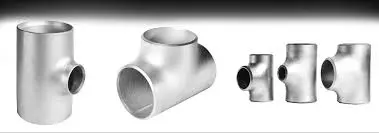
Understanding Buttweld Tees and Their Role in High-Pressure Pipelines
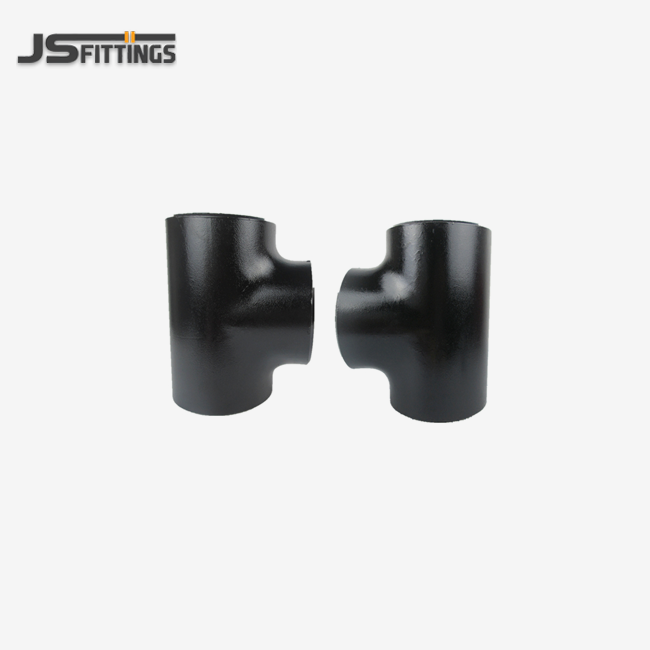
Buttweld tees are very important parts of high-pressure pipe networks because they let you change the direction of the pipes and join three different pipe sections. The beveled ends of the tee join circumferentially to neighboring pipes using a full-penetration welding method. This gives the fittings tensile strength equal to or greater than that of the base pipe material. This design gets rid of common ways that threaded or socket-weld options fail, like vibration-induced loosening or incomplete joint penetration.
Why High-Pressure Systems Demand Butt-Welded Connections
Pipe fittings are put through a lot of mechanical stress, temperature cycles, and possibly corrosive attack in places with high pressures (typically above several hundred psi, depending on design codes). Butt-welded joints keep the metal from breaking, which reduces the number of stress points that could cause cracks to spread during cyclic loads. There is less turbulence and pressure drop because the internal bore shape is smooth. This directly improves flow efficiency and saves energy in large-scale industrial processes.
Material Options for Demanding Applications
Pipeline workers choose carbon steel tees like ASTM A234 WPB for general-purpose systems that don't need to be very resistant to corrosion. Alloy steel types like WP11, WP22, and WP91 can handle temperatures as high as 600°C, which makes them perfect for units that make electricity and refine oil. Different types of stainless steel, like WP304/L and WP316/L, can resist severe chemical corrosion in places like food processing, pharmaceuticals, and underwater. Low-temperature metals, such as ASTM A420 WPL6, can still be bent in cold and arctic environments.
Seamless vs. Welded Construction
Seamless tees come in sizes from 1/2" to 24" (DN15 to DN600) and are made by cold drawing or hot extrusion from pipe or billets. They have a regular grain structure and high-pressure values. For bigger systems, buttweld tees made from rolled plate with widths from 24" to 72" (DN600 to DN1800) are cheaper. Which one to use depends on the project pressure class, the budget, and how important the application is.
Key Criteria for Selecting Buttweld Tees for High-Pressure Pipelines
Matching fitting requirements to system design factors is the first step to successful procurement. Pressure-temperature ratings, material compatibility, dimensional limits, and source quality assurance methods are some of the things that engineers and procurement managers use to narrow down the list of candidates.
Pressure and Temperature Ratings
ASME B16.9 specifies dimensional requirements for tees, while wall thickness is determined by pipe schedules such as SCH 10S to SCH 160 or XXS. Higher allowed pressures are possible with thicker walls, but they cost more and are harder to weld. By comparing the manufacturer's pressure-temperature charts to the actual working conditions, you can avoid dangerously over- or undersizing the product.
Material Selection Strategy
Material selection is based on balancing cost, functional qualities, and resistance to corrosion. High-yield carbon steel types, such as MSS-SP-75 WPHY 60/65/70, offer better strength-to-weight ratios for demanding applications. Chrome-Moly metals resist creep deformation under prolonged high-temperature exposure, which means they don't need to be serviced as often. Even though they cost more up front, corrosion-resistant steel types have lower lifetime costs in chemically aggressive media.
Supplier Certification and Testing
A supplier's dedication to quality is shown by ISO 9001 quality management systems that have been checked, API approvals, and third-party certifications like CE or GOST-R. Non-destructive testing methods, such as radiographic (RT) and liquid penetrant (PT) checks of 100% of large-diameter or high-pressure units, show that there are no internal flaws. Hard-stamped heat numbers, material grades, and size marks make it possible to fully trace the history of a piece of material for audit compliance and guarantee claims.
Comparing Buttweld Tees to Other Tee Types for High-Pressure Applications
By learning about the pros and cons of each buttweld tee connection type, you can choose the best fitting for your pressure class and placement requirements.
Buttweld vs. Socket Weld Tees
Installing socket-weld tees is easier because the pipe can just slide into a deep socket before being fillet-welded. This method works well for smaller sizes and mild pressures, but it creates a crevice where corrosion can initiate. Buttweld joints get full-penetration welds and don't let crevice corrosion happen, so they are the standard for high-pressure, high-consequence pipes.
Buttweld vs. Threaded Tees
Threaded connections make it easy to put things together quickly without using welding tools, which is good for low-pressure systems that don't need much upkeep. But thread roots raise stress, which shortens the fatigue life when shaking and temperature cycles happen. Butt-welded joints are the only way to meet safety standards and long-term reliability goals in high-pressure situations.
Seamless vs. Welded Buttweld Tees
Seamless tees are better for critical pipelines and applications because they have a more uniform microstructure and can withstand higher burst pressures. While welded tees are cheaper for large sizes, they need to be carefully inspected at the weld seam to make sure they are built correctly. When projects are trying to find the best balance between cost and performance, they often choose welded fittings for big trunk lines and seamless fittings for smaller, important branches.
Practical Installation and Inspection Guidelines for Buttweld Tees
Correct installation methods and thorough testing procedures improve fitting performance and avoid expensive repairs or service failures.
End Preparation and Alignment
As required by ASME B16.25, precise beveling keeps the shape of the weld joint constant. CNC beveling tools make 37.5° bevels that are always the same and have smooth surfaces. This makes it easier to join evenly and lowers the number of defects. Misalignment greater than 1/16" can cause bending stresses, so during tack welding, using alignment clamps and fit-up gauges keeps the pieces in the same place.
Welding Procedures and Heat Input Control
Welding Procedure Specifications (WPS) list the warmup temperatures, interpass temperatures, and post-weld heat treatment requirements for qualified welding methods. Too much heat during welding can make the grain structure coarser, which lowers the hardness, while not enough heat can lead to lack of fusion. Using qualified welders and thermocouples to keep an eye on the heat input guarantees consistent join quality.
Non-Destructive Examination Protocols
Surface flaws can be seen with the naked eye, but internal defects can be seen with ultrasonic testing (UT) and radiographic testing (RT). Visual inspections can miss surface-breaking defects detectable by liquid penetrant testing (PT). Keeping track of inspection results with date-stamped records and flaw maps helps with warranty claims if things break down too soon.
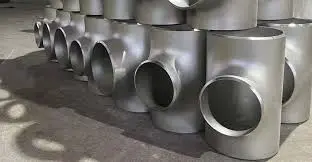
Procurement Strategies for Buttweld Tees: Sourcing, Buying, and Managing Supply
To lower the overall project risk, strategic sourcing finds the best mix between cost, quality, delivery reliability, and expert help from suppliers.
Evaluating Supplier Capabilities
Suppliers that can make more than 800 tons of goods every month and close to 30,000 tons every year show that they can handle big projects. Verified approvals from national oil companies like NIOC, ADNOC, and Petrobras show that the product has worked well in tough situations before. Customization options from DN15 to DN2000 can meet the needs of a wide range of projects without affecting lead times.
Cost Analysis and Bulk Purchasing
How much a unit costs is based on its material grade, wall thickness, manufacturing method, and output rate. Because they are harder to make, seamless tees cost more, but welded ones are cheaper when you buy a lot of them. When you negotiate yearly supply deals with volume commitments, you can get better prices and faster scheduling during times of high demand.
After-Sales Support and Warranty
JS FITTINGS is a good example of these best practices for purchasing. The building where we work has been making things since 1983 and has ISO, CE, GOST-R, PETROBRAS, NIOC, and ADNOC approvals. Following the guidelines set by ASME B16.9, EN 10253-2, and DIN 2615, we make equal and reducing tees in both seamless (1/2" to 24") and welded (24" to 72") styles. We have high-yield carbon steel ASTM A234 WPB, low-temperature A420 WPL6, corrosion-resistant stainless steel A403 WP304/L and WP316/L, and Chrome-Moly alloys WP11, WP22, and WP91 in stock. Our design for the optimal crotch thickness goes beyond the safety requirements set by ASME B16.9. Full heat treatment processes and CNC beveling make installation go smoothly. Tough NDT protocols—100% RT and PT for important uses—ensure that there are no internal flaws. For full tracking, each part has a heat number and a material grade hard-stamped on it. Every month, 800 tons of pipe fittings are made to support more than 90 container exports, and they are delivered on time 95% of the time and bought back 98% of the time as a trusted buttweld tee manufacturer.
Conclusion
To pick the best butt-weld tee for high-pressure pipes, you need to carefully look at the properties of the material, the quality of the making, the pressure ratings, and the qualifications of the seller. Depending on the size, pressure class, and price, seamless and welded choices each have their own benefits. Long-term system stability is protected by strict installation methods and thorough inspection procedures. Project risk and total cost of ownership are kept to a minimum by using good buying strategies that focus on certified suppliers, clear pricing, dependable transportation, and strong after-sales support. Procurement pros make sure that pipeline systems are safe, efficient, and follow the rules by matching fitting specifications with operating needs and working with experienced manufacturers.
FAQ
1. What material grade is optimal for corrosive, high-pressure environments?
Metals made of alloys and stainless steels, like ASTM A403 WP316L, are stronger and less likely to rust. Chrome-Moly grades like WP22 work well in high-temperature situations, while A420 WPL6 stays tough in frigid temperatures. Which material to use varies depending on the chemical agents, temperature ranges, and pressure needs.
2. How can I verify product quality before shipment?
Asking for mill test reports, heat treatment certificates, and NDT paperwork proves that the product meets the requirements of ASME B16.9 and the material's specs. Third-party checks and factory reports give customers even more peace of mind. Hard-stamped marks from suppliers that allow for 100% tracking allow for strict quality checks.
3. What factors affect lead times for custom orders?
Delivery times are affected by the number of orders, the supply of materials, the difficulty of the manufacturing process, and the supplier's production capacity. It takes longer to get seamless fittings made of special alloys than it does to get normal welded carbon steel tees. Delays can be avoided by setting clear requirements early on and staying in touch with providers.
Partner with JS FITTINGS for Reliable Buttweld Tee Solutions
Precision-engineered buttweld tee fittings from JS FITTINGS can help you with your high-pressure pipeline projects. They are backed by 43 years of manufacturing excellence. Our wide range of products, in carbon, alloy, and stainless steel, from DN15 to DN2000, meets ASME, DIN, and GOST standards. We provide the quality guarantee that big energy projects need with certificates from NIOC, ADNOC, and Petrobras. Email our knowledgeable staff at admin@jsfittings.com to talk about your needs, get full product catalogs, or get a competitive price. We are a reliable buttweld tee maker, and we can keep your projects on track and on budget by providing unique solutions, quick turnaround, and full lifecycle support.
References
1. American Society of Mechanical Engineers. (2020). ASME B16.9: Factory-Made Wrought Buttwelding Fittings. New York: ASME Press.
2. ASTM International. (2019). ASTM A234/A234M: Standard Specification for Piping Fittings of Wrought Carbon Steel and Alloy Steel for Moderate and High Temperature Service. West Conshohocken: ASTM International.
3. European Committee for Standardization. (2018). EN 10253-2: Butt-welding Pipe Fittings – Part 2: Non-alloy and Ferritic Alloy Steels with Specific Inspection Requirements. Brussels: CEN.
4. Smith, J.R. & Thompson, L.M. (2021). Pipeline Integrity Management: Best Practices for High-Pressure Systems. Houston: Gulf Publishing Company.
5. National Association of Corrosion Engineers. (2020). Material Selection and Corrosion Control for Oil and Gas Production Facilities. Houston: NACE International.
6. Welding Research Council. (2019). Guidelines for the Welding of High-Pressure Piping Systems in Petrochemical Plants. New York: Welding Research Council.
Send Inquiry
Related Industry Knowledge
- ASTM A105 Weld Neck Flange: Complete Guide
- ASME B16.9 Buttweld Reducer Dimensions and Weight Guide
- CRA Clad Line Pipe for Subsea and Offshore Pipelines
- How long does FBE Coated Steel Pipe last?
- Buttweld Bend vs Elbow: Key Differences Explained
- Seamless vs Welded Buttweld Tee: Which Performs Better?
- Does ASME require hydrotesting for a blind flange?
- What is carbon steel pipe used for?
- What is rtj blind flange?
- How to weld carbon steel pipe?