
The Role of Carbon Steel Seamless Pipes in the Oil and Gas Industry






2026-09-10 17:04:56
When you walk through an offshore platform or stand beside a refinery, you're surrounded by miles of invisible infrastructure—pipes that transport crude oil, natural gas, and refined products under immense pressure and extreme temperatures. At the heart of this infrastructure lies industrial carbon steel pipe, specifically seamless variants, which serve as the circulatory system of the global oil and gas sector. These Industry Carbon steel pipe products deliver unmatched strength, reliability, and cost-effectiveness, making them indispensable for upstream exploration, midstream transportation, and downstream refining operations. Their seamless construction eliminates weak points, reducing the risk of catastrophic failures in environments where safety and performance cannot be compromised.
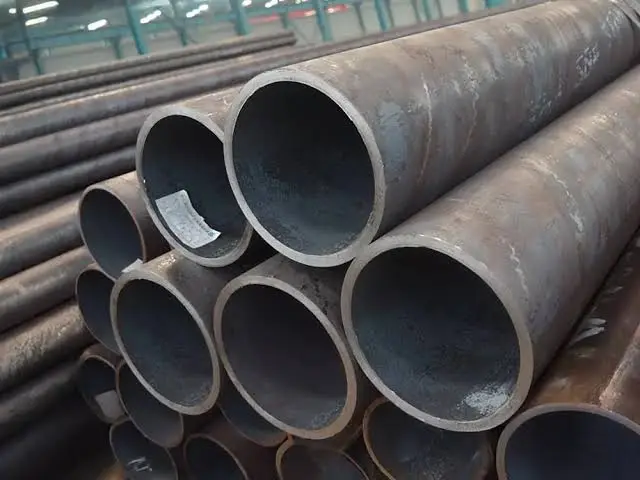
Understanding Carbon Steel Seamless Pipes in Oil and Gas Applications
Manufacturing Process: Seamless vs. Welded Construction
The main difference between seamless and welded pipes is how they are manufactured. The hot extrusion or rotating piercing methods make seamless pipes. A solid steel billet is heated to about 2,370°F (1,300°C); then it is pierced and rolled into a hollow tube that doesn't have any lengthwise seams.This manufacturing process yields a uniform microstructure that distributes stress evenly across the pipe wall.This gets rid of the weakness that comes with welded seams.
When flat steel plates or strips are formed into a cylindrical shape and the edges are joined with electric resistance welding (ERW) or submerged arc welding (SAW), you get welded pipes. Despite significant advancements in welding technology, the weld zone remains a potential vulnerability when subjected to cyclic loading, thermal cycling, and corrosive environments.Seamless pipes can offer advantages in certain high-pressure applications because they do not have a longitudinal weld seam that requires inspection and qualification.
Key Material Properties for Harsh Environments
Industrial carbon steel pipe used in oil and gas must be able to handle high and low temperatures, as well as surroundings that are toxic. The carbon content is usually between 0.10% and 0.30%, which is the best range for strength and weldability. Manganese (0.30% to 1.20%) improves the material's toughness and tensile strength, and silicon (up to 0.35%) contributes to deoxidation and can influence the strength and processing characteristics of the steel.
As a standard for high-temperature service, ASTM A106 Grade B seamless pipes must have a minimum tensile strength of 60,000 PSI and a yield strength of 35,000 PSI. When used at temperatures up to 750°F (400°C), the applicable allowable stress and pressure rating must be determined according to the relevant design code and service conditions. This makes them perfect for steam injection systems in enhanced oil recovery and high-pressure gas transmission lines. Not having a weld line also makes it more resistant to wear, which is very important in situations where pressure and temperature change quickly.
Common ASTM/API Grades and Size Specifications
Procurement teams must be familiar with specific standard grades that are made for specific oil and gas uses:
- API 5L Grade X65 is a high-strength pipeline steel that has a minimum yield strength of 65,000 PSI. It is often used for long-distance transmission pipelines where lowering the wall thickness can save money on materials while still maintaining safety margins.
- ASTM A106 Grade B is the standard for high-temperature piping systems in power plants, refineries, and petrochemical plants where steam and hydrocarbon fluids work at temperatures above 400°F.
- ASTM A333 Grade 6 meets the needs of low-temperature service, with impact testing specified at -50°F (-45°C), which is important for Arctic applications and other sub-zero services.
For seamless carbon steel pipes, the standard pipe sizes can range from 1/2 inch to 48 inches, and the wall thickness is based on the ASME B36.10M schedules (SCH 40, SCH 80, SCH 160, and XXS). Large-diameter seamless steel pipe over 16 inches is available for selected offshore and high-pressure applications, although welded pipe is also widely used for large-diameter subsea pipelines. The lack of a longitudinal weld eliminates weld-seam inspection requirements and can provide consistent pipe-wall integrity, while external hydrostatic-pressure resistance still depends on diameter, wall thickness, material properties, and design conditions.
Why Carbon Steel Seamless Pipes Are Preferred in Oil and Gas over Other Pipe Types?
Comparative Analysis: Seamless vs. Welded Steel Pipes
Often, the choice between seamless and soldered construction depends on the criticality of the application. When there is a lot of pressure, like in wellhead connections, blowout preventer stacks, and gathering lines, where failure could have severe consequences, ASTM A106 Grade B seamless carbon steel pipe works best. The even grain structure gets rid of the heat-affected zone (HAZ) that is common in welded pipes. HAZs can become places where hydrogen causes cracks to form in bad service conditions with H₂S.
Seamless pipes generally cost more than ERW welded pipes of comparable size and grade, although the price difference varies with specifications, quantities, and market conditions. However, this difference in up-front cost is balanced out by fewer inspections, lower failure rates, and longer service life. Over the course of long-term offshore operation, appropriate pipe selection, inspection, corrosion control, and maintenance can help reduce the risk of unexpected shutdowns .
Carbon Steel vs. Stainless Steel: Performance Trade-Offs
Stainless steel lines are more corrosion-resistant because they contain more than 10.5% chromium, which forms a passive oxide layer that keeps oxidation at bay. But stainless steel is about three to five times more expensive than carbon steel, which means ASTM A106 Grade B seamless carbon steel pipe can be a more cost-effective choice for large pipeline networks that extend for hundreds of miles.
Instead of alloying elements, protective coatings and cathodic protection systems are used on carbon steel pipes to stop corrosion. Coatings on the outside of underground pipes, like Fusion Bonded Epoxy (FBE), 3-Layer Polyethylene (3LPE), or Coal Tar Enamel, protect them well from soil wetness and chemical attack. Corrosion inhibitors or internal coatings injected into the fluid stream stop internal corrosion. This allows for service lives of over 30 years at a fraction of the cost of alternatives made of stainless steel.
Alloy Steel for Extreme Conditions: When to Upgrade
When operating conditions exceed the capabilities of standard carbon steel, alloy steel pipes with chromium, molybdenum, and vanadium are used. High-pressure, high-temperature (HPHT) wells that produce fluids above 15,000 PSI and 350°F need alloy steel grades such as ASTM A335 P11 or P22, which provide improved high-temperature strength and creep resistance under long-term thermal stress.
A careful cost-benefit study is needed to decide on alloy steel. Even though alloy steel pipes can be 50% to 100% more expensive than carbon steel pipes, they keep expensive failures from happening in serious situations where downtime costs millions of dollars in lost production. To find the cheapest material that meets safety and performance standards, engineering teams have to look at operating factors such as pressure cycles, fluid makeup, and ambient temperature.
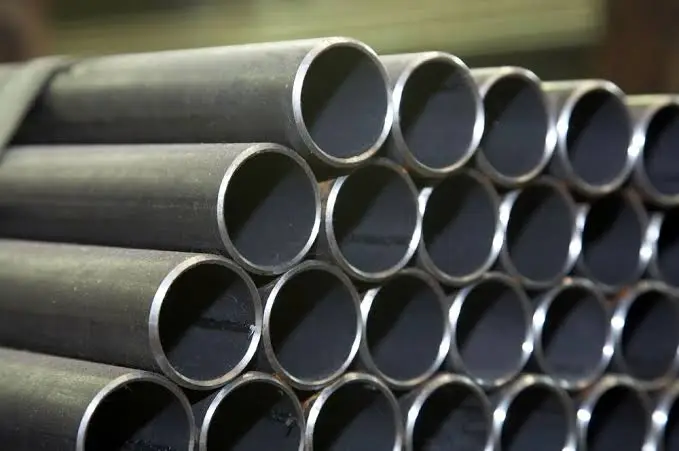
Procurement Considerations for Carbon Steel Seamless Pipes in the Oil and Gas Sector
Evaluating Grades, Sizes, and Certification Requirements
For procurement to go well, the grades of materials must be clearly defined and in line with the needs of the project. Line pipe used in transportation systems is governed by API 5L guidelines. Product Specification Levels (PSL1 and PSL2) set higher and higher quality standards. PSL2 pipes go through extra tests, such as the Charpy V-notch impact test, to make sure they are tough at low temperatures. This is important for projects that will be done in cold places or that will be carrying chilled natural gas.
Mill Test Certificates (MTCs) that are in line with EN 10204 Type 3.1 show the chemical composition of each heat and what its mechanical qualities are. Full material traceability is made possible by these certificates, which are a must for projects that are regulated by groups like the U.S. PHMSA, the Pipeline and Hazardous Materials Safety Administration of the U.S. Department of Transportation.
Compliance with the dimensional requirements of ASME B36.10M for large diameter seamless steel pipeshould be verified by qualified inspectors. Wall-thickness deficiencies exceeding applicable manufacturing tolerances can severely degrade pressure ratings and precipitate premature failure. Ultrasonic thickness gauges and laser measurement tools should be required by procurement contracts to make sure that measurements are correct before the goods are shipped.
Identifying Trustworthy Manufacturers and Suppliers
Checking a supplier's manufacturing skills, quality management systems, and industry certifications is all part of the qualification process. Manufacturers with a good reputation maintain ISO 9001 certification, which shows that they follow written processes for controlling production, inspecting it, and taking corrective actions. More proof of technical know-how comes from certifications like API Q1 (for API-licensed manufacturers) and NACE MR0175/ISO 15156 compliance for applicable sour service applications.
With over 40 years of manufacturing excellence, JS FITTINGS exemplifies the caliber of supplier that procurement professionals require. Because we source from qualified steel mills such as Baosteel and Tsingshan, we can be sure that all of our production lots will have the same chemical makeup and mechanical qualities. Each pipe and fitting comes with a 3.1 Mill Test Certificate that shows its full chemistry and mechanical history. This helps with project quality assurance and meeting government standards.
Our advanced Non-Destructive Testing (NDT) tools, such as Ultrasonic Testing (UT) and Magnetic Particle Inspection (MPI), can find internal defects and surface cracks that can't be seen with the naked eye. We are a qualified supplier to major energy companies like the National Iranian Oil Company (NIOC), Abu Dhabi National Oil Company (ADNOC), and Petrobras because of our multi-layered quality control process. Their strict vendor qualification processes confirm that our manufacturing standards are high.
Pricing Strategies and Bulk Purchase Considerations
Given the inherent volatility of steel prices, procurement teams must employ strategic sourcing methodologies. The cost of raw materials, the price of energy, and changes in global demand all affect the price of carbon steel pipes. Setting up long-term framework deals with makers can help keep prices stable and ensure there is enough production capacity during times of high demand.
When you buy a lot of standard sizes, you can save money, but you have to weigh that against the cost of keeping inventory and the chance that the specs will change. Keeping strategic stocks of common sizes (4-inch to 12-inch in SCH 40 and SCH 80) is helpful for projects with regular demand patterns. On the other hand, large-diameter and speciality grades are usually bought for each project individually to keep working capital needs to a minimum.
Logistics of transportation have a big effect on total landing costs, especially for seamless steel pipes with a diameter of more than 24 inches. For smaller pipe sizes, container shipping is the most cost-effective way to move them. For larger lengths, however, break-bulk shipping or specialised pipe hauliers may be needed. JS FITTINGS consistently sends more than 90 containers every month. They do this by using their established relationships with freight forwarders to find the most efficient shipping routes and cut down on transit times, which helps them achieve on-time delivery rates of over 95%.
Conclusion
Carbon steel seamless pipes are the backbone of the oil and gas business, and industry carbon steel pipe products have been used for decades in the toughest situations and have always worked well. Their seamless construction eliminates longitudinal weld seams that could otherwise require additional inspection and qualification, so they are stronger, more reliable, and less likely to wear out under high-temperature and high-pressure conditions. While different types of steel, like stainless steel and alloy steel, have their own benefits, carbon steel pipes are the best choice for most upstream, middle, and downstream uses because they offer the best mix of mechanical performance and economic value. Strategic buying practices, such as carefully choosing the grade, vetting the seller, and doing a lifetime cost analysis, help project teams get the most out of their assets while still meeting strict safety and legal requirements. New manufacturing methods and sustainability efforts are continuing to make these important parts work better and reduce their environmental impact. This will make them important in the changing energy scene.
FAQ
1. What is the primary advantage of seamless over welded carbon steel pipes in oil and gas applications?
When seamless pipes are used, there is no lengthwise weld joint, which can be a weak spot when pressure is applied and removed over and over again. The even grain structure spreads stress evenly along the pipe wall, making it more resistant to fatigue and lowering the number of failures that happen in high-pressure service. This building benefit is especially useful in important places where failure would yield catastrophic consequences, such as in wellhead connections, high-pressure gathering lines, and refinery process pipes.
2. How do I verify the quality of carbon steel seamless pipes before shipment?
Ask for full Mill Test Certificates (MTCs) that follow EN 10204 Type 3.1 and list the chemical makeup and mechanical properties of each output heat. Ask for a third-party review that includes checking the dimensions, non-destructive testing (NDT) like ultrasonic thickness measuring and X-ray examination, and hydrostatic pressure testing in accordance with the applicable product standard and project requirements. These inspection and documentation practices are common among reputable suppliers such as JS FITTINGS, and they are backed by ISO 9001 quality management systems and can be traced back to qualified steel mill sources.
3. What coating systems provide the best corrosion protection for buried pipelines?
Three-Layer Polythene (3LPE) coating systems protect underground carbon steel lines very well. They have a Fusion Bonded Epoxy (FBE) primer that sticks and doesn't react with chemicals, a copolymer adhesive layer, and a high-density polythene top layer that protects against mechanical damage. In areas with corrosive soil, 3LPE-coated pipes can provide long service lives when properly applied, inspected, maintained, and paired with an appropriately designed cathodic protection system. Selection relies on working temperature, soil chemistry, and mechanical loads during installation.
Partner With JS FITTINGS for Reliable Carbon Steel Pipe Solutions
Supply chain managers and engineering teams looking for a reliable supplier of industrial carbon steel pipes will find that JS FITTINGS meets the needs of difficult oil and gas projects by providing quality assurance, technical knowledge, and a reliable supply chain. Our 43 years of manufacturing experience, along with ISO 9001, CE, GOST-R, and energy sector certifications from NIOC, ADNOC, and Petrobras, show that we are dedicated to meeting the highest standards in the world.
We offer Industry Carbon steel pipe in seamless designs, along with ASME B16.9 butt-welded fittings such as elbows, tees, reducers, and caps. We offer seamless pipes made to ASTM A106 and API 5L standards, as well as ASME B16.9 butt-welded fittings made to applicable ASTM specifications such as A234. The sizes range from DN15 to DN2000. Our precise CNC bevelling, which is in line with ASME B16.25, makes field welding faster and more reliable. This saves your contractors time and money on labour costs during installation. We can handle more than 30,000 tonnes of cargo every year, ship more than 90 containers every month, and have a repurchase rate of over 98%. This gives you the supply stability and responsive service you need to keep your projects on track.
Email our skilled foreign trade team at admin@jsfittings.com to talk about your unique needs, get technical information, or set up a sample evaluation.
References
1. American Society of Mechanical Engineers. (2020). ASME B36.10M: Welded and Seamless Wrought Steel Pipe. ASME Standards.
2. American Petroleum Institute. (2018). API Specification 5L: Specification for Line Pipe (46th ed.). API Publishing Services.
3. Offshore Technology Conference. (2019). "Integrity Management of Offshore Piping Systems: Comparative Analysis of Seamless and Welded Construction. "OTC Proceedings, Paper OTC-29542-MS.
4. NACE International. (2021). "Corrosion Control in Oil and Gas Pipelines: Case Studies and Best Practices. " CORROSION 2021 Conference Papers.
5. McKinsey & Company. (2022). "Digital Twins in Oil and Gas: Unlocking Value Through Predictive Asset Management." McKinsey Energy Insights.
6. World Steel Association. (2023). Steel's Contribution to a Low Carbon Future and Climate Resilient Societies (Position Paper).
Send Inquiry
You may like
Related Industry Knowledge
- Hot Induction vs Cold Buttweld Bend for Pipeline Projects
- Blind Carbon Steel Forged Steel Flange for Pipeline Isolation
- LSAW carbon steel pipe: Low vs. Medium Carbon Steel Selection Guide
- ASTM A263/A264 Standard for Corrosion-Resistant Alloy Clad Pipes
- Buttweld Reducer Pressure Ratings for Critical Service Lines
- Key Considerations With ANSI Pipe Flanges
- Buttweld Bend vs Elbow: Key Differences Explained
- ASME B16.9 Buttweld Tee Dimensions and Weight Guide
- Does ASME require hydrotesting for a blind flange?
- Do flanges with threaded holes take stud bolts?