
ASTM A263/A264 Standard for Corrosion-Resistant Alloy Clad Pipes






2026-08-05 10:28:50
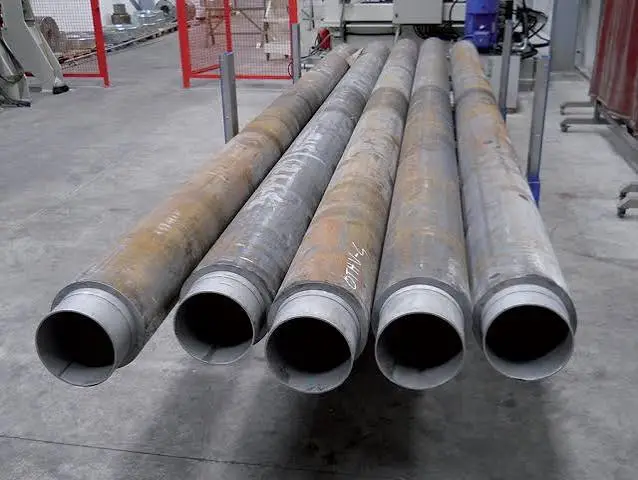
When industrial projects demand pipes that can withstand both extreme corrosion and mechanical stress without breaking budgets, understanding the right standards becomes mission-critical. ASTM A263 and A264 standards define the specifications for stainless chromium steel-clad plate, steel-clad plate, and strip used in manufacturing corrosion-resistant alloy (CRA) clad pipes. These composite structures merge a carbon steel base—delivering structural strength and pressure containment—with an internal CRA-clad and lined pipe layer that resists chemical attack. This combination addresses a persistent challenge: achieving long-term corrosion protection without the prohibitive cost of solid alloy construction. For procurement managers juggling tight project timelines and budget constraints, these standards provide a roadmap to verify material integrity, ensure regulatory compliance, and minimize lifecycle risks across demanding applications.
Understanding ASTM A263/A264 Standards for CRA Clad Pipes
ASTM A263 covers stainless chromium steel-clad plate, sheet, and strip, while ASTM A264 covers stainless chromium-nickel steel-clad plate, sheet, and strip. Both standards set strict rules for the make-up of materials, the strength of their bonds, and their mechanical qualities to make sure they work well in corrosive settings. Following these rules will make sure that the metallurgical bond between the carbon steel backing and the corrosion-resistant layer meets minimum shear strength thresholds, which are usually higher than 140 MPa. This will keep the layers from coming apart when the installation is bent or heated and cooled.
Material Composition and Alloy Selection
The backing material in ASTM-compliant clad pipes is usually high-yield carbon steel grades like API 5L X42 through X70. The grades are chosen based on the practical loads and pressure needs. Austenitic stainless steels (316L, 304L), duplex stainless steel (2205), or nickel-based alloys (Inconel 625, Incoloy 825) are used for the internal corrosion-resistant layer. Each alloy has its own benefits. For example, 316L is very resistant to corrosion in chloride environments, duplex grades are stronger and less likely to crack from stress corrosion, and nickel alloys can handle high temperatures and conditions that are very acidic and contain hydrogen sulphide.
Compliance and Risk Mitigation
Adhering to ASTM A263/A264 standards mitigates procurement risks by ensuring that components can be traced through mill test certificates, confirmed chemical composition, and documented mechanical testing. This compliance framework is in line with foreign safety standards like API 5LD and DNV-OS-F101. This makes it easier for government infrastructure projects and big EPC contracts to get approved and completed. Engineers can be sure that the pipes they choose will last as long as they were supposed to, with as little unplanned repair and costly downtime as possible.
Performance Benchmarks for Industrial Applications
These guidelines call for strict testing methods, such as tensile testing, bend testing, and ultrasonic testing, to look for any signs of not fusing in CRA-clad and lined pipe. These kinds of quality guarantees are especially useful for underwater pipeline systems, chemical processing units, and offshore platforms, where failure could cause damage to the environment and cost a lot of money. The written proof of compliance can be used for safety checks and regulatory reports.
Differences Between CRA Clad Pipes and CRA Lined Pipes
Knowing the difference between clad and lined designs has a direct effect on purchasing choices, which have effects on both the initial cost of the purchase and the ongoing costs of running the business. Both technologies offer corrosion protection through composite building, but they have very different ways of bonding, performance traits, and uses.
Structural and Manufacturing Differences
There is a mechanical connection between the carbon steel base and the CRA layer in clad pipes. This can be done by explosive bonding, hot roll bonding, or weld overlay. This fusion makes a lasting link at the atomic level that can handle a lot of mechanical stress, like reeling during offshore installation. On the other hand, lined pipes use a mechanical link where a corrosion-resistant sleeve is pushed into a carbon steel host pipe either electrically or mechanically. This method can save you money in some situations, but the pipe can't handle complex bends or changes in high pressure because of the mechanical interface.
Corrosion Resistance and Durability Comparison
It is better for clad pipes to work in harsh settings with changing temperatures, high-pressure cycles, and mechanical loads. The metallurgical bond makes sure that the protective layer stays in place even when the pipe is field-bent during installation, which is common in both onshore and offshore pipeline projects. Lined pipes work well in safe, low-stress situations like water injection systems or light chemical transport, where saving money is more important than making sure the pipes are strong.
Procurement and Lifecycle Cost Considerations
The initial cost of lined pipes is usually 15–25% less than that of clad pipes. This makes them a good choice for projects on a budget where the operating conditions will be stable. Lifecycle studies, on the other hand, often show that clad pipes are more cost-effective in tough situations. The stronger bond lowers the chance of a failure of the corrosion-resistant layer, which cuts down on expensive fixes, production stops, and safety issues. Instead of just looking at the purchase price, procurement teams should look at the total cost of ownership, which includes how hard it is to install, how long the product is expected to last, and how often it needs to be maintained.
Distributors and trade businesses can meet a wide range of customer needs by keeping both versions in stock. This enables them to optimize procurement budgets and build client trust by providing material recommendations based on actual service environments.
Manufacturing Process of CRA Clad Pipes per ASTM A263/A264
The process of making ASTM-compliant clad pipes includes complex bonding methods and strict quality checks that have a direct effect on how reliable the product is and how well it meets compliance requirements.
Hot Roll Bonding
In hot-rolled bonding, layers of carbon steel and a corrosion-resistant metal are heated to temperatures above 1100°C and then put under a lot of pressure in rolling mills. The process creates a diffusion bond at the atomic level, which gives big parts of the material a uniform thickness and high shear strength. The method works well for big production runs and gives uniform quality for standard pipe sizes. This means that it can be used for large infrastructure projects that need hundreds of tonnes of material.
Explosion Bonding
Explosion bonding uses a controlled explosion to accelerate the CRA plate onto the carbon steel backing at very high speeds for CRA-clad or lined steel pipe. This makes a wavy surface that fits together better mechanically. This cold-working method doesn't have to worry about heat-affected zones, and it can be used with different metals that wouldn't work together using thermal bonding methods. This method is particularly advantageous for offshore oil and gas applications, where clad pipe sections must withstand reeling stresses during subsea installation without compromising bond integrity.
Weld Overlay and PTA Welding
Weld overlay uses automatic welding to add a corrosion-resistant overlay layer to the inside surface. This layer is built up over several passes. Plasma Transfer Arc (PTA) welding gives you better control over dilution rates, which is the process of mixing the base metal into the overlay. This makes sure that the final CRA layer keeps its corrosion resistance properties. This method allows for repairs and customizations to be made in the field, but the process needs to be carefully managed to avoid dilution of the iron to a point where it loses its chemical resistance.
Inspection Protocols and Quality Assurance
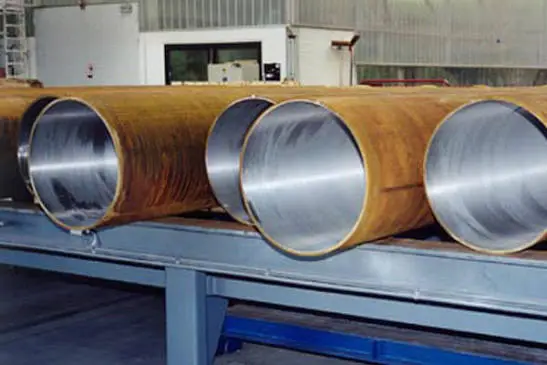
To follow ASTM A263/A264 when manufacturing, there must be thorough checking systems. Ultrasound testing looks at all of a joined surface's edges to find delamination, lack of fusion, or inclusions that might affect performance. Testing the shear strength of a bond by taking damaging samples confirms that the quality meets the basic requirements. Positive Material Identification (PMI) verifies that the chemical composition shows that the CRA layer keeps the right amount of alloy content without the backing steel diluting it too much. Dimensional tests check the differences in wall thickness and CRA layer thickness to make sure that the design standards are met when the product is made.
Our JS FITTINGS quality control system includes optical emission spectrometers and advanced flaw detection tools. It supports ISO, CE, and GOST-R certifications and meets the qualification standards for major energy companies like NIOC, ADNOC, and Petrobras.
Procurement Guide for CRA Clad Pipes Under ASTM A263/A264
To successfully buy corrosion-resistant clad pipes, you need to evaluate suppliers based on more than just price per unit. These factors should include reliability, technical ability, and help after delivery.
Supplier Qualification Criteria
Give more weight to manufacturers who can show they have real-world experience with ASTM A263/A264 compliance through project references and third-party certifications. Check to see if their quality management systems include ultrasonic testing, PMI equipment, and mechanical testing facilities that can check for shear strength and impact toughness. As required by API 5LD, suppliers should give full traceability documentation, such as mill test certificates, heat numbers, and inspection reports. JS FITTINGS brings over 40 years of manufacturing expertise and features a comprehensive testing facility to make sure that every shipment meets the project's standards.
Pricing Structures and Lead Times
Clad pipe prices vary a lot depending on the type of backing steel, the choice of CRA material, the manufacturing process, and the size of the order. A carbon steel base with 316L cladding usually costs 30 to 50 percent less than solid alloy equivalents. On the other hand, exotic alloys like Inconel 625 cost more because they are made from more expensive materials. Most of the time, the minimum order quantity is between 20 and 50 tonnes. However, known sellers are willing to accept smaller test orders for new partnerships. Standard wait times are between 6 and 10 weeks for common specs and between 12 and 16 weeks for unique sizes or alloys that aren't commonly used. With a monthly output of 800 tonnes of pipe fittings and an annual capacity of over 30,000 tonnes, JS FITTINGS can meet both urgent project requirements and planned project schedules.
Warranty Terms and Technical Support
Check if the guarantee covers issues with the way the product was made, the strength of the bond, and the material's suitability for the job for set amounts of time. Responsive technical support is crucial for EPC contractors and field teams planning installations, executing on-site modifications, and troubleshooting issues. Suppliers who offer engineering advice, suggestions for welding procedures, and help with paperwork for regulatory submissions add value to the project and lower its risks. Our experienced foreign trade team responds to all inquiries within one hour and provides full after-sales service, which has helped us keep customer complaint rates below 0.5% and a customer retention rate of over 98%.
Conclusion
The ASTM A263/A264 standards set the technical guidelines for corrosion-resistant alloy-clad pipes that balance performance, compliance, and cost-effectiveness in a wide range of demanding industrial settings. Knowing the differences between clad and lined designs, spotting signs of poor manufacturing quality, and using well-informed buying criteria help people make choices about pipe solutions that lower project risks and increase lifecycle value. These standards require strict inspection procedures, metallurgical bonding methods, and material traceability. These requirements lead to operational reliability that protects against costly failures, regulatory non-compliance, and safety incidents. By increasing safety, extending service life, and lowering maintenance costs, strategic placement in oil and gas, chemical processing, and cryogenic uses shows real returns.
FAQ
1. What distinguishes ASTM A263 from A264 standards?
ASTM A263 describes the requirements for stainless chromium steel-clad plate (mainly ferritic grades), and A264 describes the requirements for stainless chromium-nickel steel-clad plate (mainly austenitic grades like 304L and 316L). Both standards ensure the quality of the metallurgical bond and describe the mechanical properties, but they cover different alloy systems.
2. How can buyers make sure that suppliers follow ASTM guidelines?
Ask for certified mill test reports that show the chemical make-up, mechanical properties, and bond shear strength tests. Make sure the seller has the right ISO certifications and can show records of ultrasonic tests that demonstrate 100% inspection coverage. Before a package leaves, compliance can be checked by third-party inspection agents.
3. Do clad pipes offer advantages over solid stainless steel pipes?
When compared to solid alloy construction, clad pipes use 30–50% less material and still have the same level of corrosion resistance where it matters most: on the inside surface that is exposed to the process fluid. The carbon steel backing is stronger and better at pressure containment than thick-walled stainless steel options, but it costs significantly less while maintaining comparable structural performance.
Partner with JS FITTINGS for Superior CRA Clad and Lined Pipe Solutions
Over the past 40 years, JS FITTINGS has been making high-quality products for the global market. They offer corrosion-resistant clad pipes that meet ASTM standards and are designed for the harshest industrial conditions. We keep strict quality standards and have ISO, CE, and GOST-R certifications to prove it. We are a qualified CRA-clad and lined pipe supplier for major energy companies like NIOC, ADNOC, and Petrobras. Our full range of products includes sizes from DN15 to DN2000, and we can meet specific needs. Every month, we ship more than 90 containers, and more than 95% of those are delivered on time. Get in touch with our technical team at admin@jsfittings.com to talk about your project needs and find out how our knowledge, low prices, and quick service can improve the stability of your supply chain.
References
1. American Society for Testing and Materials. (2021). ASTM A263/A263M Standard Specification for Stainless Chromium Steel-Clad Plate, Sheet, and Strip. ASTM International.
2. American Society for Testing and Materials. (2021). ASTM A264/A264M Standard Specification for Stainless Chromium-Nickel Steel-Clad Plate, Sheet, and Strip. ASTM International.
3. American Petroleum Institute. (2020). API Specification 5LD: Specification for CRA Clad or Lined Steel Pipe. Fourth Edition.
4. Det Norske Veritas. (2019). DNV-OS-F101: Submarine Pipeline Systems. DNV GL Standards.
5. National Association of Corrosion Engineers. (2018). Corrosion Control in the Oil and Gas Industry: Clad and Lined Pipe Applications. NACE International.
6. American Society for Testing and Materials. (2019). ASTM A333/A333M Standard Specification for Seamless and Welded Steel Pipe for Low-Temperature Service. ASTM International.
Send Inquiry
You may like
Related Industry Knowledge
- ASTM A105 Carbon Steel WN Flanges for the Oil and Gas Industry
- How Does a Buttweld Tee Improve Flow Distribution Systems?
- Metallurgically Bonded CRA Clad Pipe vs Mechanically Lined Pipe
- LSAW Pipe vs SSAW Pipe: Which is Better for Your Project?
- Advantages of Using ASME B16.5 Flanges in Construction and Infrastructure Projects
- Buttweld Tee vs Socket Weld Tee for High-Pressure Piping
- ANSI Pipe Flanges Dimensions and Selection Guide for 2026
- What ANSI Pipe Flanges Are Commonly Applied Today?
- Carbon Steel Forged Steel Flange Supply: China Factory Wholesale
- What is rtj blind flange?