
Buttweld Reducer Pressure Ratings for Critical Service Lines






2026-07-21 11:31:30
Selecting the right pipe fitting for critical service lines can make or break your project's safety record and operational efficiency. When dealing with high-pressure environments—whether in oil refineries, chemical processing plants, or power generation facilities—understanding pressure ratings for pipe reducers becomes non-negotiable. A buttweld reducer serves as the transition point between pipes of different diameters, and its ability to withstand operational pressures directly impacts system integrity, compliance, and long-term performance. Choosing components that meet stringent pressure requirements protects your investment, minimizes downtime, and ensures worker safety in demanding industrial applications.
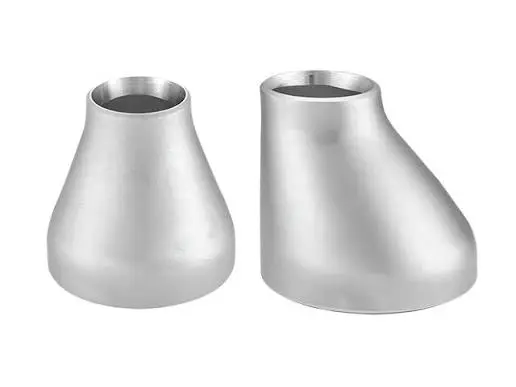
Understanding Buttweld Reducers and Their Pressure Ratings
Learn about buttweld reducers and how much pressure they can handle.
Pipeline systems don't usually have the same diameter all the way along their length. For changes in flow rates, equipment connections, and system optimization, diameter changes are needed that keep the structure's integrity and control fluid flow. This is where pipe reducers become very important parts of industrial pipe networks.
What Defines a Buttweld Reducer and Its Configurations?
Through circumferential butt-welding, a reducer fitting joins two lines with different specified bore sizes. This makes a stable joint that doesn't leak. Instead of threaded or socket-weld connections, butt-welded connections get rid of possible leak paths and create a continuous metal structure that can handle cyclic stress. There are two main types of setups. Concentric reducers line up the centerlines of the inlet and exit, which makes them good for vertical runs and situations where even flow distribution is important. Eccentric reducers move the centerlines away from each other, making one flat side that is necessary for horizontal pump suction lines where keeping air pockets from forming is very important. The eccentric design keeps air from getting stuck in the pipe, which protects pump impellers from damage caused by cavitation. On the other hand, the concentric configuration helps keep high-velocity systems quiet.
Material Selection and Pressure Rating Correlation
How much pressure a reducer can safely handle is directly related to the material it is made of. Carbon steel reducers made to ASTM A234 WPB standards can provide reliable pressure performance when selected with appropriate wall thickness, temperature ratings, and design requirements; they are very strong and provide good mechanical durability. However, they are prone to corrosion, so they need protective coatings in some places. As long as they meet the requirements of ASTM A403, ASTM A403 WP304, WP316, and WP321 stainless steel fittings offer excellent corrosion resistance, while pressure capability depends on the selected thickness, temperature, and design conditions. Alloy steel reducers made from ASTM A234 WP11, WP22, or WP91 materials work very well in high-temperature environments with a lot of cyclic thermal stress, like supercritical power plant steam systems operating at very high pressures and temperatures. To get baseline pressure ratings that take into account temperature effects, corrosion allowances, and safety factors, each grade of material is put through a lot of chemical and mechanical testing. When procurement professionals weigh the pros and cons of cost vs. performance for certain service conditions, the connection between material properties and pressure grades becomes very important.
Manufacturing Standards That Govern Pressure Integrity
Industry standards set the minimum and maximum sizes, requirements for materials, and testing methods that all makers must follow to make sure that their products perform the same way under pressure. In North American markets, ASME B16.9 is the main standard for wrought butt-welding fittings. It specifies dimensions, tolerances, and marking requirements, while pressure capability depends on material grade, wall thickness, temperature, and applicable design codes. In Europe, EN 10253 and DIN 2616 are used, and MSS-SP-75 covers high-test wrought butt-welding fittings with enhanced mechanical requirements for demanding pipeline applications. At key stress locations, these standards say what the minimum wall thickness should be. This is especially true at the small end of reducers, where the forming process can cause the wall to thin too much. Ultrasonic wall-thickness checking is used by quality makers at both the large and small ends to make sure they meet ASME tolerances, even in areas exposed to the highest stress during operation. The quality of the welding is very important for keeping the pressure integrity because the heat-affected zone around the circular weld can change the metal in ways that lower its resistance to fatigue. Normalizing or quenching and tempering are two types of proper heat treatment that ease industrial stresses and return material qualities that support published pressure ratings for butt-weld reducers.
Critical Service Line Challenges and Pressure Rating Requirements
High-pressure service lines have special problems that need parts that are made to work in harsh circumstances. Failure in these settings doesn't just mean slower production; it can also lead to disasters that put people's safety and environmental compliance at risk.
Common High-Pressure Failure Modes
Pressure-sensitive systems have a number of ways that they can fail, and the right choice of components must take these into account. Stress corrosion cracking happens when tensile stress meets corrosive conditions, mostly in chloride-containing environments that affect austenitic stainless steels. It's important to choose materials that can handle both mechanical stress and chemical exposure. Corrosion causes walls to thin over time, which lowers their ability to hold pressure. This makes choosing the right wall thickness at the start and making corrosion allowance important design factors. Leaks in welded joints are usually caused by insufficient penetration, porosity, or slag inclusions that make leak tracks when the pressure changes. Because of these types of failure, strict material certifications, dimensional inspections, and nondestructive testing must be done before installation for critical services.
Industry Standards Guiding Pressure Requirements
The ASME B31.3 Process Piping Code sets the maximum pressure and temperature that industrial piping systems can be. It does this by including safety factors that take into account changes in material properties, pressure surges, and thermal expansion. The code says that the pressure values of parts must be higher than the design conditions by certain amounts. This is to make sure that there are enough safety gaps. ASME B31.1 Power Piping has specific standards for power generation uses that take into account the unique needs of steam systems. The European Union's Pressure Equipment Directive (PED) 2014/68/EU controls the markets there. It sorts equipment by pressure and volume to set the rules for conformity assessment. These codes are not merely recommendations; they establish legal mandates that procurement choices must meet to maintain operational permits and insurance coverage.
Material Comparison for Critical Environments
Carbon steel reducers work best in non-corrosive places that need the most pressure protection and mechanical power. Because they have a higher yield strength, they can hold thinner walls for the same pressure levels. This lowers the cost of materials and the weight of the system. In slightly acidic environments, protecting against corrosion with an epoxy finish, black lacquer, or hot-dip galvanizing can make something last longer. Stainless steel alternatives don't need to be coated because they are naturally resistant to corrosion. This means they can be used in places with corrosive process fluids or high-purity standards where the application of protective coatings would be impractical or risk contamination. The decision between carbon and stainless steel balances initial cost against lifecycle expenses, considering factors like inspection frequency, coating maintenance, and expected service life. Alloy steel types with chromium and molybdenum have the best of both worlds for high-temperature applications. They are resistant to corrosion and have creep strength that keeps pressure integrity at temperatures above 450°C, where carbon steel loses its mechanical qualities.
Installation Best Practices for Pressure Integrity
Even parts that are properly sized can fail if the way they are installed affects their ability to hold pressure. Reliable manufacturers understand that welding procedures must strictly follow qualified Welding Procedure Specifications (WPS), which spell out things like the temperature for preheating, the temperature between passes, and the heat treatment needs after the welding. These factors decide how fast the metal cools and how much stress is left in the weld after it's been put under pressure. The preparation of the bevel has a big effect on the quality of the weld. Precision-machined bevels that are free of burrs and slag ensure proper fit-up and full penetration, which cuts down on onsite welding time while making the joint more reliable. Alignment tolerances are important; misalignment causes eccentric loading, which concentrates stress and speeds up the start of fatigue cracks. Cleaning the joint to get rid of oil, grease, and mill scale that can cause holes or partial fusion is part of the right way to prepare the joint. Before the joint is pressurized, it is inspected after the welding process using radiographic testing (RT) or ultrasonic testing (UT) to make sure it meets the acceptance criteria. This way, problems are found early on, when fixing them is cheaper than failing.
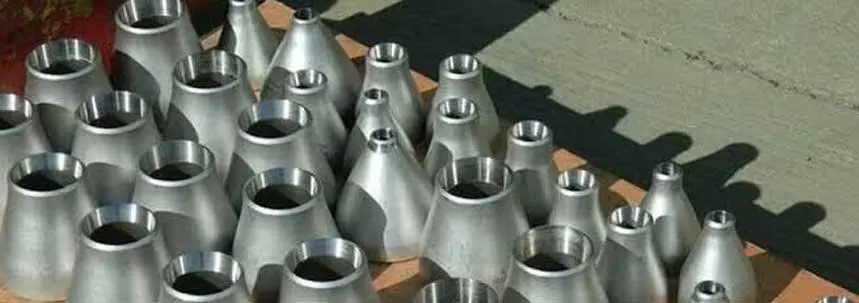
Comparing Different Types of Buttweld Reducers for Pressure-Sensitive Applications
To choose the right parts for pressure-critical applications, you need to know how the different types of buttweld reducers handle practical loads. If you make the wrong choice, it could lead to excessive stress or maintenance problems that make the system less reliable.
Concentric vs. Eccentric Configurations Under Pressure
Concentric reducers keep the centerlines of the pipe ends aligned and spread the pressure loads evenly around the circle. This shape works well for vertical pipes because gravity-driven flow doesn't cause fluid to build up in one place over another. Because the smooth shift to a cone shape reduces noise and pressure drop, concentric forms are best for gas services and vertical liquid lines. Eccentric reducers move the centerlines away from each other to make one flat side. This changes how they handle both flow and pressure in a basic way. The flat-side-up design stops air pockets from forming in horizontal pump suction lines. This gets rid of vapor lock situations that lead to cavitation and changes in pressure. Putting the flat side down makes it easier for all the water to drain away, which stops fluid from pooling and slows down rusting over time. Because of their shape, eccentric reducers mainly influence flow behavior and drainage characteristics rather than significantly changing the internal pressure rating. However, these stress concentrations can be handled by choosing the right material and wall thickness.
Buttweld Versus Threaded Connections in High-Pressure Contexts
When the pressure inside a system goes up, threaded reducers become less useful because they become harder to install and take off. Thread roots make stress-gathering points where fatigue cracks start when the pressure changes. Thread engagement depth limits wall thickness, which means it can't hold as much pressure as butt-welded alternatives of the same size. Along thread surfaces, there are possible leak tracks that need sealants that might break down in hard chemical or temperature conditions. Butt-welded links get rid of these worries by making a metal structure that is one piece and doesn't have any mechanical parts. Properly qualified butt welds can provide better fatigue performance than threaded connections in many cyclic-service applications. It can handle higher stresses and last longer when loaded and unloaded many times. Buttweld connections are better for fixed setups that don't need to be taken apart because they don't need to be inspected and tightened as often as threaded joints do.
Custom-Fabricated Versus Stock Components
Standard catalog items made to ASME B16.9 measurements work well in most situations and are available right away at a low price because of economies of scale in making. Stock reducers in popular sizes and materials can be sent out within days, which helps with tight project plans. When a project calls for unusual size combinations, specialized materials, thicker walls, or non-standard end preparations, standard reducers can't meet the needs. Instead, custom-fabricated reducers must be used. Custom items have longer lead times because the Buttweld pipe reducer factory makes them based on specific orders instead of stock. Depending on the supply of materials and production capacity, this can take up to several weeks. The extra cost of custom manufacturing comes from engineering time, setting up tools, and making fewer items. However, this investment pays off when standard parts don't have the best pressure values for the job. When you work with makers who can make custom solutions, you can find a way to balance pressure needs, room limitations, and cost goals that off-the-shelf parts can't.
Conclusion
For vital service uses that use pressure ratings for reducers, it is important to pay close attention to the material choice, production standards, and installation methods. Concentric and eccentric setups each do different things. Eccentric designs keep air from getting trapped, while concentric designs make the flow more even. You can choose from carbon steel, stainless steel, and alloy types that balance how well they work at high temperatures and low pressures and prevent corrosion. Quality is checked by careful visual inspection, X-ray testing, and ultrasonic methods, and regular maintenance programs keep the pressure integrity throughout the service life. For successful procurement, you need to work with certified suppliers who can provide you with the right certifications, clear information about lead times, and engineering support that helps you choose the best parts for your specific operating conditions.
FAQ
1. What pressure ratings are typically available for buttweld reducers?
Pressure capability varies according to material grade, wall thickness schedule, temperature, and applicable piping design code. Unlike socket-weld or threaded fittings, butt-weld reducers do not have fixed pressure ratings. Instead, they are rated according to the pressure-temperature design of the connected piping system, determined by material properties, wall thickness schedule (e.g., SCH 40, SCH 80, SCH 160), and applicable piping codes like ASME B31.3. Higher pressures can be handled by walls that are thicker. The actual ratings are also affected by the temperature of the service; as the temperature rises, the allowable stress drops, which lowers the pressure capacity.
2. How do I verify that a reducer meets required pressure specifications?
Material test certificates show the chemical make-up and mechanical properties of a base material, proving that it meets the requirements of the specification. Dimensional inspection records check the wall thickness and make sure they meet ASME standards. Results from nondestructive tests, like X-rays or ultrasounds, show that internal integrity is acceptable and there are no flaws that could affect the pressure stability. All of these documents together verify compliance.
3. Can eccentric reducers handle the same pressure as concentric types?
When made with the same material grade and wall thickness schedule, both configurations can reach the same pressure ratings. The eccentric shape makes the force distribution a little uneven, but careful safety factors built into design standards take this into account. When choosing between types, flow control needs should come before pressure limits, since both types meet the same pressure values.
Partner With JS FITTINGS for Reliable Buttweld Reducer Solutions
Join forces with JS FITTINGS for dependable buttweld reducer service. Every reducer that JS FITTINGS sells is made with over 40 years of production experience. This means that your important service lines will get parts that are designed to withstand the most pressure and work reliably. As an approved buttweld reducer provider for big energy companies like NIOC, ADNOC, and Petrobras, we keep high-quality standards that are backed up by ISO 9001, CE, and GOST-R certifications. Our CNC-machined tools are concentricity-checked to within 1 mm, which stops flow turbulence. Ultrasonic wall-thickness checks at both ends help verify dimensional compliance with applicable specifications, even at the highest stress points. Our engineering team can help you make smart decisions about what to buy, whether you need standard catalog items that can be shipped within days or solutions that are made just for your specific pressure and temperature conditions. Contact admin@jsfittings.com to talk about your project needs and find out how our wide range of materials, including ASTM A234 WPB carbon steel and ASTM A403 316L stainless and high-temperature alloy grades, can meet your needs while keeping costs low by letting you order in bulk and delivering on time over 95% of the time.
References
1. American Society of Mechanical Engineers (2020). ASME B16.9: Factory-Made Wrought Buttwelding Fittings. New York: ASME Press.
2. American Society of Mechanical Engineers (2018). ASME B31.3: Process Piping Code. New York: ASME Press.
3. Boyer, H.E. (2019). Atlas of Stress-Corrosion and Corrosion Fatigue Curves. Materials Park, OH: ASM International.
4. European Committee for Standardization (2017). EN 10253: Butt-welding Pipe Fittings, Part 2: Non-alloy and Ferritic Alloy Steels with Specific Inspection Requirements. Brussels: CEN Publications.
5. Manufacturers Standardization Society (2016). MSS-SP-75: Specification for High-Test-Wrought-Welding Fittings. Vienna, VA: MSS Publications.
6. Singh, R. (2021). Pipeline Integrity Handbook: Risk Management and Evaluation. Houston: Gulf Professional Publishing.
Send Inquiry
You may like
Related Industry Knowledge
- Stainless Steel 316L Buttweld Tee for Offshore Pipelines
- ASTM A105 Weld Neck Flange: Complete Guide
- Choosing the Right Size Long Radius Buttweld Elbow for Your Project
- What Is The Difference Between Different Grades Of API 5L Seamless Steel Line Pipe In Performance?
- Long Radius Buttweld Elbow For Erosion-Corrosion Environment
- Slip-On Flanges: Types, Uses, and Installation Guide
- Carbon Steel Forged Steel Flange in Oil, Gas & Power Plants
- What is seamless carbon steel pipe?
- Buttweld Tee Manufacturing Guide: Seamless or Welded?
- What is a blind flange?