
ASTM A252 SSAW Carbon Steel Pipe Manufacturer for Foundation Piling






2026-07-23 11:00:57
When infrastructure projects demand structural reliability beneath ground level, selecting the right foundation piling material becomes mission-critical. ASTM A252 SSAW carbon steel pipe serves as the backbone for bridges, offshore platforms, and commercial high-rises, providing load-bearing capacity in challenging soil conditions. This specialized spiral-welded pipe combines engineering precision with cost-effectiveness, addressing the dual concerns of safety compliance and budget control that procurement teams face daily. Understanding the manufacturing standards, quality benchmarks, and supplier evaluation criteria ensures your foundation systems meet project timelines without compromising structural integrity.
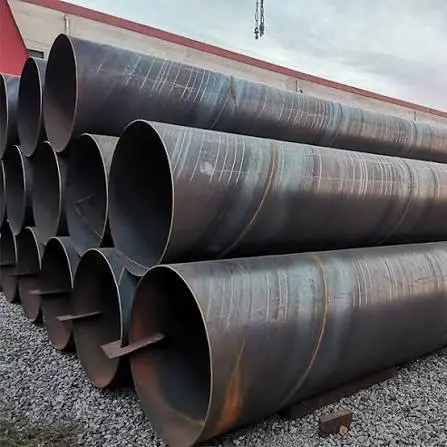
Introduction
Foundation piling is one of the hardest jobs in structural engineering because the conditions below the ground affect how well the materials perform reliably for decades. The ASTM A252 standard sets the minimum requirements for wall thickness, yield strength, and chemical composition for steel pipe piles, including welded and seamless products. Spiral submerged arc welded pipes are one of the approved ways to make pipes that meet this standard. They have specific benefits for large-diameter uses from NPS 8" to 120".
There are many technical and business factors that need to be looked at when choosing the right maker. No matter if you need Grade 1 pipes with a minimum yield strength of 30,000 psi or Grade 3 pipes with a minimum yield strength of 45,000 psi, your production skills must match the project requirements. Quality control procedures have a direct effect on the stability of the weld seam, the accuracy of the measurements, and the long-term resistance to corrosion. In addition to product specifications, procurement professionals need to think about the reliability of the supply chain, the openness of certifications, and technical support after delivery. This guide gives EPC contractors in charge of multimillion-dollar projects useful information that they can use, as well as distributors who keep track of regional inventory and engineering firms that plan installations on-site.
Understanding ASTM A252 SSAW Carbon Steel Pipes
Manufacturing Process and Core Specifications
To make SSAW carbon steel pipes, hot-rolled steel rolls are repeatedly shaped into tubes at a controlled helix angle, which is selected according to pipe diameter, strip width, and manufacturing requirements. Automatic submerged arc welding is used along the spiral seam. Flux materials keep the molten weld pool clean from outside contaminants. Large-diameter pipes can be made from thinner steel strips using this method of production, which makes better use of material than making lengthwise-seam pipes from wide plates.
The yield strength of pipes is used to divide ASTM A252 into three grades: Grade 1 (30 ksi), Grade 2 (35 ksi), and Grade 3 (45 ksi). The wall thickness can be anywhere from Schedule 10 to heavy-wall custom specifications; it depends on how much weight is being carried and soil conditions. Requirements for chemical composition and mechanical properties help ensure adequate weldability and structural integrity under operational loads. Manufacturers often control carbon equivalent values to support field welding requirements to keep pile splices from breaking when they are welded in the field.
Mechanical Properties and Load-Bearing Performance
When pipes are put under twisting loads during pile driving, spiral-welded pipes offer manufacturing advantages for large diameters while maintaining the required structural performance when properly manufactured and inspected. The three grades have tensile strengths that are usually between 45,000 and 66,000 psi, and 2-inch gauge lengths can stretch more than 15%.Impact toughness is especially important for installations in cold climates, where Charpy V-notch testing may be required to verify that the material meets low-temperature toughness specifications.
Measuring errors directly affect how quickly and easily something is installed. Project specifications may set ovality limits to ensure proper installation and load transfer. This makes sure that the load is transferred evenly and makes splicing easier. Maintaining wall thickness within the specified ASTM tolerance limits helps prevent stress concentrations that could cause fatigue cracks when the load changes due to earthquakes or changes in the water table.
Corrosion Protection and Surface Treatments
When exposed to changes in earth chemistry and moisture, bare steel pipes rust at regular rates. External coverings like coal tar enamel, fusion-bonded epoxy, or three-layer polyethylene systems can be used to protect things. For uses that come into touch with groundwater, internal coats may have cement mortar linings. Cathodic protection systems, which use sacrificial anodes or impressed current, make things last longer in harsh marine environments where chloride levels speed up electrochemical breakdown.
Comparing SSAW Carbon Steel Pipes with Other Pipe Types for Foundation Piling
Welded Piping Solutions Across Diameter Ranges
Due to differences in width, pressure grade, and cost, different welding methods are best for different projects. When procurement teams understand these differences, they can choose the best option for each application situation.
Electric resistance-welded pipes are commonly produced in small- to medium-diameter, use high-frequency current to join the seam edges along the length of the pipe without using filler material. This method works well for utility lines with small to medium diameters and structural columns with walls that are only slightly thick. Tight dimensional tolerances and smooth inner surfaces can be achieved with ERW production. However, the heat-affected zone needs careful quality control to match the features of the base metal.
Longitudinal submerged arc welded (LSAW) pipes are commonly used for medium and large diameters, and SSAW carbon steel pipes are made from flat steel plates that are rolled out and joined together along a single straight seam. LSAW offers strong walls for high-pressure gas mains and important structures where safety must not be compromised. After welding, the cold-expansion process reduces leftover stresses and makes the part rounder, which makes it easier to place it precisely when it's being installed in the field. LSAW works very well in situations where precise measurements and reliable seams are needed under high pressure.
You can get SSAW carbon steel pipes from NPS 8" up to 120". They are a cheap way to send water with a big diameter and low to moderate pressure. When compared to plate-based methods, the continuous coil-to-pipe manufacturing line cuts down on trash and the cost of tools. For foundation piling projects that need diameters bigger than 48 inches, SSAW is still the most cost-effective option. This is because LSAW manufacturing is too expensive because of plate width limits.
Performance Characteristics and Project Suitability
In large-bore uses, spiral-welded pipes stand out because they use materials more efficiently. A 60-inch-diameter SSAW pile uses a steel coil that is about 190 inches wide when unrolled along the helix. On the other hand, a similar LSAW pipe would need custom-milled plate stock that is bigger than what a normal rolling mill can handle. This manufacturing advantage can reduce production costs for large-diameter applications compared with some plate-based methods in terms of the cost of buying materials for diameters bigger than 48 inches.
Because of how it is built, LSAW is better for high-pressure containment situations. The single longitudinal weld seam is inspected more thoroughly than spiral seams, and the straight-seam shape makes it easier to understand the results of ultrasound testing. In contrast, the helical weld design in SSAW carbon steel pipes spreads hoop stress more widely when earth pressure is applied from the outside. This lowers the amount of strain that builds up in certain areas during pile-driving operations.
Installation logistics affect the choice of materials in ways that go beyond technical specs. Because they are made in coils, SSAW carbon steel pipes ship in longer continuous lengths, which means that they don't need to be joined in the field as often. In addition, the helical seam design provides acceptable structural performance when welding quality and inspection requirements are properly controlled, which have weaker methods for stopping cracks.
Procurement Guide for ASTM A252 SSAW Carbon Steel Pipes
Identifying Certified and Reliable Manufacturers
Verification of certification is the first step in evaluating a supplier. ISO 9001 quality management systems show that a company is dedicated to using consistent production methods, and API 5L and ASTM A252 compliance shows that the company follows international pipe standards. For marine and offshore uses, third-party certifications from classification societies like ABS, DNV, or Lloyd's Register add extra security.
A supplier's manufacturing capacity review shows if they can meet project deadlines without sacrificing quality. Facilities that make 800 tonnes of SSAW every month with specialized production lines have more consistent deliveries than facilities that make more than one product, where timing problems can happen. When suppliers move more than 90 containers every month, it shows that they are good at logistics and have built relationships with freight forwarders. This lowers the risk of customs delays and damage during transport.
Quality control infrastructure tells the difference between suppliers who aren't very good and those who are. Spectroscopic analyzers check that the chemical makeup is correct, and automatic ultrasonic testing tools look at the whole length of the weld seam for any internal breaks. X-ray radiography inspection of the ends of the pipes confirms the quality of the weld penetration and fusion. Before being shipped, pressure containment integrity is checked by hydrostatic testing, or other specified inspection methods are performed according to applicable project requirements.
Market Pricing and Commercial Terms
The cost of materials changes with the price of steel around the world.For ASTM A252 Grade 2 pipes with standard wall thicknesses, the cost varies significantly depending on steel prices, diameter, wall thickness, and current market conditions.
Pipes with larger diameters cost more because they use more material and need to be handled in a certain way. Bulk purchase deals that cover multiple orders often get 8–15% discounts compared to spot purchases, but distributors have to pay more to keep their goods on hand, so the discounts aren't always worth it.
Lead times range from 30 to 60 days for normal specs. For special diameter or wall thickness needs, it takes an extra two to four weeks to make the necessary tooling changes. Keeping raw materials in stock by suppliers cuts down on procurement processes, which is especially helpful when project plans are compressed because of delays in getting permits. To combine worries about cash flow with supplier credit risk, payment terms usually include a 30% deposit, with the rest due upon shipping documents or letter of credit arrangements.
Geographical factors have a big effect on total landed costs. Domestic suppliers don't charge import taxes and cut down on shipping times, but their prices may be 15–30% higher than those of foreign sellers. Freight costs are affected by how close a port is, and free trade agreements change the way tariffs are set up. When figuring out the total cost of ownership, you have to include quality risk because rejected shipments cost a lot more to fix than the difference in price at first.
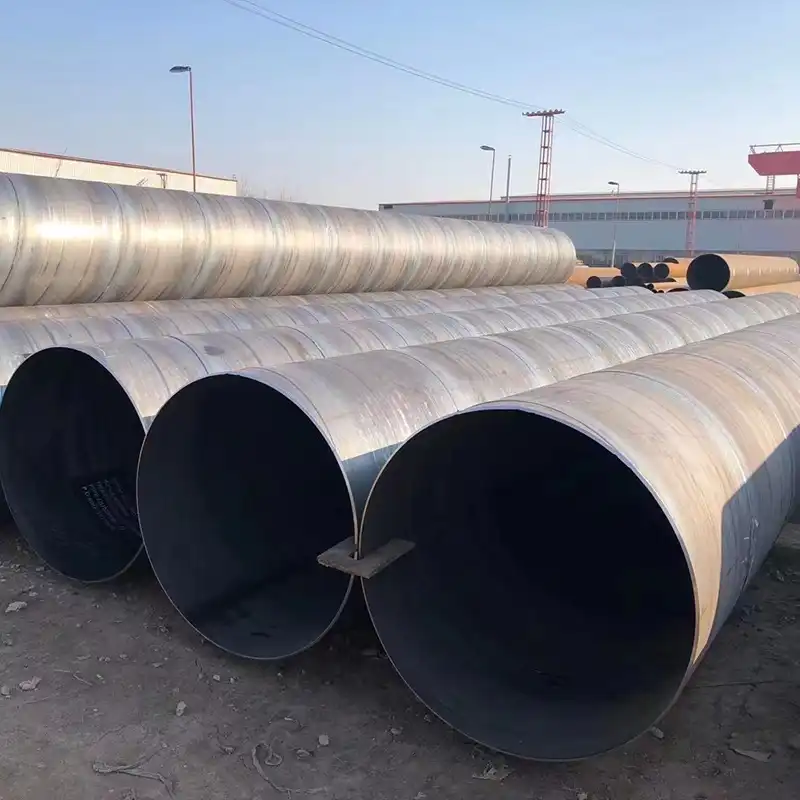
Application of ASTM A252 SSAW Carbon Steel Pipes in Foundation Piling
Real-World Performance in Demanding Projects
When it comes to foundation piling, SSAW carbon steel pipes are better than precast concrete alternatives because they are stiffer for their weight. vertical pile capacities vary widely depending on diameter, embedment depth, soil conditions, and design calculations for piles with diameters ranging from 12 to 48 inches, based on the depth and the soil's bearing capacity. The hollow cross-section makes it easier to check on after installation and allows filling to improve load transfer in weak soil layers.
When building bridges, SSAW piles are used for deep base systems where the rock is 50 to 150 feet below the surface. The spiral weld design can handle driving stresses from impact or vibratory hammers without the seams coming apart, which is something that can happen with straight-seam pipes when they are loaded over and over again. Large piles with diameters between 36 and 72 inches hold marine terminals and port facilities together against the side forces of mooring ships and tidal currents.
Offshore wind farms are a growing area of use. Multimegawatt turbines are supported by monopile foundations made of pipes with diameters commonly ranging from several meters, depending on turbine size and project design requirements. These foundations are built in water levels exceeding 100 feet. Marine environments are very toxic, so coatings must meet strict standards. Three-layer polyethylene or polyurethane systems are expected to last 30 years. In splash zones, where mechanical wear and tear speeds up the breakdown process, cathodic protection systems are used in addition to passive coatings.
Installation Efficiency and Maintenance Considerations
How productive pile driving is relies on the type of soil, the tools used, and the properties of the material. Wall thicknesses are determined according to project design requirements and applicable offshore foundation standards to keep installation damage to a minimum while keeping the ability to drive. Pre-drilling in dense formations lowers the driving resistance, but open-ended piles rely on soil-plugging mechanisms to achieve the required end-bearing capacity.
Implementing robust in-service corrosion monitoring protocols helps extend the operational life of steel piles beyond their initial design estimates. Ultrasonic thickness gauging is used in annual inspection routines to find section loss before the structure's ability to hold weight decreases. Replacing the protective anode every 10 years keeps the level of electrical protection at a good level, and fixing the coating fixes any mechanical damage caused by objects hitting it. If you keep your piles in good shape, they can last longer than 50 years in normal soil. In salty seas, they can only last 30 to 40 years without cathodic protection.
Conclusion
ASTM A252 spiral-welded pipes give foundation piling projects the structural performance, consistent dimensions, and economic value they need in a wide range of soil conditions and pressure scenarios. By choosing manufacturers with tested quality systems, full testing capabilities, and quick expert help, you can keep project risks to a minimum and stay within your budget. This guide gives decision-makers the buying tips and technical comparisons they need to be able to evaluate suppliers accurately, choose the right material grades, and form partnerships that will keep infrastructure reliable in the long run. As construction activity around the operating environment moves into more difficult geotechnical areas, it becomes more and more important for buyers who know what they're doing and manufacturers who can do it to work together.
FAQ
1. What is the typical service life of ASTM A252 SSAW pipes in piling applications?
Service life depends on how it is maintained and how it is exposed to the world. When the soil isn't too rough and the right coatings are used, SSAW piles usually last longer than 50 years. Without cathodic protection, marine conditions shorten the life to 30–40 years. However, coatings and cathodic protection systems work together to make the product last longer than 50 years. Regular maintenance and inspections make things last longer.
2. Can SSAW carbon steel pipe dimensions be customized for specific project requirements?
Manufacturers who are creative in how they make their products can fit unique diameters, wall thicknesses, and lengths as long as the equipment can handle them. For custom orders, there are usually minimum amounts and longer wait times for making changes to the tools. Giving full specs during the first meeting helps with figuring out if the project is possible and getting accurate quotes for non-standard needs.
3. How does corrosion resistance compare between SSAW pipes and concrete piles in marine environments?
In chloride-rich marine environments, steel that isn't protected rusts faster than reinforced concrete. But SSAW piles that are properly covered and cathodically protected last longer and can hold more weight in tight installation areas. Passively, concrete piles don't rust, but they're not as flexible or resistant to pressure as steel piles are when they are being driven.
Partner with JS FITTINGS for Reliable SSAW Carbon Steel Pipe Supply
Partner with JS FITTINGS to secure a reliable supply of SSAW carbon steel pipe. Backed by 43 years of manufacturing experience, JS FITTINGS delivers high-quality steel piping compliant with international certifications such as ISO, CE, and GOST-R. Our ASTM A252-compliant spiral-welded pipes are used in foundation piling projects in more than 30 countries. They come with full quality documentation and are delivered on time more than 95% of the time. We keep our monthly production capacity at 800 tonnes, and our order numbers are flexible enough to meet the needs of both big infrastructure projects and regional delivery needs. To get the best results from a job, technical advice services help with choosing the right materials, coatings, and installation methods. Contact admin@jsfittings.com to talk about your foundation piling needs and get detailed specifications along with competitive prices that are based on your project's timeline and budget.
References
1. American Society for Testing and Materials. (2020). ASTM A252/A252M-20: Standard Specification for Welded and Seamless Steel Pipe Piles. ASTM International, West Conshohocken, PA.
2. American Petroleum Institute. (2018). API Specification 5L: Specification for Line Pipe (46th ed.). API Publishing Services, Washington, DC.
3. Det Norske Veritas. (2019). Foundations: Design and Analysis of Monopile Foundations for Offshore Wind Energy Installations. DNV GL AS, Høvik, Norway.
4. Bowles, J.E. (2022). Foundation Analysis and Design (6th ed.). McGraw-Hill Education, New York, NY.
5. National Association of Corrosion Engineers. (2021). SP0169: Control of External Corrosion on Underground or Submerged Metallic Piping Systems. NACE International, Houston, TX.
6. Tomlinson, M.J. & Woodward, J. (2021). Pile Design and Construction Practice (7th ed.). CRC Press, Boca Raton, FL.
Send Inquiry
You may like
Related Industry Knowledge
- Guide to ANSI B16.5 Class 150 slip-on flange dimensions
- Custom Heavy Duty Forged Steel Flanges for High-Pressure Systems
- CRA Clad Pipe: Applications, Benefits, and Future Trends
- What Are Slip-On Flanges?
- What Is The Difference Between Different Grades Of API 5L Seamless Steel Line Pipe In Performance?
- A53 ERW Pipe – Type, Grade, Performance, Tolerance, Application Full Analysis
- Carbon Steel Forged Steel Flange in Oil, Gas & Power Plants
- What are Lap Joint Pipe Flanges & how do they work?
- Carbon Steel Forged Steel Flange: Class 150 to 2500 Guide
- What is a threaded flange?