
Buttweld Elbow Supplier Guide for EPC and Pipeline Contractors






2026-07-27 10:38:47
Selecting the right buttweld elbow supplier directly impacts project timelines, budget control, and pipeline integrity for EPC contractors and industrial project developers. These critical pipe fittings—designed to redirect flow at precise angles while maintaining pressure ratings—demand suppliers who deliver consistent quality, full traceability, and on-time shipments. When projects span oil refineries, chemical plants, or municipal infrastructure, procurement decisions must balance technical specifications with supplier reliability. This guide walks you through essential evaluation criteria, material considerations, and strategic sourcing approaches to minimize risk and ensure compliance across your pipeline systems.
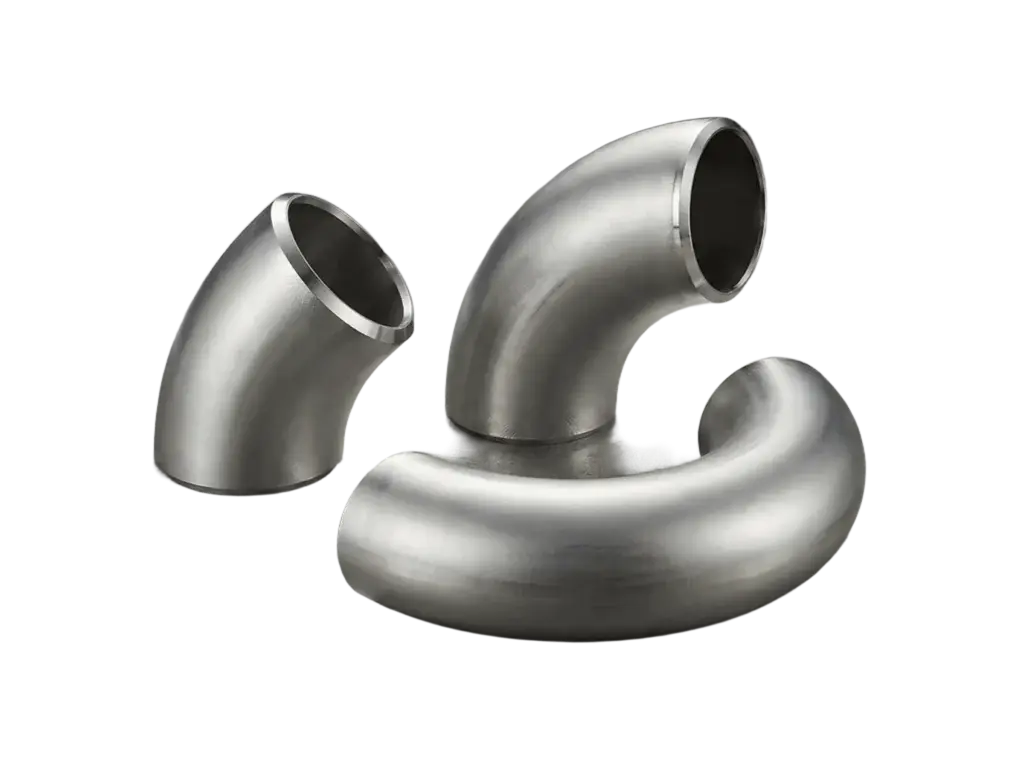
Understanding Buttweld Elbows: Key Specifications and Standards
A butt-welded elbow changes the direction of fluid or gas flow in pipe systems by 45°, 90°, or 180° angles, while keeping the structure strong under tough conditions. Instead of threaded or socket-weld options, these fittings have beveled ends that are machined to meet ASME B16.25 standards. This allows full-penetration welds to form permanent joints that won't leak.
By eliminating mechanical connections, this design minimizes leakage risks and stress concentrations, making these elbows well suited for high-pressure steam lines, hydrocarbon transportation, and corrosive chemical services.
Industry Standards Governing Quality and Safety
Buttweld elbows must meet certain standards for size accuracy, material chemistry, and pressure-temperature ratings. These standards are set by international rules. In North America, ASME B16.9 is still the most common standard. It covers dimensional tolerances, center-to-end dimensions, and wall thickness tolerances. EN 10253 or DIN 2605 are often used in European projects, while GOST standards are used in Eastern markets. Following the ASTM material standards, like A234 for carbon steel or A403 for stainless steel, ensures that the weldability and mechanical qualities are the same as when the pipes are joined.
Long Radius vs. Short Radius: Design Trade-Offs
In high-flow systems such as crude oil pipelines, long-radius elbows (with a centerline radius of 1.5 times the nominal pipe diameter) minimize fluid turbulence and lower pressure drops, thereby extending the service life of the piping network.Short-radius forms (1× diameter) work well in setups with limited room, but they wear down faster and need thicker walls to handle stress. When speed is important, engineers choose long-radius fittings for mainline systems. Short-radius fittings are saved for secondary lines or tight retrofits.
Pressure Ratings and Temperature Limits
Pressure capacity is based on wall thickness plans, which range from Schedule 10S to XXS. Depending on the nominal pipe size, Schedule 40 carbon steel elbows can withstand significant operating pressures, while heavy-wall Schedule 160 or XXS elbows are frequently specified for oil and gas gathering systems handling 3,000 psi or more. Grades of stainless steel like 316L stay strong at temperatures above 1,000°F, which is very important for coker units and steam reforming plants in refineries. When elbow ratings are matched to pipe specifications, failures during hydrostatic testing or thermal cycling are avoided.
Material Types and Manufacturing Processes Explained
The choice of material has a direct effect on cost, resistance to rust, and useful life. Most projects that need to stay within a budget use carbon steel. Stainless steel and alloy types are used in harsh settings or at very high or low temperatures.
Carbon Steel: Strength for General Service
The most common material for water, compressed air, and petroleum systems that work below 800°F is still ASTM A234 WPB. Its tensile strength (60,000+ psi) and ability to be welded make it good for treating water for cities, supplying water to power plants, and distributing natural gas. Low-temperature carbon steel grades (such as ASTM A420 WPL6) offer superior notch toughness for low-temperature environments down to -50°F, making them suitable for applications in LNG facilities or northern climates.
Stainless Steel: Corrosion Resistance Under Pressure
Type 304L buttweld elbows offer excellent oxidation and corrosion resistance in atmospheric or mildly corrosive chemical environments, making them suitable for food processing, pharmaceutical manufacturing, and potable water distribution systems.
Type 316L buttweld elbows add molybdenum to make them more resistant to pitting in places with a lot of chloride, like bleaching lines in pulp mills, desalination plants, and seawater cooling circuits. Duplex stainless buttweld elbows are very strong and don't crack when exposed to chloride, which means that repair shutdowns can be spaced out more.
Alloy Steel: Elevated Temperature Performance
Chromium-molybdenum alloys ASTM A234 WP11 and WP22 keep their creep strength above 900°F, which is important for thermal power plants, ethylene crackers, and delayed coking units. WP91 (9Cr-1Mo-V) works well in current boilers with supercritical steam conditions and is thinner and lighter than other metals. With the right post-weld heat treatment, leftover stresses are relieved, which stops brittle cracking during starting thermal shocks.
Seamless vs. Welded Construction
When solid pipe billets are used to make hot-formed seamless elbows, longitudinal weld seams are not needed. This gives the joints a uniform grain structure and the highest level of stability in cyclic loads. Sizes range from ½" to 24", which is big enough for most industrial and petroleum uses. Welded elbows may require radiographic or other nondestructive examination as specified by the applicable project specifications or design code to make sure the weld is strong.
To start the manufacturing process, raw pipe sections are heated to forging temperature (1,900–2,100°F for carbon steel) and then shaped over mandrels to reach the desired radii. CNC machining makes sure that the bevel angles meet ASME B16.25 geometry, which allows for consistent root pass penetration during field welding. Normalizing, quenching, or tempering the material improves its grain structure and mechanical properties according to the material specification.
Comparing Buttweld Elbows: Making Informed Procurement Decisions
Understanding the different design options helps procurement teams balance the costs of the initial purchase with the value over the product's lifetime. For example, buttweld fittings cost more than threaded or socket-weld options, but they don't incur maintenance costs like joints that leak or pressure drop penalties.
Buttweld vs. Socket Weld vs. Threaded Connections
Buttweld joints are better at resisting fatigue because the welded joint becomes part of the continuous pipe wall, spreading stress evenly. Socket weld elbows contain crevices between the pipe and fitting that may promote crevice corrosion in certain services, which speeds up localized attack in chemical plants. Threaded elbows, on the other hand, use mechanical seals that can come loose from vibration and thermal expansion leaks, which limits their use to low-pressure instrument tubing and short-term installations.
90-Degree vs. 45-Degree Applications
Right-angle elbows handle changes in direction in small pieces of equipment like compressor skids, pump stations, and rack piping. Using two 45° elbows in tandem can reduce localized pressure losses compared to a single 90° fitting under many flow conditions, improving pumping efficiency when transporting high-viscosity media over long distances.Pipeline designers use 45° elbows at horizontal direction changes to keep digging depths to a minimum and reduce thrust forces on buried lines.
Bulk Procurement Strategies
When you order more than 500 elbows of different sizes at once, you can get volume discounts of 15–25% and lower freight costs per unit. Making frame agreements with suppliers locks in prices for 12–24 months, protecting budgets from changes in the steel market. Blanket purchase orders with scheduled releases align inventory levels with construction phases, avoiding problems with storage in the field and the risk of corrosion from being outside for a long time.
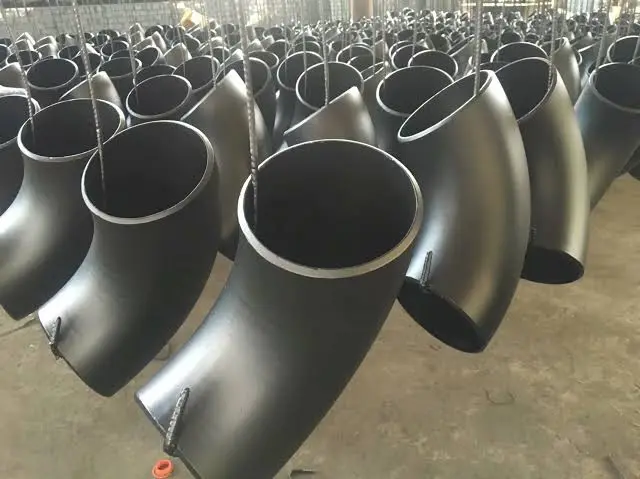
Installation and Inspection Best Practices for Buttweld Elbows
Correct field practices keep you from having to do expensive rework and make sure that you're following the rules during third-party reviews. Welding procedures, fit-up tolerances, and non-destructive testing methods all require that you stick closely to the project specs.
Welding Procedure Qualification
ASME Section IX calls for qualified welding methods for carbon steel butt weld elbows that cover base metal combinations, filler metal choices, preheat temperatures, and heat treatment cycles after the weld. The ends of the beveled carbon steel butt weld elbow must line up within a 1/16" offset and 3° angular error to avoid high-low flaws that put stress in one place. Root passes using GTAW (TIG) allow full penetration and smooth interior surfaces. Fill passes using SMAW or FCAW effectively increase wall thickness.
To mitigate the risk of hydrogen-induced cracking in thick-wall carbon steel elbows (Schedule 80+), preheating the material above 200°F is highly recommended, particularly in low-ambient-temperature welding conditions. Interpass temperature control, which keeps the heat between 300°F and 500°F, keeps changes in stiffness in the heat-affected zone to a minimum. ASME B31.3 Process Piping systems can be made less stressed when required by the applicable material specification or design code; post-weld heat treatment is performed at the specified temperature and holding time for the thickness.
Non-Destructive Examination Requirements
Radiographic testing (RT) is still the best way to find problems with vital service lines' internal welds, such as lack of fusion, slag spots, or porosity. Ultrasonic testing (UT) is a faster way to check thick-wall elbows for laminations or cracks that can't be seen with the naked eye. Magnetic particle inspection (MPI) finds flaws in carbon steel parts that break the surface, and liquid penetrant testing (PT) looks for tiny cracks in stainless steel welds.
Before fitting, center-to-end measurements, outside diameter, and wall thickness must be checked to make sure they meet ASME B16.9 tolerances. Digital calipers and ultrasound thickness gauges record the conditions as they were when they were built, which is needed for regulatory checks. Hydrostatic testing is typically performed in accordance with the applicable design code. Pneumatic testing, when permitted, follows separate pressure requirements and safety precautions, confirms the soundness of the joint, and finds leaks before it is put into service.
Procuring Buttweld Elbows: Supplier Selection and Purchasing Strategies
The review of a supplier goes beyond just looking at unit prices. It also looks at quality systems, production capacity, and expert support. When they're in charge of multimillion-dollar projects, EPC contractors can't afford shipping delays or materials that don't meet standards, which cause project schedule overruns.
Critical Supplier Evaluation Criteria
ISO 9001 approval shows that a company has well-thought-out quality management systems that cover things like tracking materials, keeping an eye on the production process, and taking corrective action when needed. API quality certifications and project-specific approvals demonstrate compliance with oil and gas industry requirements where applicable and show that you follow the rules for the oil and gas industry. Independent checks of the manufacturing process are backed up by third-party approvals like ASME Boiler Code stamps, Pressure Equipment Directive (PED) markings, or National Board registrations.
The ability to meet project deadlines for large orders depends on the production capacity. Manufacturers with a monthly production capacity exceeding 500 tons can comfortably absorb spikes in demand from large-scale EPC projects without compromising lead times. In-house testing labs with optical emission spectroscopy (OES), tensile testers, and hardness testing equipment allow quality checks to be done in real time, without having to wait for external labs to catch up on their work. Because CNC machine centers make sure that all of the beveled ends are the same across production lots, field fit-up time is cut down.
Material Traceability and Certification
Tier-1 steel mills, like Baosteel, Tsingshan, or ArcelorMittal, use heat-numbered mill test certificates (MTC 3.1 per EN 10204) to show full chemical and mechanical tracking. These papers prove that the material's carbon content, tensile strength, and impact toughness meet ASTM standards. This meets the needs of the owner and the code inspectors. When suppliers get secondary-grade steel or don't include heat numbers, they run the risk of breaking the rules and having materials rejected during construction.
JS FITTINGS: Proven Reliability for Complex Projects
Since 1983, our plant has made more than 30,000 tons of pipe fittings every year. This has earned us qualified partner standing with the National Iranian Oil Company, the Abu Dhabi National Oil Company, and Petrobras. We keep more than 800 tons of elbows in stock in sizes ranging from ½" to 72", so we can send emergency shipments within 48 hours for unexpected shutdowns or faster building phases. We source our raw materials from tier-one mills such as Baosteel and Tsingshan, ensuring full traceability backed by EN 10204 3.1 Mill Test Certificates. CNC beveling according to ASME B16.25 speeds up your field welding plans.
Before shipment, carbon steel butt weld elbow products and other elbows are inspected in accordance with the applicable project specifications and customer inspection requirements. With over 40 years of experience exporting to markets in the Middle East, South America, and Europe, we have a 95%+ on-time delivery rate and a customer complaint rate of less than 0.5%. Whether you need ASTM A234 WPB carbon steel elbows for water projects in cities or ASTM A403 WP316L stainless steel fittings for chemical plants, our expert team can help you choose the right material and figure out the pressure-temperature rating.
Seaworthy plywood box packaging with heat-number marks makes it easier for distributors managing multiple projects to keep track of their inventory. We can make custom degree angles (60°, 120°, or other angles) and wall thickness plans to meet the needs of any design. Certifications like ISO 9001, CE, GOST-R, and PETROBRAS show that a product meets foreign quality standards. This means that the product is ready for code reviews.
Conclusion
When looking for a buttweld elbow supplier, you need to carefully consider their quality systems, production capacity, and technical know-how. Following the rules set by ASME, ASTM, and ISO makes sure that fittings meet the needs for pressure levels and corrosion protection in a wide range of situations. Choosing the right material—carbon steel for general use, stainless steel for corrosive environments, or alloy grades for high temperatures—has a direct effect on how much it costs over its lifetime and how often it needs to be maintained. Strategies for buying things that focus on big discounts, tracking materials, and ensuring reliable delivery keep project plans and budgets in check. EPC contractors and pipeline developers can lower their risks and speed up the building process by working with suppliers who offer in-house testing, precise CNC machining, and full certification packages.
FAQ
1. What distinguishes butt-weld elbows from socket-weld elbows?
Buttweld elbows have beveled ends that fit flush with the ends of the pipes. This lets full-penetration welds happen, which join the pipe wall together.Unlike socket weld fittings, which have inherent crevices where the pipe slips into the socket shoulder, butt-welded fittings eliminate these crevices. In chemical processing settings, socket welds create areas where fluids don't move, which traps corrosive fluids and speeds up localized attack. Buttweld joints spread stress evenly, which makes them more resistant to fatigue when pressure or temperature changes happen over and over again. ASME B31.3 says that butt-welded construction is generally preferred for services above 400°F or in corrosive environments. Socket welds are only allowed for small-bore auxiliary lines less than 2" in diameter.
2. How do I determine the correct pressure rating for my pipeline system?
Pressure ratings depend on three things: the material grade, the operating temperature, and the wall thickness schedule. ASME B16.9 lists standard schedules (10S through XXS), with thicker walls supporting higher pressures. Use ASME B31.3 tables to figure out the allowable stress, then apply safety factors and weld joint efficiencies.
Carbon steel ASTM A234 WPB retains its nominal mechanical properties up to 400°F, after which its allowable design stress experiences temperature-related de-rating.Check engineering references like Crane TP-410 or utilize piping design software to verify pressure-temperature compatibility, ensuring elbow ratings match or exceed connected pipe specifications.
3. Can buttweld elbows be customized for non-standard applications?
Manufacturers can use hot-forming to accommodate custom degree angles (15°, 60°, and 120°), special radii, and non-standard wall thicknesses. To make custom elbows, engineers need to draw up engineering drawings that show the center-to-end dimensions, bevel angles, and material certifications. The minimum order quantity varies by size and is usually 10–50 pieces, with lead times of 8–12 weeks for specialized tooling. Custom fittings support complex pipeline geometries in crowded plant layouts or retrofit projects where standard elbows can't get the job done.
Partner with a Trusted Buttweld Elbow Manufacturer
When EPC contractors and pipeline developers manage mission-critical projects, JS FITTINGS delivers fully compliant piping components manufactured to international standards like ASME B16.9, EN 10253, and DIN 2605. Our operations are backed by 43 years of specialized manufacturing experience and certified under ISO 9001, CE, GOST-R, and PETROBRAS quality systems. We ship more than 90 containers every month, and our inventory includes carbon steel, stainless steel, and alloy grades with diameters from ½" to 72". Each fitting comes with full material traceability from Tier-1 mills and detailed NDT documentation. Contact our technical team at admin@jsfittings.com to talk about your project requirements, get detailed quotes, and enjoy the peace of mind that comes from working with a proven buttweld elbow supplier.
References
1. American Society of Mechanical Engineers. ASME B16.9: Factory-Made Wrought Buttwelding Fittings. New York: ASME Press, 2018.
2. American Society of Mechanical Engineers. ASME B31.3: Process Piping – Design, Materials, and Inspection Requirements. New York: ASME Press, 2020.
3. ASTM International. ASTM A234 / A234M: Standard Specification for Piping Fittings of Wrought Carbon Steel and Alloy Steel for Moderate and High Temperature Service. West Conshohocken: ASTM International, 2021.
4. European Committee for Standardization. EN 10253: Butt-Welding Pipe Fittings – Part 1: Wrought Carbon Steel for General Use and Without Specific Inspection Requirements. Brussels: CEN, 2016.
5. Nayyar, Mohinder L. Piping Handbook, 8th Edition. New York: McGraw-Hill Education, 2019.
6. Crane Company. Flow of Fluids Through Valves, Fittings, and Pipe (Technical Paper No. 410). Stamford: Crane Co., 2013.
Send Inquiry
You may like
Related Industry Knowledge
- How Custom ASTM A105N Forged Flanges Meet Specialized Requirements
- Types of ASTM A105 weld neck flange
- Differences Between AWWA Flanges and ANSI Pipe Flanges
- What Is the Difference Between LR and SR Buttweld Elbow?
- What is FBE Coated Steel Pipe?
- Why Engineers Choose Buttweld Bend Over Mitered Bends?
- How to Select the Right Buttweld Bend Radius (3D–20D)
- Does ASME require hydrotesting for a blind flange?
- What is carbon steel pipe used for?
- What is a plate flange?