
How to Select the Right Buttweld Bend Radius (3D–20D)






2026-06-03 10:32:48
Choosing the right bend radius for your pipe system isn't just about making sure that the parts fit together; it's also about protecting your investment and making sure that the system will work reliably for a long time. When you pick between 3D, 5D, 10D, or even 20D arcs, the pressure drop, stress distribution, weld quality, and how often you need to do maintenance will all change. If the radius of a buttweld bend is off, it can cause early breakdowns, expensive downtime, and safety risks. By understanding the technical and purchasing factors that go into choosing a radius, you can keep project risks to a minimum while still meeting deadlines and compliance standards.
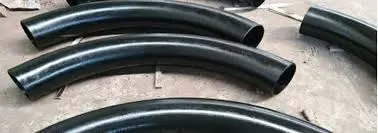
Understanding Buttweld Bend Radius and Its Impact
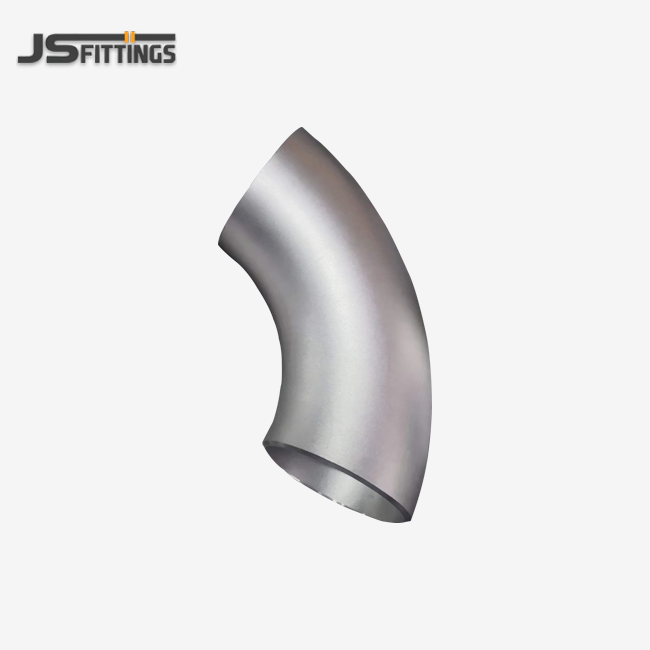
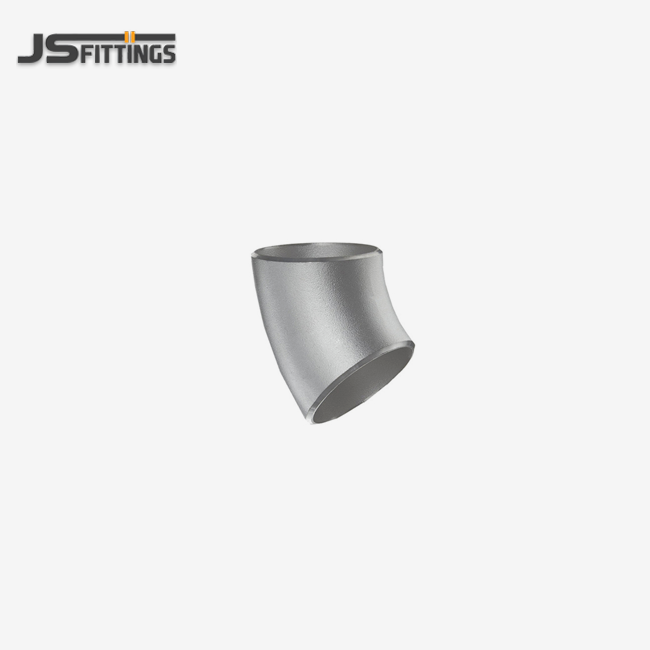
A "bend radius" is the radius of a curve along the axis of the pipe, given as a multiple of its nominal diameter (D). Bend radius is commonly expressed as a multiple of the pipe's nominal diameter (D). Standard elbows are typically manufactured in short radius (1D) or long radius (1.5D) configurations according to ASME B16.9, while pipe bends are generally produced with larger radii such as 3D, 5D, 8D, or higher through induction bending or other forming processes. The distinction is primarily based on manufacturing method and application.
In practical engineering terms, standard elbows are strictly manufactured to short radius (1D) or long radius (1.5D) dimensions. In contrast, custom pipe bends are engineered with much larger sweeping curves—typically 3D, 5D, 8D, 10D, or even greater—to meet specific fluid dynamics and routing requirements.
This difference is important because the radius has a direct effect on the flow patterns, the stress on the structure, and the ability for inspection tools like smart pigs to work.
How Does Radius Affect Flow Dynamics and Pressure Drop?
Larger radius turns make flow lines that are smoother, which lowers turbulence and keeps pressure losses to a minimum. If the pressure drop in high-speed systems that move oil, gas, or chemicals is even slightly lower, the system will use a lot less energy over its lifetime. A 5D or 10D radius bend lets fluid slowly change direction, keeping its speed and keeping the inside of the pipe from wearing away. On the other hand, tighter 3D bends cause faster changes in direction, which may increase turbulence and can contribute to localized erosion in high-velocity or particle-laden services.
Stress Distribution and Fatigue Resistance
The bend radius also controls how the fitting's mechanical stress is spread out when it's in use. Tight radius bends put a lot of stress on the intrados (inner curve) and extrados (outer curve). This can cause wear cracks when the structure is loaded and unloaded over and over or when it expands due to heat. Long radius bends, like 10D or 20D, spread stress more widely, which makes it less likely to wear out and increases the service life. This is very important for systems that are subject to changes in temperature, pressure, or seismic activity, as the added stress can weaken weld parts and lead to leaks.
Material and Welding Considerations
That bend radius you choose needs to be compatible with the welding process and the way the material is made. The outside wall of the pipe bends and thins during induction bending or cold forming. This is called wall thinning at the extrados. Tighter radii make this impact worse, so you need bigger starting material to keep the minimum wall thickness required by ASME B31.3 or B31.8. When making turns out of welded pipes, the longitudinal seam needs to be carefully placed along the neutral line so that stress doesn't build up on the weld. Standards such as ASME B16.49 (for induction bends used in transportation and distribution systems) and MSS-SP-75 provide requirements related to dimensions, wall thickness, ovality, material properties, and heat treatment.
Key Factors to Consider When Selecting Buttweld Bend Radius
To pick the best radius, you have to think about a lot of technical, practical, and purchasing factors. Making the wrong decision can cause problems with the installation, noncompliance, and expensive repairs.
Pressure Ratings and Flow Velocity
For high-pressure systems, choosing the right radius is important to keep stress amounts from getting too high. A 5D or 10D radius can help a petroleum plant that works at 1500 psi and has fast flow rates control hydraulic forces and stop erosion. Lower-pressure water distribution networks might work well with 3D turns, as long as the speed doesn't cause cavitation or water hammer. When you know your system's operating envelope, which includes its maximum allowed working pressure (MAWP), temperature changes, and flow rates, you can make choices about the radius that balance performance and cost.
Material Compatibility and Standards Compliance
When bent, different materials react in their own ways. Pipelines often use carbon steel grades like API 5L X42, X52, and X60. These grades can handle induction bending well if the right post-bend heat treatment (PBHT) is used. Stainless steel metals like ASTM A403 WP304L or WP316L don't rust, but they need to be carefully controlled in temperature when they are bent so that they don't become sensitized or experience intergranular corrosion. When alloy steels like ASTM A234 WP11 and WP22 are bent, they need to be normalized or tempered to make them flexible again. These steels are used in high-temperature power generation.
Teams in charge of buying things have to make sure that bends meet foreign standards like EN 10253 for European projects, ASME B16.9 for wrought fits, or ASME B16.49 for induction bends. Following these rules makes sure that the measurements are always the same, the structure is sound, and the materials can be tracked. These are all very important for getting third-party approvals and passing exams.
Space Constraints and Installation Challenges
The layout of the plant often determines the radius choice. In crowded offshore platforms or water treatment plants in cities, where room is limited, 3D buttweld bends may be better, even though they have a bigger pressure drop. But tight curves make field welding harder because they cause more ovality and alignment problems. To get the right fit, installers may need to pay a lot of money for expensive on-site rounding or use special tools. Long radius butt weld bends make installation easier by keeping the roundness better and giving you straighter tangent ends for welding. This cuts down on the time needed for work and inspections.
Piggability and Maintenance Access
Intelligent pigs are used by pipeline owners to check, clean, and keep an eye on corrosion in pipes that carry oil, gas, or refined goods. Tight turns are impossible for these machines; a 1.5D elbow would trap or hurt the pig. Best practices in the industry require piggable pipes to have minimum radii of 3D or 5D, with 5D being the best choice for lines with a bigger width. It is very important to make sure that there are no sharp edges or weld protrusions on the inside transitions. Any barrier can stop pigs from moving, which can lead to expensive recovery operations and production shutdowns.
How to Match Buttweld Bend Radius to Application Needs (Decision Support)?
Oil and Gas Transmission Pipelines
Long-distance pipes that carry natural gas or crude oil put an emphasis on being able to be pigged and using less energy. A 5D radius strikes a good mix between reasonable pressure drop and smooth pig passage. 10D radii are used when very low turbulence is needed or when pipeline codes require higher fatigue margins. High-yield materials such as API 5L X70 or X80 are commonly used in transmission pipelines because they provide favorable strength-to-weight ratios for challenging terrain and deep-buried installations. Coatings like 3-layer polyethylene (3PE) or fusion-bonded epoxy (FBE) keep things from rusting on the outside, which makes them last longer in tough conditions.
Chemical Processing and Refineries
At high temperatures and pressures, chemical plants work with fluids that are toxic. Stainless steel or nickel-alloy bends with 5D or 8D curves stop rough slurries from wearing away the metal and keep chemicals from attacking it. Post-bend heat treatment gets rid of any remaining stresses that could cause stress corrosion cracks. If you specify seamless pipe turns for important services, the risk of leaks is lower because there are no longitudinal welds to fail. Internal linings or specialty corrosion-resistant coatings may be used where additional protection against aggressive chemicals is required.
Power Generation and Thermal Plants
In power plants, supercritical steam lines typically operate at pressures above 3200 psi (22.1 MPa) and temperatures in the range of approximately 540–620°C. In these situations, alloy steel bends (ASTM A234 WP91 or WP22) with appropriately selected large radii, often 5D to 10D or greater depending on design requirements, are commonly used to keep erosion and heat stress to a minimum. Normalizing heat treatment fixes the grain structure that was damaged during bending, and hardness testing shows that there are no weak zones in the heat-affected zone (HAZ). Large radius bends lower flow resistance, which raises heat efficiency and lowers fuel use over the life of the plant.
Economic Considerations and Lifecycle Cost Analysis
Tight radius turns may cost less at first, but they may cost more in the long run. Increasing pressure drop raises the cost of pumping energy; speeding up weathering cuts down on service times; and concentrating stress makes failure more likely. A lifetime cost model that compares a 3D bend to a 5D option often shows that the extra cost for the longer radius pays for itself in lower upkeep costs, less downtime, and a longer asset life. Total cost of ownership (TCO) studies should be requested from sellers by procurement teams. These should include energy use, inspection regularity, and the risk of replacement.
Supplier Selection and Procurement Best Practices
Reliable providers stand out by having the right certifications, being able to make things, and providing quick service. Look for makers that are ISO 9001-certified and have high-tech testing tools. Spectral analyzers check the chemistry of the material, ultrasonic testing (UT) checks the regularity of the wall thickness, and magnetic particle inspection (MPI) finds flaws on the surface. Suppliers with approvals from major oil companies like NIOC, ADNOC, or Petrobras have quality control methods that have been shown to work. These certificates are kept up by our company, Hebei Jinsheng Pipe Fittings Manufacturing Co., Ltd. (JS FITTINGS), which sells to EPC companies and stockists in more than 30 countries. We have material types that cover API 5L, ASTM A234, ASTM A403, and ASTM A860. Our bending capabilities cover a comprehensive range of radii—from 2D up to 20D, including standard 3D, 5D, and 8D steel pipe bends—available in diameters ranging from DN15 to DN1500. The company maintains established production and logistics systems to support project schedules and customer delivery requirements.
Stock levels and wait times have a direct effect on project schedules. Trading companies and distributors like it when providers keep common setups in stock and offer flexible minimum order quantities (MOQs) for custom bends. JS FITTINGS answers questions within an hour and allows small-batch trial sales so customers can make sure the product meets their needs before committing to full-scale buying.
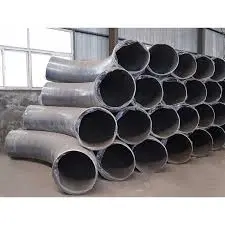
Common Misconceptions and Pitfalls in Selecting Buttweld Bend Radius
Myth: Tight Radius Bends Always Save Money and Space
Even though 3D bends take up less room and cost less per unit, they come with additional lifecycle costs. Higher pressure drop raises the cost of operating energy; concentrated stress increases the chance of failure; and bad piggability makes cleaning by hand necessary or prevents checking in real time. A careful engineering study often reveals that a 5D bend offers better long-term value despite costing more at first.
Consequences of Inappropriate Radius Choices
High-speed systems with circles that are too small lead to erosion, leaks, and shutdowns that were not expected. A refinery on the Gulf Coast had problems with a slurry line that used 3D turns over and over again. The problem went away when the line was changed to a 5D design with better materials. On the other hand, requesting 20D bends when 5D bends will do wastes money and makes operations harder without improving performance significantly. Both under-engineering and over-specification can be avoided by matching the radius choice to the real working conditions.
Importance of Supplier Technical Support
Costly mistakes can be avoided by involving providers early in the planning phase. Manufacturers with a lot of experience can suggest changes to the radius based on the qualities of the material, tell you what heat treatment is needed, and point out any problems that might come up during welding. JS FITTINGS offers engineering advice to help clients understand ASME, DIN, JIS, and EN standards, making sure that specifications meet both project needs and government rules. Our expert team looks at isometric drawings and suggests ways to make things better that don't cost more but do work better.
Case Studies: Successful Applications of Proper Buttweld Bend Radius Selection
High-Pressure Petrochemical Plant
A petroleum plant in the Middle East needed pipes for a high-pressure ethylene unit that worked at 2200 psi and 180°C. At first, the plans called for 3D bends to keep the size as small as possible, but stress analysis showed that the fatigue gaps were too large. Stress concentrations were cut by 40% when 10D radius bends made from ASTM A234 WP11 alloy steel were used instead, followed by a leveling heat treatment. The project got governmental approval without having to redo anything, and the system has been up and running for five years without any problems. The 10D bends were 25% more expensive than the original 3D specification, but a lifetime study showed that the extra money was worth it because they saved money on energy costs and inspection costs.
Space-Constrained Water Treatment Facility
In a recent urban water treatment facility upgrade, severe spatial limitations dictated that compact 3D bends had to be utilized in several critical routing areas. The engineering team knew the pros and cons and required more non-destructive testing, such as 100% radiography, and seamless building to get rid of longitudinal weld problems. Hydrostatic tests after installation at the applicable code-required test pressure demonstrated system integrity. Monitoring ultrasonic thickness every six months finds patterns of erosion that allow replacement before problems happen. This case shows that tight circles can work if they are combined with strict methods for quality control and maintenance.
Conclusion
Choosing the right bend radius between 3D and 20D depends on how well it works with hydraulics, how well it stays together, how easy it is to install, and how much it costs over its lifetime. While tight radii save room, they cause more stress and pressure losses. Long radii, on the other hand, improve flow efficiency and wear resistance but cost more. To do successful procurement, you need to know how the pressure, temperature, and flow affect your system, check that the materials and standards are met, and work with certified providers who can offer expert help and on-time delivery. To avoid common mistakes, do a full engineering study and work with manufacturers early on in the design process to make sure that the standards are the best they can be in terms of safety, performance, and cost.
FAQ
1. What factors affect the choice of bend radius the most?
The best radius is chosen by the material's qualities, the flow speed, the need for piggability, and the available room. Larger bend radii (5D to 10D) lower stress and pressure drop, which is good for high-pressure or high-speed uses. Installations with limited space may be able to handle 3D bends if better quality controls lower the risks. It also matters how ductile the material is and how it is welded. For example, alloys that are less ductile need softer curves to keep them from breaking.
2. Does bend radius change the quality of welding?
Of course. Tight radius bends are more oval, which means they are not round. This makes it harder to fit the weld and raises the risk of misalignment flaws. The process of bending also leaves behind stresses in the area that was heated. If you don't do the right post-bend heat treatment, these stresses can lead to cracks when bonding or using the part. Longer curves keep the roundness better and need less repair, which improves the quality of the weld and lowers the number of inspection rejects.
3. How do I request a custom quote from suppliers?
Give specific information about the item, such as its nominal diameter, wall thickness schedule, bend radius (3D, 5D, etc.), bend angle, material grade, relevant standards (ASME, DIN, EN), end preparation needs, coating or lining requirements, number, and shipping location. If you have them, include detailed models. When given all the information they need, certified sources like JS FITTINGS can reply quickly. We usually send out quotes within one business day.
Partner with JS FITTINGS for Your Pipe Bend Needs
Choosing precision-engineered bends from a reputable buttweld bend maker is the first step to improving the performance of a pipe system. Certified pipe bends from 3D to 20D radii in sizes from DN15 to DN1500 are made by JS FITTINGS to meet ASME B16.49, ASME B16.9, and foreign standards. We guarantee controlled wall thinning, limited ovality, and full post-bend heat treatment because we have been making products for over 40 years, are ISO/CE/GOST-R certified, and are approved by the world's largest energy companies. Our helpful technical team responds to questions within an hour, can support unique angles and heavy-wall specs, and delivers over 90 containers every month, with a 95% on-time rate. If you're an EPC contractor in charge of complicated projects or a distributor looking for dependable stocking partners, email admin@jsfittings.com right away to get reasonable prices and engineering advice that helps you meet your deadlines and reduces risk.
References
1. American Society of Mechanical Engineers. (2018). ASME B16.49: Factory-Made Wrought Steel Buttwelding Induction Bends for Transportation and Distribution Systems. New York: ASME Press.
2. Mohitpour, M., Golshan, H., & Murray, A. (2007). Pipeline Design and Construction: A Practical Approach (3rd ed.). New York: ASME Press.
3. Nayyar, M. L. (2000). Piping Handbook (7th ed.). New York: McGraw-Hill Professional.
4. American Petroleum Institute. (2019). API 5L: Specification for Line Pipe (46th ed.). Washington, DC: API Publishing Services.
5. Chuse, R., & Eber, S. M. (2003). Pressure Vessels: The ASME Code Simplified (8th ed.). New York: McGraw-Hill Professional.
6. Escoe, A. K. (2006). Piping and Pipeline Assessment Guide. Burlington: Gulf Professional Publishing.
Send Inquiry
Related Industry Knowledge
- What is ASME B16.5: A Guide to ASME B16.5 carbon steel flange
- What is the service life of an ASME B16.5 carbon steel flange?
- The Ultimate Guide to Slip-On Flanges: Exploring Applications and Benefits
- How long does A53 ERW Pipe last?
- What is A312 stainless steel pipe? Everything You Need to Know
- Induction Buttweld Bend vs Cold Bend: Pros and Cons
- Buttweld Tee Manufacturing Guide: Seamless or Welded?
- What is a threaded flange?
- Do flanges with threaded holes take stud bolts?
- How thick is standard wall pipe on carbon steel?