
The Ultimate Guide to Slip-On Flanges: Exploring Applications and Benefits






2026-06-23 10:10:59
A steel slip-on flange is the best way to connect pipes in industrial projects that need to be safe and efficient without going over budget or exceeding budget limits. For low- to medium-pressure systems, this part slides over the ends of the pipes and is held in place with two fillet welds. This makes joints that don't leak. Its easy assembly process cuts down on alignment problems and labor costs, which are big pluses for EPC workers who are pressed for time and procurement managers who have to balance quality with cost control. Knowing how slip-on flanges work can make a big difference in the results of your project, whether you're fixing up a water treatment plant or putting together chemical processing lines.
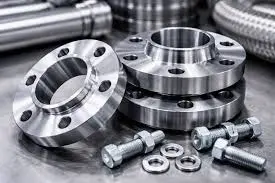
Understanding Steel Slip-On Flanges: Specifications and Working Principles
What Defines a Slip-On Flange?
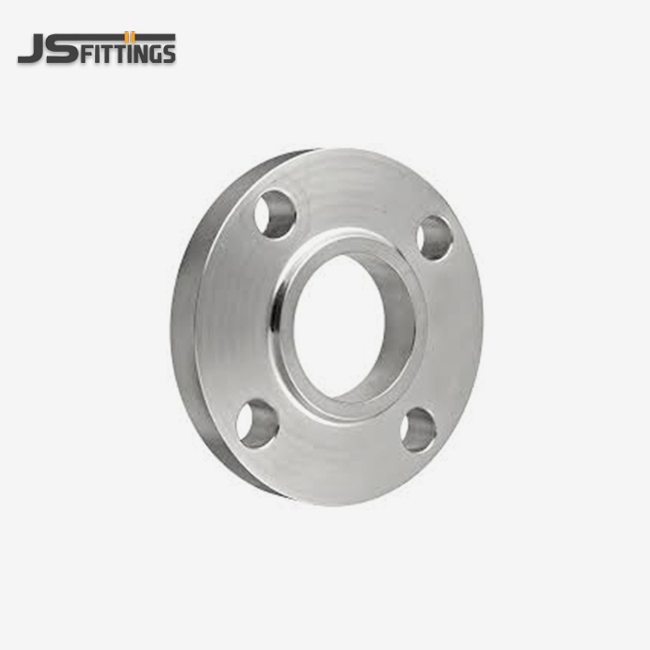
A steel slip-on flange has an inside diameter that is slightly bigger than the outside diameter of the pipe. This lets it slide over the end of the pipe easily before welding. This design doesn't need the perfect alignment of the bevel ends that weld neck options do. At JS FITTINGS, we make these parts from high-quality carbon steel types, such as ASTM A105 for general-purpose carbon steel applications and ASTM A350 LF2 for low-temperature service. Two fillet welds hold the flange in place: one is applied to the inside bore of the flange, and the other is applied to the outside hub face. Under moderate pressure, this double-weld method keeps the structure's stability while distributing loads more evenly.
The ease of fitting comes from being able to rotate freely before welding starts. Installers can change the locations of the bolt holes to match neighbouring equipment without having to cut the lines again, which is helpful when linking to valves or existing infrastructure. The pipe is usually inserted so that there is a 1/16" to 1/8" gap between it and the face of the flange. This keeps the flange from getting damaged during welding operations inside the pipe.
Material Grades and Standards Compliance
To serve a wide range of global markets, our slip-on flanges are made to meet a number of foreign standards. ASME/ANSI B16.5 sets the standards for sizes from NPS 1/2" to 24", and ASME B16.47 Series A and B cover uses with a diameter of 26" to 60". Conformity with EN 1092-1 and DIN guidelines is good for European projects. The choice of material depends on the working conditions:
- Carbon steel variants (A105/SA105) work well in oil plants and other places where temperatures can hit 800°F.
- Stainless steel options (304/316) resist rust in chemical plants and offshore sites that are exposed to acidic or salty conditions.
- Alloy steel grades handle high temperatures in power plants.
In low- to medium-pressure situations, Class 150 and 300 are the most common. Pressure levels go from Class 150 to Class 2500. The numbers PN6 through PN40 are common metric pressure ratings. Positive Material Identification (PMI) testing is done on each flange to make sure that its chemical makeup meets certain standards. This makes sure that you get parts that meet the mechanical needs of your project.
Dimensional Tolerances and Face Finishes
Precision cutting makes sure that the fit limits are correct. The bore diameter stays within a +1.0mm/-0mm range, which gives enough space without leaving too many gaps that could weaken the welds. The hub height stays small compared to weld-neck designs. This means that these flanges can be used in places where space is limited.
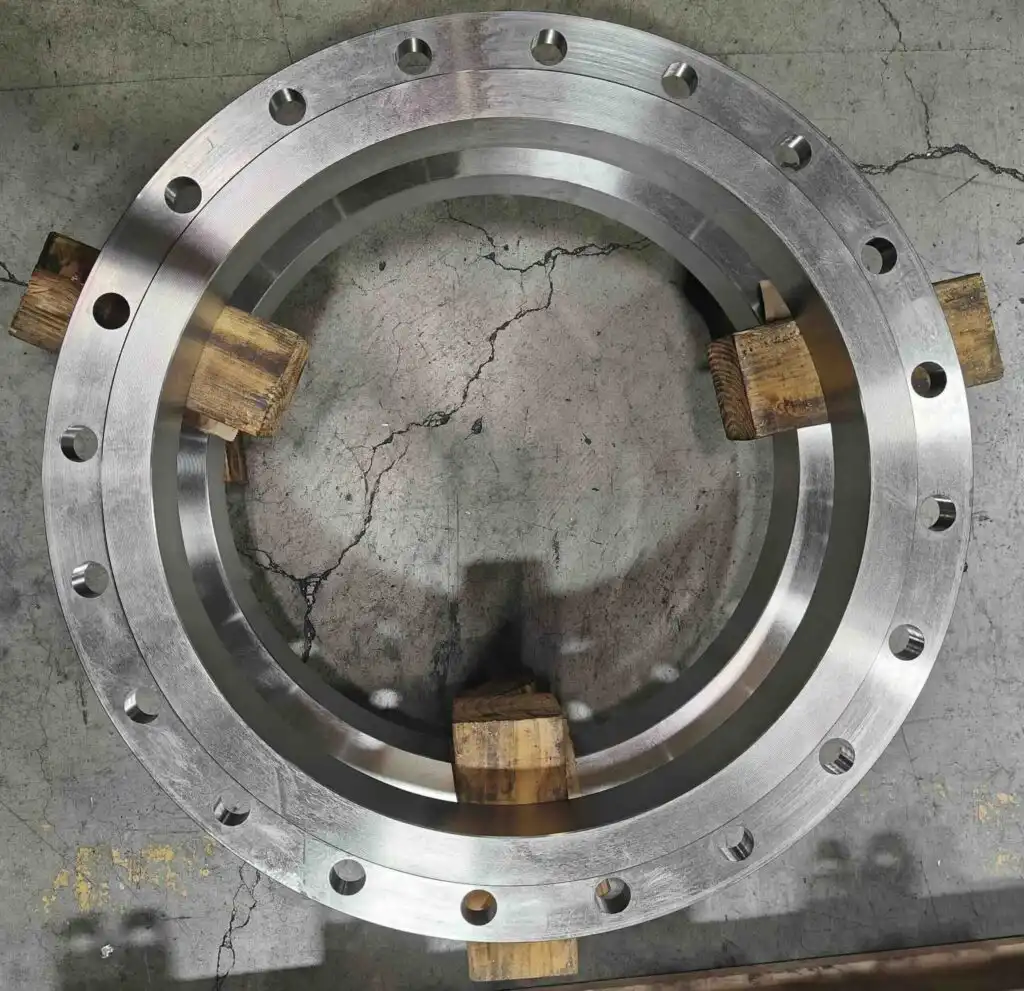
Different sealing requirements can be met by different facing choices for steel slip-on flanges. Raised Face (RF) finishes are most common in general applications because they have a 1/16" raised seating surface that compresses gaskets well. Flat Face (FF) configurations work well with cast iron valve connections, and Ring Type Joint (RTJ) designs are available for certain hydrocarbon processing applications requiring enhanced sealing performance. The surface roughness ranges from Ra 3.2 to 6.3 micrometres, which makes the best compression of gaskets without damaging sealing materials.
Comparative Analysis: Steel Slip-On Flanges vs Other Flange Types
Structural and Installation Differences
There are different types of flanges that have different installation benefits. Weld neck flanges need to be butt-welded with precise pipe bevel preparation, which takes skilled welders and more prep time. Socket weld flanges are commonly used for smaller bore pipes but can be susceptible to crevice corrosion. Threaded flanges don't need welding but can come loose when they're vibrated. Slip-on flanges are a good compromise because they make alignment easier by allowing rotational adjustment while still being strong enough for non-critical service.
The double fillet weld pattern spreads mechanical stress across two attachment points instead of a single butt weld. This design does create stress concentrations at the weld root, which makes it less suitable for high-cyclic fatigue applications, but it works well in steady-state pressure systems. Projects that experience a lot of thermal cycling or severe shock loading would benefit more from weld-neck alternatives, but most industrial installations fall within the performance envelope of steel slip-on flanges and slip-on flanges.
Carbon Steel vs Stainless Steel Considerations
Choosing the right material affects both the initial cost and the cost over time. For example, carbon steel versions are much cheaper than stainless steel versions, which is important when building large-scale infrastructure projects. Carbon steel can be stored with a black phosphate coating or rust-preventive oil, but for long-term installations, hot-dip galvanizing or epoxy painting is better to stop oxidation.
When used in corrosive environments, steel slip-on flanges made of stainless steel are worth the extra cost. Grade 316 can handle chloride attack in marine settings, while Grade 304 can handle mild chemical exposure in food processing plants. When choosing a material, it's important to weigh up the initial costs against the number of maintenance visits and replacements that will be needed. For stable, non-corrosive systems like municipal water distribution, carbon steel is the most cost-effective option. However, when used in aggressive chemical environments, stainless steel's durability is needed to avoid early failure and unplanned downtime.
Cost-Benefit Analysis for Project Managers
The cost of a project is directly affected by how quickly it is installed. Slip-on flanges cut down on labor hours by making alignment and pipe preparation easier and faster. The lower hub height also makes installation possible in tight spaces where weld neck profiles would interfere with nearby parts. All of these factors add up to big savings on projects with hundreds of connection points.
Slip-on designs inherently benefit from lower material costs. Their compact hub requires significantly less raw material than the long, tapered hub of a weld neck flange, directly translating to lower purchase prices. When factoring in faster welding times and simpler non-destructive testing (such as MPI or PT, since radiography is unsuitable for fillet welds), the total installed cost of a carbon steel slip-on flange is consistently lower than that of an equivalent-rated weld neck flange.
Benefits and Practical Applications of Steel Slip-On Flanges
Core Advantages Driving Industry Adoption
Because slip-on flanges are so flexible, they are used in all kinds of industries. There are a few main reasons for this:
- Simplified Installation Process: The ability to rotate the flange bore before welding gets rid of the frustration of misaligned bolt holes. This is especially useful for maintenance teams who need to fix things quickly in an emergency. The forgiving fit tolerances allow for small differences in pipe size without the need for field modifications.
- Economic Efficiency: Less expensive materials and fewer hours of work directly lead to higher project profits. Slip-on flanges' predictable pricing and reliable availability help distributors keep stock on hand, and buying in bulk further lowers unit costs, helping stockists keep competitive margins while giving end customers value.
- Spatial Adaptability: The small hub design is very helpful for retrofits and piping layouts that are already crowded. When a facility is upgraded, connections need to be added to existing systems that don't have enough room for new equipment. Slip-on flanges fit where bigger alternatives can't, giving engineering firms more design options.
- Maintenance Accessibility: Slip-on flanges make it easy to take apart systems that need to be taken apart for cleaning or inspection. For example, water treatment plants often disconnect sections of pipe to replace filters, which is made easier by flanged connections that don't need to be cut and re-welded.
These benefits work together to give dependable performance that meets safety standards and stays within budget. People who work in procurement like the consistent quality and predictable lead times that come from well-known makers.
Installation Best Practices for Optimal Performance
Making sure the pipe outer diameter matches the flange bore specification is the first step. Next, clean the inside of both the pipe end and the flange to get rid of any mill scale or other debris that could affect the quality of the weld. Finally, slide the flange onto the pipe so that the pipe end sits about 1/8" below the flange face. This gap keeps weld spatter from damaging the sealing surface during interior welding.
After lining up the bolt holes with the equipment that fits, tack weld the flange in place. Use the right electrodes for the base material to apply the internal fillet weld all the way around the hole. To avoid overheating and distortion, finish the outer hub weld after the inner weld has cooled. Magnetic particle inspection or dye penetrant testing can check the soundness of a weld without having to pay for radiographic testing.
The choice of gasket depends on the work conditions. For general water service, compressed asbestos-free sheets work, and for hydrocarbon service, spiral-wound seals with filler material do the job. Bolt torque should be applied in a normal way: start with 30% of the end torque, move up to 60%, and finish at 100% to make sure the gasket is compressed evenly.
Real-World Applications Across Industries
Steel slip-on flanges work well in a wide range of operating settings. These parts are used in municipal water treatment plants because they are corrosion-resistant (when coated or made of stainless steel) and easy to maintain. Large-diameter Class 150 carbon steel models connect pump discharge lines and filter manifolds in places where system changes need to be made often.
Slip-on flanges made of stainless steel are used in secondary containment systems and low-pressure solution lines in chemical processing plants. The easier fitting cuts down on building times in busy process areas where it would be hard to weld necks because of limited access. The double fillet weld design keeps the purity of the leak-tight system while providing sufficient strength for these non-critical services.
Slip-on flanges are used in industrial cooling systems and HVAC systems because they are cost-effective. A lot of pipe links need to be made between chiller plants and distribution networks in big business buildings. Slip-on designs are the most cost-effective way to meet both performance and budget needs because they require less material and work.
Sourced from premier manufacturers, these slip-on flanges are extensively utilized in tank farm piping, loading rack systems, and low-pressure fluid transfer lines at major oil terminals.It's easier to do maintenance during turnarounds when links can be put together and taken apart quickly. When installed outside, hot-dip galvanized finishes keep carbon steel flanges from rusting from the air.
Conclusion
In conclusion, steel slip-on flanges are useful because they lower costs, make fitting easier, and work reliably in a wide range of industry settings. The flexible way they can be aligned cuts down on work time while keeping low- to medium-pressure systems leak-tight. Procurement experts can choose parts that meet safety standards and price constraints if they know how to choose materials, figure out pressure ratings, and install them correctly. As the world's pipe network continues to grow, these adaptable connections will stay necessary for projects that need to be completed on time, to code, and with high quality. The right supplier relationship, based on proven production skills, thorough testing, and quick support, turns parts into project success.
FAQ
1. Can slip-on flanges be x-rayed after they have been welded?
Because the joint is made of fillet welds instead of butt welds, radiographic testing is not appropriate for slip-on flange connections. Magnetic Particle Inspection (MPI) or Dye Penetrant Testing (PT) is a good way to check the quality of a fillet weld's soundness without the problems that radiography has with this type of joint.
2. How does weather have an effect on pressure ratings?
According to ASME B16.5 temperature-pressure charts, higher temperatures lower the pressures that can be used. At room temperature, a Class 300 carbon steel joint can handle 740 PSI. At 500°F, it can only handle about 535 PSI. When service temperatures go above 100°F, you should always look at derating models to make sure you have enough safety margins.
3. What kinds of anti-corrosion treatments are best for installs outside?
Carbon steel flanges that are typically supplied have a black phosphate covering or anti-rust oil on them to protect them temporarily. For long-term use outside, they should be hot-dip galvanized for better rust protection or painted with epoxy systems that can handle the weather. When used in most weather conditions, stainless steel types don't rust.
4. Should the pipes go all the way through the port face?
Most installations leave a space of 1/16" to 1/8" between the end of the pipe and the face of the joint. This space keeps weld spatter from hurting the gasket-sitting area when welding is being done inside. If the pipe end is positioned perfectly flush with the flange face, the intense heat and weld spatter from the internal fillet weld will almost certainly damage the machined surface finish, completely compromising the flange's ability to maintain a leak-tight seal.
Partner with JS FITTINGS for Premium Slip-On Flange Solutions
With more than 40 years of experience, JS FITTINGS makes steel slip-on flanges that are the best they can be. Our wide range includes pipes with sizes from 1/2" to 60" and pressure values from Class 150 to Class 1500. All of them are made under strict ISO 9001 quality standards. We have foreign certificates like CE, GOST-R, and approved supplier standing with NIOC, ADNOC, and Petrobras. These show that we are dedicated to meeting the strictest requirements. Whether you need standard ASME B16.5 configurations or custom EN 1092-1 designs, our expert team can help you with your individual needs and provide full mill test paperwork. We make sure your project stays on track by shipping more than 90 containers every month and delivering on time more than 95% of the time. Email our knowledgeable staff at admin@jsfittings.com to discuss your project requirements and receive highly competitive quotes from a premier manufacturer of industrial steel flanges.
References
1. American Society of Mechanical Engineers. (2021). ASME B16.5: Pipe Flanges and Flanged Fittings NPS 1/2 Through NPS 24 Metric/Inch Standard. New York: ASME Press.
2. ASTM International. (2020). ASTM A105/A105M Standard Specification for Carbon Steel Forgings for Piping Applications. West Conshohocken: ASTM International.
3. Becht, C. (2018). Process Piping: The Complete Guide to ASME B31.3 (4th ed.). New York: ASME Press.
4. European Committee for Standardization. (2019). EN 1092-1: Flanges and Their Joints - Circular Flanges for Pipes, Valves, Fittings and Accessories. Brussels: CEN Publications.
5. Parisher, R.A., & Rhea, R.A. (2020). Pipe Drafting and Design (4th ed.). Houston: Gulf Professional Publishing.
6. Smith, P.R., & Zappe, R.W. (2017). Valve Selection Handbook: Engineering Fundamentals for Selecting the Right Valve Design (6th ed.). Oxford: Butterworth-Heinemann.
Send Inquiry
_1775029549981.webp "Buttweld Tee")
Related Industry Knowledge
- Sourcing Custom Steel Flange: A Buyer’s Guide to Working with a Manufacturer
- Role of API 5L Seamless Steel Line Pipe in Marine Industries
- Getting to Know ASTM A53 ERW Pipe: Characteristics & Uses
- ASME B16.9 Buttweld Reducer Dimensions and Weight Guide
- CRA Clad Line Pipe for Subsea and Offshore Pipelines
- A53 ERW Pipe – Type, Grade, Performance, Tolerance, Application Full Analysis
- A105 Carbon Steel Forged Steel Flange for Refinery Piping
- Carbon Steel Forged Steel Flange Supply: China Factory Wholesale
- What causes porosity in carbon steel pipe welding?
- Is a 90 or 45 degree elbow better for drain?