
Carbon Steel Forged Steel Flange: ASME B16.5 vs B16.47






2026-07-24 11:17:54
When specifying pipeline connection components for high-pressure industrial systems, choosing the right carbon steel forged steel flange standard can determine whether your project stays on schedule and within budget. ASME B16.5 covers flanges from 1/2 inch to 24 inches, designed for standard piping systems with pressure classes ranging from 150 to 2500. ASME B16.47 handles larger applications—26 inches to 60 inches—typically used in major transmission lines and bulk flow systems. Understanding these distinctions protects your project from costly specification errors, reduces installation delays, and ensures long-term operational safety in demanding environments like refineries, chemical plants, and offshore platforms.
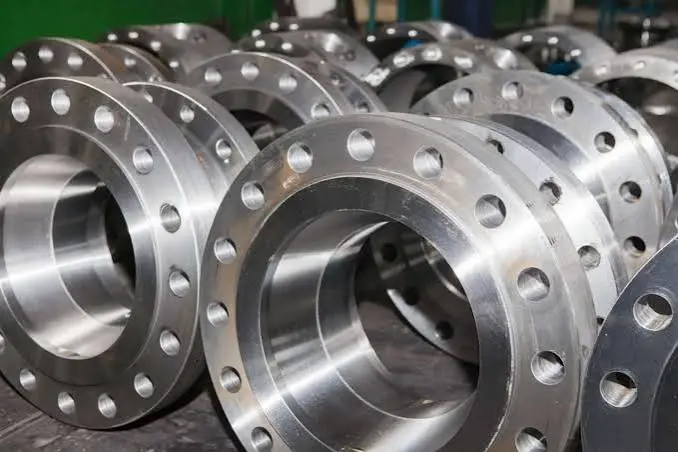
Understanding Carbon Steel-Forged Steel Flanges and ASME Standards
Carbon steel forged flanges are manufactured through a high-pressure mechanical process where hot steel billets are compressed under high pressure. This aligns the grain structure and makes components with excellent mechanical properties. Cast flanges may have holes or uneven density inside, but carbon steel and forged steel flanges don't have these problems because they are compressed under controlled conditions. This improved microstructure makes the material more resistant to fatigue and tougher when hit. These are important qualities for flanges that have to withstand thousands of pressure cycles and heat expansion events over decades of use.
At JS Fittings, we make carbon steel forged steel flanges out of ASTM A105 carbon steel, which is the usual material for uses that need to service at ambient or moderately elevated temperatures. The shaping process makes this material more flexible, so the carbon steel forged steel flange can handle vibrations and mechanical stress without breaking. Weld neck flanges are used for important high-pressure connections, slip-on flanges make it easier to line up lower-pressure lines, and blind flanges provide leak-proof termination points for future growth or maintenance access.
The Role of ASME Standards in Flange Specification
The American Society of Mechanical Engineers created ASME B16.5 and B16.47 as technical standards to make sure that all global supply chains are consistent in terms of size and pressure rating. As a result of these standards, parts made by different companies can easily fit together. They define things like bolt hole patterns, flange thickness, hub dimensions, and facing types. By making sure that flanges will fit existing pipe schedules, valve connections, and equipment nozzles without having to be machined to fit, these standards reduce procurement risk.
The guidelines set strict limits on the sizes that our factories must stay within. We keep the alignment of bolt holes accurate to within 1.5 mm, so field teams can finish setups without having to make time-consuming changes. We check the sizes of each batch using calibrated measuring tools that can be traced back to national metrology institutes. We also give full material traceability documentation that meets ISO 9001 and API standards.
Material Grades and Mechanical Properties
ASTM A105 carbon steel has a controlled chemical composition, with a maximum carbon content of 0.35%, controlled manganese content in accordance with ASTM A105 requirements, and low phosphorus and sulfur levels to minimize embrittlement and prevent operational cracking under stress. The tensile strength of this material is at least 485 MPa, and the yield strength is at least 250 MPa. It is commonly used for ASME pressure classes ranging from Class 150 to Class 2500, depending on the applicable design temperature. The maximum hardness of the material is 187 HBW, which makes it easy to machine precisely while still keeping the structure strong under bolt load.
When the steel is normalized (given the designation A105N), it goes through controlled heating and air cooling to fine-tune the grain size for carbon steel forged steel flange applications. This improves toughness for service in cooler ambient environments, but dedicated low-temperature materials such as ASTM A350 LF2 are generally specified for cryogenic applications. We offer heat treatment choices that are specific to your needs, backed by mill test certificates and inspection reports from SGS, TÜV, and Lloyd's Register. These certificates show that the product meets the requirements for buying things for government building projects and big energy companies like NIOC, ADNOC, and Petrobras.
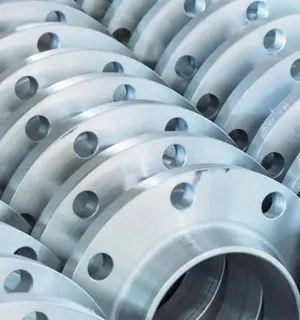
Key Differences Between ASME B16.5 and B16.47 for Carbon Steel Forged Flanges
Which of these two standards to use relies on the size of the pipeline, the pressure in the system, and the cost of the job. When it comes to process piping, ASME B16.5 is the most common standard. Line sizes range from small-bore instrumentation connections to 24-inch trunk lines. The standard sets out seven pressure classes: 150, 300, 600, 900, 1500, and 2500. Each class has its own temperature-pressure-temperature rating tables, which engineers use to make sure that the carbon steel forged steel flange can meet the needs of the system. When made from A105 carbon steel, a Class 300 B16.5 carbon steel forged steel flange can handle 740 psi at 100°F. At 400°F, it can only handle 535 psi because the material's strength drops with temperature.
The ASME B16.47 standard is designed specifically for large-diameter piping systems that fall outside the 24-inch limit of ASME B16.5. There are two series in the standard: Series A (formerly MSS SP-44) and Series B (formerly API 605). The bolt circle sizes and hub shapes of each are slightly different. Most of the time, Series B carbon steel forged steel flanges are generally lighter than Series A at the same pressure class because they use smaller bolt circles and more compact dimensions. This makes them a good choice for offshore installations where crane power and deck loading are limited. Series A carbon steel forged flanges are stiffer and are often used in land-based refineries where long-term mechanical stability is more important than weight.
Dimensional and Weight Considerations
Differences in weight between standards have a big effect on logistics and planning for installation. A 24-inch Class 300 weld neck carbon steel forged flange under ASME B16.5 weighs about 295 pounds, which is easy to handle with normal mounting gear. As we move to B16.47 Series B, a 30-inch Class 300 carbon steel forged steel flange weighs about 490 pounds. This means that you will need heavy lifting equipment, and the cost of labor may go up in crowded plant settings. Our engineering team helps procurement managers figure out the total cost of installation, which includes not only the price of the carbon steel forged steel flange itself but also the cost of freight, handling, and labor hours spent in the field.
To allow for the wider circumference of larger carbon steel forged steel flanges, different standards have different bolt hole patterns. Depending on the pressure class, B16.5 carbon steel forged steel flanges use bolts with sizes ranging from 1/2 inch to 3 inches. Small-bore carbon-steel-forged steel flanges have 4 holes, while 24-inch Class 2500 units have 32 holes. B16.47 carbon steel forged steel flanges keep their structural integrity on larger diameters by ensuring uniform gasket compression around the whole circumference even when the temperature rises. This is done by optimizing bolt spacing and strengthening hub geometry.
Pressure Class Selection and Operational Limits
Both standards group carbon- and steel-forged steel flanges into pressure classes that show the highest pressure that can be used at certain temperatures. This method of classification makes design easier by letting engineers say "Class 300" and instantly talk about allowable pressure without having to list complicated stress formulas. However, real pressure ratings depend on the type of material and the temperature, so it's important to carefully check these ratings against the lists of pressure-temperature rating tables provided in the standards.
We offer comprehensive technical support to ensure that procurement teams accurately interpret these tables for ASME flange selection. A common mistake in design is for buyers to choose the pressure class based only on the working pressure, without taking temperature derating into account. It might look like Class 300 carbon steel forged steel flanges would work for a pipeline that is working at 600 psi and 450°F at first, but looking at the P-T tables shows that Class 600 is needed to keep a safe margin. Our technical documentation includes simplified selection charts tailored for A105 carbon steel and standard ASME flange applications. This lowers the chance of not meeting the requirements.
Procurement Insights: Selecting and Buying Carbon Steel Forged Flanges
To do effective buying, you must first have a clear picture of what your system needs. Before asking for quotes, procurement specialists should make a list of operating parameters, such as the design pressure, temperature range, pipe schedule, and corrosion environment. With this information, manufacturers can recommend the appropriate pressure class, facing type, and surface treatment. When carbon-steel- or forged-steel flanges get to the job site, they are often turned down because the facing type doesn't match the existing equipment or the pressure rating isn't high enough for the conditions of use. This causes a lot of costly delays.
Certification compliance should be a must when assessing providers. We have ISO 9001:2015 approval for the whole manufacturing process, from getting the raw materials to inspecting the finished product. As part of our quality management system, we check the chemical makeup of new steel by optical emission spectroscopy (OES), look for flaws inside the steel with ultrasonic testing, and check the dimensions of the steel at different stages of production. There are traceable heat numbers on each carbon steel-forged steel flange that connect the end product to mill test records from steel makers.
Assessing Manufacturer Capabilities and Lead Times
How reliable deliveries are is directly related to how much can be made. Every month, our factory ships more than 90 containers full of pipe fittings and carbon steel forged flanges to projects all over the world. We can keep lead times of 3–4 weeks for standard setups even when the market is very busy because of this production volume and smart raw material inventory. We keep common sizes in stock in both Class 150 and 300 ratings so they can be shipped right away. This is very important for projects that have to deal with equipment failures or schedule delays that were not planned for.
Custom carbon steel or forged steel flange needs, like unique bolt hole positions, non-standard facing profiles, or coating specs that aren't common, add time to the production process but are often necessary for repair projects or connecting specialized equipment. Within 24 hours, our engineering department looks over custom requests and gives prices and feasibility assessments that take into account the complexity of the inspection and the tools that will be needed. This quick answer helps buying teams keep the project moving forward and make sure that all the parts work together technically.
Cost Factors and Value Engineering
The price of a carbon steel-forged steel flange is based on the cost of the raw materials, the difficulty of making it, and the licensing standards. The unit cost goes up because heavier pressure classes need more steel and more cutting processes. There are, however, chances for value engineering when project requirements allow for a choice of bolt types. Welded-neck carbon-steel- and forged-steel flanges are stronger and more resistant to fatigue, but they cost more than slip-on options. If operating conditions allow, using slip-on carbon steel and forged steel flanges on lower-pressure laterals can lower the total cost of the project without affecting safety.
We work together with procurement teams to identify these optimization opportunities for ASME flanges. Our 43 years of manufacturing experience in the oil, gas, petrochemical, and power generation industries enables us to help clients optimize technical specifications based on operational criticality. Bulk buying plans for big projects save you even more money. Orders over 20 tonnes get bulk discounts, and shipping times can be changed to fit with building goals.
Conclusion
You need to carefully think about pipe size, pressure class, installation environment, and total cost of ownership when choosing between ASME B16.5 and B16.47 standards for carbon steel forged steel flanges. For most process pipe needs, B16.5 works well and is widely available. On the other hand, B16.47 is better for large-diameter needs where weight and cost are important factors in the design process. Carbon-steel- and forged-steel flange construction is better than cast- or fabricated-steel alternatives in terms of mechanical properties and long-term dependability. This is why it should be used for important infrastructure projects. Working with a manufacturer with a lot of knowledge, full certifications, expert support, and reliable shipping will help your project stay on track and meet all safety and compliance standards.
FAQ
1. What is the main difference between ASME B16.5 and B16.47 flanges?
ASME B16.5 talks about carbon steel and forged steel flanges with a diameter of 1/2 inch to 24 inches, and ASME B16.47 talks about bigger ones with a diameter of 26 inches to 60 inches. There are two types of B16.47: Series A and Series B. Series B is usually lighter for the same pressure rating, which makes it a good choice for offshore platforms that have weight limits.
2. Can carbon steel forged flanges be used in corrosive environments?
If you protect carbon steel and forged steel flanges with the right treatments, like epoxy, galvanizing, or cathodic protection systems, they can be used in mildly corrosive environments. We offer corrosion engineering advice to help you decide if existing corrosion protection measures are enough or if upgrading to corrosion-resistant alloys like 316 stainless steel is needed for your chemical exposure and working life needs.
3. How do I determine the correct pressure class for my application?
To choose the right pressure class, you need to look at the ASME pressure-temperature rating tables that are made for the material of your carbon steel forged steel flange and the temperature at which it will be used. The tables show the highest working pressure that is safe for different temperatures. The selected pressure class should satisfy the required design pressure and temperature in accordance with the applicable ASME design code. Additional design margin, if required, should follow project specifications.
Partner with JS Fittings for Reliable ASME-Certified Flange Solutions
With over 40 years of dedicated experience, JS Fittings manufactures high-quality carbon steel forged flanges. Our 7,000-square-meter plant consistently makes more than 700 tonnes of carbon steel and forged steel flanges every month. We ship more than 90 containers around the world every month, and we have an on-time delivery rate of over 95%. We support both ASME B16.5 and B16.47 standards for all pressure classes, from 150 to 2500. Our work is backed by ISO 9001, CE, and GOST-R certifications. We are an authorized provider for NIOC, ADNOC, and Petrobras, so we know how important it is for big projects to have clear paperwork and consistent quality. Our engineering team answers all technical questions within an hour and offers full material traceability, mill test reports, and coordination of third-party inspections. We offer competitive prices, flexible payment terms, and technical support that is tailored to your specific needs, whether you need 10 carbon steel forged steel flanges for a maintenance turnaround or 500 tonnes for a new construction project. Get in touch with our purchasing agents at admin@jsfittings.com to talk about your needs with a reliable carbon steel forged flange manufacturer that wants to keep your project as risk-free as possible while still getting you the best value.
References
1. American Society of Mechanical Engineers. (2021). ASME B16.5: Pipe Flanges and Flanged Fittings—NPS 1/2 through NPS 24 Metric/Inch Standard. New York: ASME Press.
2. American Society of Mechanical Engineers. (2020). ASME B16.47: Large Diameter Steel Flanges—NPS 26 Through NPS 60 Metric/Inch Standard. New York: ASME Press.
3. ASTM International. (2022). ASTM A105/A105M: Standard Specification for Carbon Steel Forgings for Piping Applications. West Conshohocken: ASTM International.
4. Becht, C. (2019). Process Piping: The Complete Guide to ASME B31.3 (4th ed.). New York: ASME Press.
5. Ellenberger, J.P. (2018). Piping and Pipeline Calculations Manual: Construction, Design, Fabrication, and Examination (2nd ed.). Oxford: Butterworth-Heinemann.
6. Smith, P.R. & Zappe, R.W. (2021). Valve Selection Handbook: Engineering Fundamentals for Selecting the Right Valve Design for Every Industrial Flow Application (6th ed.). Houston: Gulf Professional Publishing.
Send Inquiry
You may like
Related Industry Knowledge
- What Facing Types Suit a Carbon Steel Forged Steel Flange?
- How Are Carbon Steel Forged Steel Flanges Heat Treated?
- Lap Joint Pipe Flanges: Everything You Need to Know
- Why Is a Seamless Buttweld Tee Preferred in Critical Service?
- Carbon Steel Forged Steel Flange Supply: China Factory Wholesale
- Best Buttweld Elbow Materials for Corrosive Industrial Pipelines
- What is a blind flange used for?
- How to Choose a Buttweld Tee for High-Pressure Pipelines
- Why Is Long Radius Buttweld Elbow Preferred in Oil & Gas?
- How to weld carbon steel pipe?