
Custom Stainless Steel Buttweld Elbow for Chemical Plants






2026-07-21 15:46:59
When chemical processing plants demand piping components that deliver uncompromising safety, durability, and leak-proof performance, custom stainless steel buttweld elbows stand as the solution. A butt-welded elbow is a precision-engineered pipe fitting designed to redirect flow within piping systems—typically at 45° or 90° angles—through a full-penetration welded joint that eliminates leak paths and withstands extreme pressures and corrosive chemicals. Unlike threaded or socket-weld alternatives, these fittings integrate seamlessly into continuous piping networks, ensuring operational reliability in environments where failure is not an option.
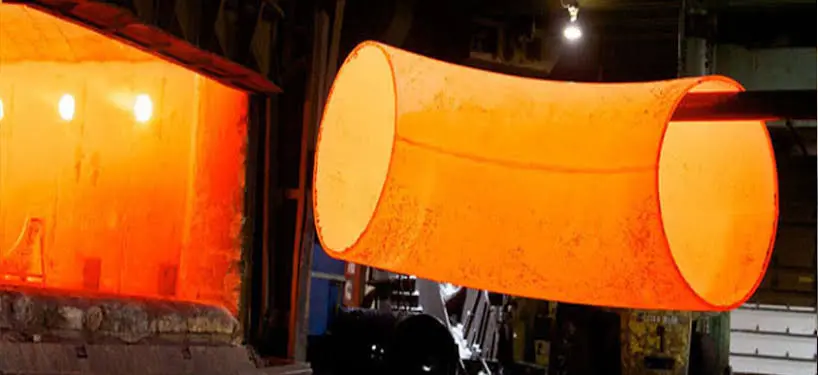
Understanding Custom Stainless Steel Buttweld Elbows
What Makes a Buttweld Elbow Essential in Chemical Plants?
To alter the flow direction in pipe systems in chemical plants, custom stainless steel buttweld elbows are used. They are engineered to maintain smooth flow and structural integrity under severe operating conditions. To meet ASME B16.25 standards, the ends of these fittings are prepared with the required bevel dimensions to allow proper full-penetration welding. This makes it possible for welders to link pipes in a way that is durable and full-penetration. It doesn't have any of the cracks and threads that other parts do, which can trap dangerous chemicals and make them break too soon.
Standard Angles and Configurations
In chemical handling, 90-degree angles are used to quickly change direction around machinery and building parts. Bends at 45 degrees, on the other hand, let you change direction more slowly, which lowers turbulence and pressure drop. You can also get custom configurations from us, such as 60-degree elbows and 180-degree return bends, to fit different piping layouts. With a centreline radius 1.5 times the standard pipe size, long-radius elbows make flow changes easier. This keeps erosion to a minimum when the flow rate is high.
Material Specifications and Corrosion Resistance
Grades 304 and 316 stainless steel offer exceptional corrosion resistance, making them the primary choice for chemical plants. For general chemical service, Grade 304 (ASTM A403 WP304/304L) is a good choice because it protects well against weak acids and organic substances. ASTM A403 WP316/316L Grade 316 contains molybdenum, which improves resistance to chlorides and many marine environments. Its performance in sulfuric acid depends on concentration and temperature conditions. Because it has less carbon, 316L is often chosen by chemical plants that work with harsh media. This is because it stops carbide precipitation during welding and keeps the weld zones from rusting. We source materials from qualified mills, including internationally recognised stainless steel producers such as Baosteel and Tsingshan. We give you 3.1 Mill Test Certificates for every part that show full chemistry and mechanical tracking.
Dimensional Standards and Flow Efficiency
During manufacturing, we adhere to the specifications outlined in ASME B16.9 , MSS-SP-43, EN 10253, and DIN 2605. This makes sure that all supply chains around the world use the same sizes. Sizes for seamless elbows commonly range from 1/2" to 24", while larger welded elbows can be manufactured for special project requirements. Wall thickness options range from Schedule 10S to XXS, so engineers can match pressure ratings to system needs. Advanced CNC machining makes sure that bevel angles are accurate and wall thickness is uniform, especially at the elbow's back, where pressure builds up the most.
Comparing Buttweld Elbows with Other Elbow Types for Chemical Plants
Design Differences and Welding Techniques
It's easier for procurement professionals to choose the right fittings when they know the differences between connection methods. Socket weld elbows have a recessed socket that receives the pipe end, creating a fillet weld. These are good for smaller-diameter lines (usually less than 2 inches), but the gap between the pipe and socket can trap corrosive chemicals, speeding up localised corrosion. Threaded elbows use mechanical threads for connection, which creates leak paths and stress concentrations that aren't good for high-pressure chemical service. Buttweld elbow connections get rid of these issues by melting the metal completely, making a continuous structure that spreads stress evenly and stops crevice corrosion.
Seamless Versus Welded Construction
The manufacturing method has a significant impact on how well it works. Seamless elbows are made by hot-forming solid pipe stock, which keeps the component's grain structure intact. This method gives the best strength and pressure capability, which is why seamless elbows are used for important, high-pressure chemical service lines. Welded elbows are made from plate stock using ERW (Electric Resistance Welding) or EFW (Electric Fusion Welding) processes. The longitudinal weld seam can be a potential weak point, but modern welding technology and post-weld heat treatment make parts that can be used in moderate-pressure situations. By improving the hot-mandrel and cold-forming processes, we keep the wall thickness consistency that meets the strict needs of chemical processing environments.
Stainless Steel Versus Carbon Steel Considerations
Carbon steel elbows (ASTM A234 WPB) are stronger and cost less at first, but they need protective coatings or cathodic protection in corrosive environments. Stainless steel elbows cost more at first, but they last much longer and need much less maintenance. Chemical plants that work with acids, chlorides, or high-purity products choose stainless steel to keep their products clean and make sure they last for decades. In chemical processing applications, the total cost of ownership always favours stainless steel.
Selecting the Right Custom Buttweld Elbow for Your Chemical Plant
Evaluating Pressure and Temperature Ratings
Chemical process engineers have to make sure that the elbow specifications match how the system works. The pressure rating is based on the wall thickness; Schedule 40 is commonly used for many moderate-pressure applications, while Schedule 80, XS, or XXS may be selected for higher-pressure services depending on material, temperature, size, and design requirements. Temperature affects both the choice of material and the allowable stress values. Stainless steel 304 can be used in elevated-temperature services up to about 1,500°F depending on design requirements and allowable stress limits, while grade 316 provides improved corrosion resistance in chloride-containing environments. Our technical team helps clients figure out pressure ratings according to the ASME B31.3 Process Piping Code, taking into account corrosion allowance and safety factors that are right for chemical service.
Chemical Compatibility and Material Selection
For sulphuric acid applications, you need 316L stainless steel with molybdenum content. 304 stainless steel may be suitable for some caustic environments depending on concentration and operating temperature. For high-purity pharmaceutical production, surfaces need to be electropolished. We keep a lot of information on corrosion resistance and suggest materials based on chemical concentration, temperature, and exposure time. Each part comes with a certified material test report that lists the chemicals used and their mechanical properties.
Assessing Supplier Credibility and Certifications
When you work with certified manufacturers, the risk of a project goes down. JS FITTINGS has ISO 9001 quality management certification, which means we have solid quality control systems in place. We also have CE marking, which means we meet European health, safety, and environmental standards, and GOST-R certification, which lets us sell our products in Russia and the CIS. We are a qualified supplier for the National Iranian Oil Company (NIOC), Abu Dhabi National Oil Company (ADNOC), and Petrobras, which means we can meet their high standards. Our technical support team helps clients solve complicated piping problems and make system designs better.
Procurement Considerations and Lead Times
A successful procurement strategy finds the best balance between price, quality, and delivery time. Our pricing structure rewards customers who commit to large orders while keeping smaller orders competitive. We keep a large inventory of common sizes and grades, which lets us quickly complete urgent projects. Lead times for custom configurations range from four to eight weeks, depending on the complexity and quantity. Every month, we ship more than 90 containers, which shows that we have the production capacity to support large EPC projects. With an on-time delivery rate above 95%, we help contractors meet tight construction schedules and avoid costly delays.
Installation, Inspection, and Maintenance Best Practices
Welding Preparation and Technique
So that the welds don't leak and follow the rules, the bevelled ends of the buttweld elbow need to be cleaned down to bare metal, getting rid of oils, mill scale, and other impurities. The root opening and alignment need to stay the same through proper fit-up. Qualified welders use the right filler metals—usually ER308L for 304 stainless steel and ER316L for 316 stainless steel—and keep the heat input low to avoid sensitisation. We suggest Gas Tungsten Arc Welding (GTAW/TIG) for the root passes and Gas Metal Arc Welding.
Non-Destructive Testing Methodologies
Visual inspection finds surface irregularities, incomplete fusion, and weld profile issues. Radiographic testing (RT) finds internal porosity, slag inclusions, and lack of penetration. Ultrasonic testing (UT) checks wall thickness and finds subsurface defects. We utilize UT and appropriate surface examination methods, such as liquid penetrant testing (PT) for austenitic stainless steel welds, on critical components. Our quality control protocol goes beyond standard visual inspection and uses UT and MPI on critical welds to find any internal problems or surface cracks that could put people in danger.
Preventive Maintenance and Corrosion Monitoring
To make components achieve longer service life in harsh chemical environments, they need to be checked for corrosion, erosion, or mechanical damage on a regular basis. Ultrasonic thickness gauging can be used to measure wall loss so that parts can be replaced before they break. For systems that deal with very harsh chemicals, we recommend putting protective coatings on the inside, such as epoxy or fluoropolymer linings. Cathodic protection systems are predominantly utilized for buried carbon steel piping where electrochemical corrosion control is required.Maintenance plans that include inspections, coating renewal, and part replacements keep things reliable and keep costs low over time.
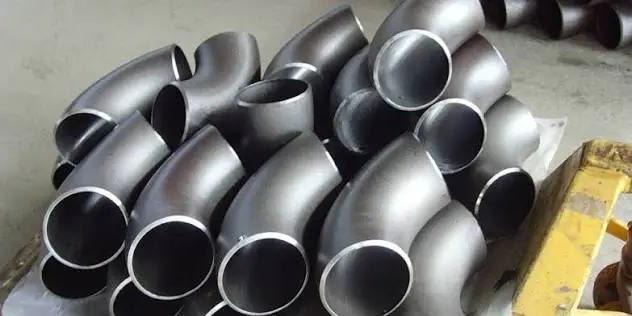
Advantages and Applications of Custom Stainless Steel Buttweld Elbows in Chemical Plants
Performance Benefits in Demanding Environments
The advantages of custom stainless steel elbows directly help with problems in the chemical industry. They are stronger and more resistant to corrosion, so equipment doesn't break down early and contaminate products. They are also smoother on the inside, which lowers turbulence and erosion, and the permanently welded joint stops leak paths, which makes sure that companies follow safety and environmental laws. All of these advantages mean lower maintenance costs, longer equipment life, and better process uptime, which are all important for chemical manufacturing companies that want to stay competitive.
Critical Application Zones
Most of the process systems in chemical plants use stainless steel elbows. Some of the most demanding uses are reactor feed lines that have to work at high temperatures and pressures, corrosive chemical transfer lines that need to be as resistant to corrosion as possible, and clean-room pharmaceutical piping requiring contamination-free internal surfaces. High-purity acid distribution systems need electropolished 316L elbows to stop particles from shedding, heavy-wall configurations for thermal shock, and long-radius designs for slurry and abrasive service lines to keep surfaces from wearing down. We can customise our products from DN15 to DN2000, and we can make special configurations to fit all of your needs.
Emerging Trends and Future-Ready Solutions
The performance of metals keeps getting better. For example, duplex and super-duplex stainless steels combine the strength of ferritic alloys with the corrosion resistance of austenitic grades. This makes walls thinner and lighter. Also, nitrogen-alloyed stainless steels can provide improved pitting resistance in chloride environments. Compliance standards are also changing. For example, new ASME codes address hydrogen embrittlement and stress corrosion cracking. Our engineering team continuously monitors these advancements to optimize our buttweld elbows for future applications.
Conclusion
You should choose custom stainless steel buttweld elbows for chemical plant piping systems that can't skimp on safety, dependability, or corrosion resistance. JS FITTINGS makes parts that have the lowest lifecycle costs while maximising operational uptime. To get decades of trouble-free service, make sure you choose the right parts by thinking about pressure ratings, chemical compatibility, and dimensional requirements. You should also install them correctly and do regular preventative maintenance. As your needs change for chemical processing, you can count on us to provide you with critical piping components.
FAQ
1. What pressure ratings are typical for stainless steel elbows in chemical plants?
Some types of stainless steel elbows, like Schedule 40, can handle up to 1,000 PSI of pressure at room temperature. Other types, like Schedule 80 and XS, can handle up to 2,000 PSI or more. According to ASME B31.3 stress tables, temperature lowers the allowable pressure. To make sure the system design is safe, we give you detailed pressure-temperature ratings for each size, schedule, and material combination.
2. How do welded connections compare with flanged connections?
Some chemical plants use welded elbows for process lines and flanged connections only when they need to disconnect for operations. Buttweld connections are permanent and don't leak, and they're better for critical chemical service because they get rid of gasket leak paths and lower fugitive emissions. Flanged connections make it easier to disassemble equipment that needs regular maintenance, but they also add potential leak points and need torque monitoring.
3. Can you accommodate custom specifications?
Yes, we can make elbows with non-standard angles, special alloys (like duplex and super duplex stainless steel), and custom sizes to fit each project. Our engineering team looks at the custom specifications, decides if the project is possible, and sends samples for approval before starting full production. We can make elbows from DN15 to DN2000, so we can help with both small installations and big EPC projects.
Partner with a Trusted Buttweld Elbow Manufacturer for Your Chemical Plant Projects
JS FITTINGS has been making products for over 40 years and is a qualified buttweld elbow supplier for big energy companies like NIOC, ADNOC, and Petrobras. Our ISO 9001-certified production facilities ship more than 90 containers every month and have a repurchase rate of over 98% thanks to helpful technical support. We can help you whether you're an EPC contractor with tight construction schedules, a distributor who needs reliable inventory support, or an end-user who wants to lower lifecycle costs. Email us at admin@jsfittings.com to talk about your needs and experience the JS FITTINGS difference in quality and dependability.
References
1. American Society of Mechanical Engineers. (2022). ASME B16.9: Factory-Made Wrought Buttwelding Fittings. New York: ASME Press.
2. American Society of Mechanical Engineers. (2020). ASME B31.3: Process Piping Code. New York: ASME Press.
3. ASTM International. (2021). ASTM A403/A403M: Standard Specification for Wrought Austenitic Stainless Steel Piping Fittings. West Conshohocken: ASTM International.
4. Schweitzer, Philip A. (2018). Corrosion Resistance Tables: Metals, Nonmetals, Coatings, Mortars, Plastics, Elastomers and Linings, and Fabrics (5th ed.). New York: Marcel Dekker.
5. Mohitpour, M., Golshan, H., & Murray, A. (2007). Pipeline Design and Construction: A Practical Approach (3rd ed.). New York: American Society of Mechanical Engineers.
6. Gunn, Robert N. (2003). Duplex Stainless Steels: Microstructure, Properties, and Applications. Cambridge: Woodhead Publishing Limited.
Send Inquiry
You may like
Related Industry Knowledge
- Hot Dipped Galvanized Carbon Steel Pipe for Water Supply System
- Custom Stainless Steel Buttweld Elbow for Chemical Plants
- Buttweld Reducer Pressure Ratings for Critical Service Lines
- What Does ASME B16.5 Mean for Pipe Flange and Flange Fittings?
- How Are Carbon Steel Forged Steel Flanges Heat Treated?
- Internal Burr Removed ASTM A53 ERW Pipe for Precision Applications
- How to Select a Buttweld Reducer for Process Piping?
- Carbon Steel Forged Steel Flange in Oil, Gas & Power Plants
- Lap Joint Pipe Flanges: Everything You Need to Know
- Carbon Steel Concentric Buttweld Reducer Buying Guide