
Hot Dipped Galvanized Carbon Steel Pipe for Water Supply System






2026-07-22 11:02:51
Hot-dip-galvanized carbon steel pipe for water supply systems represents a proven solution for hot-dip municipal and industrial water distribution networks. Industry carbon steel pipe, when enhanced with a zinc coating through the hot-dip galvanizing process, offers exceptional corrosion protection while maintaining the structural strength and cost-effectiveness that engineering firms and project developers require. This galvanized piping solution addresses critical procurement challenges, including lifecycle cost reduction, safety compliance, and reliable performance in demanding water infrastructure applications.
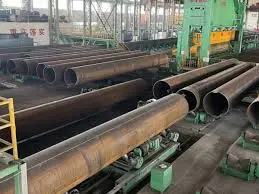
Understanding Hot-Dipped Galvanized Carbon Steel Pipes for Water Supply
What Makes Hot-Dipped Galvanization Essential for Water Infrastructure?
The hot-dip galvanizing process turns regular carbon steel pipe into a pipe with enhanced corrosion resistance and can be used for decades to carry water. During production, the cleaned pipe is submerged in liquid zinc at a temperature of about 840°F (449°C). This forms a strong link between the zinc coating and the steel base. This process makes several layers of a zinc-iron alloy, with a pure zinc layer on top that provides cost-effective corrosion protection.
When it comes to water supplies, this zinc layer is both a shield and a sacrificial anode. When the covering gets small scratches or abrasions, the zinc corrodes faster to protect the steel underneath. This electrical protection makes the pipe last a lot longer than bare steel, especially in places where the water quality changes or where the soil conditions outside speed up rust. In non-aggressive water situations, galvanized pipes placed correctly in municipal water systems across the United States have been shown to last more than 50 years.
Key Standards Governing Galvanized Pipe for Water Systems
To ensure quality and compatibility, people who work in procurement must only buy products that are made to internationally recognized standards. The standard most often used for galvanized steel pipe in water use is ASTM A53 Grade B. This standard covers ERW (Electric Resistance Welded) pipes that are either seamless or welded and have a zinc covering that is put on by hot dipping. ASTM A53 specifies requirements for hot-dipped zinc-coated pipe, including coating quality and adherence. The zinc coating shall comply with the applicable requirements of the ASTM specification for hot-dipped galvanized pipe. This makes sure that the corrosion protection is good enough.
ASTM A106 Grade B is primarily intended for high-temperature pressure service. For hot-dipped galvanized water supply systems, ASTM A53 Grade B is generally the preferred specification. Line pipe for water transmission projects where pipeline integrity is very important must follow API 5L specifications, especially grades B through X70. These standards set limits on the chemical make-up of the metal, usually a carbon content of 0.05% to 0.30% and a manganese content of up to 1.06%. These limits make sure that the metal can be welded and has the right mechanical qualities for water infrastructure needs.
Standard DIN 2440 and its companion standard, DIN 2444, for galvanized tubes are still commonly used in projects that follow European rules. Knowing about these different standards helps buyers make their needs clear and make sure that the goods they receive meet project requirements, no matter where they come from.
Technical Specifications That Matter for Water Projects
Choosing galvanised pipe for a water supply depends on a number of technical factors that have a direct effect on how well the system works and how much it costs. Pipes with an outside diameter of 1/2 inch to 60 inches can be used for everything from building service links to main transmission lines. Engineers can choose wall thicknesses from Schedule 10 to Schedule 160 to make pipes that are strong enough for the operating pressures and loads from the outside.
The pipe's pressure grade and structural capacity are based on the mechanical features of the base steel. The tensile strength of Grade B materials is usually around 60,000 psi, and the yield strength is around 35,000 psi. This gives enough safety margins for city water pressures while still being affordable. Higher grades, like API 5L X52 or X60, have tensile strengths of more than 66,000 psi, making them good for high-pressure pumping systems or installs that need to be more resistant to impact.
How long corrosion protection lasts depends a lot on how thick and even the zinc coating is on industry carbon steel pipe. The coating on good galvanized pipe is between 45 and 85 microns thick, based on the pipe's diameter and the standard that was set. Coating adhesion, which is checked with bend and impact tests, makes sure that the zinc layer stays in place during transport, installation, and service. Making these factors clear in procurement papers stops misunderstandings and makes sure that the goods provided meet the needs of the project.
Comparing Hot Dipped Galvanized Carbon Steel Pipe with Alternatives
Galvanized Steel Versus Stainless Steel in Water Applications
The choice between galvanised carbon steel and stainless steel comes down to weighing the original cost against the long-term costs. It is better for pipes made of stainless steel (usually grades 304 or 316) because it doesn't rust in harsh water chemicals, especially ones with a lot of chloride or a low pH. But stainless steel costs three to five times more per linear foot than galvanized pipe, which can make big projects very expensive.
When the water is neutral to slightly alkaline and has moderate chloride levels, like in many municipal supplies, galvanized pipe is the best choice. The zinc coating lasts between 20 and 50 years, depending on the type of water and how it was installed. If testing the water quality shows that it is not aggressive, galvanized pipe is the most cost-effective option, leaving more money for other parts of the project.
In certain situations, like seaside sites with lots of chlorides in the air, water with a pH below 6.5, or systems that deal with reclaimed water that has different chemicals in it, stainless steel is a good value for money. By analyzing your water in a lab, you can choose materials based on data, rather than over-engineering with extra- expensive materials that aren't needed.
Seamless Versus Welded Construction in Galvanized Pipe
The way of production—seamless or welded—affects both the performance and the cost structure. When solid steel billets are punched out to make seamless pipe, there is no lengthwise weld seam. This design makes the pipe strong in all directions and doesn't require worrying about the integrity of the weld. This makes seamless pipe better for uses where there are big changes in pressure, water hammer, or temperature.
Welded pipe made with ERW, LSAW, or SSAW methods costs 15 to 30 percent less than seamless pipes with bigger sizes. When used correctly, modern welding technology makes weld seams that are as strong as the metal they are joined to. At JS FITTINGS, we use automatic submerged arc welding and 100% X-ray checking of LSAW and SSAW seams to make sure the strength of the weld meets the strength of the parent material. Our cold-expansion process for LSAW pipes improves their roundness, which makes installation easier in the field by making sure the pipe ends line up perfectly when they are joined.
For water supply systems that work below 300 psi and have steady-state flow conditions, high-quality welded galvanized pipe works just as well as seamless construction but costs a lot less. For high-pressure pumping stations, systems that are prone to surges, or sites where failure would have serious effects, seamless pipe is still the safest choice.
Understanding Different Coating Options Beyond Standard Galvanizing
Even though hot-dip galvanizing is a great way to protect against corrosion in general, some water projects need better or different coating systems. Three-layer polyethylene (3PE) film protects against corrosion and is very good at resisting soil stress and bacterial attack. This makes it perfect for underground water mains in harsh soil conditions. Fusion-bonded epoxy (FBE) is very resistant to chemicals and can be used in thinner layers than 3PE while still protecting.
Hot-dip galvanizing with a standard zinc finish is still the most cost-effective way to cover above-ground installations, pump stations, and underground uses in soft soils. The zinc coating is compatible with threaded connections, while field welding generally requires removal of the zinc coating in the weld area before welding, which is harder to do with polymer coatings. Galvanized pipe is good for projects that need cathodic protection systems because galvanized pipelines can be incorporated into properly engineered cathodic protection systems where required.
The choice of coating should be based on how it will be installed and how easy it is to maintain, and a reliable carbon steel seamless pipe manufacturer can help recommend the most suitable coating options. Premium coats should be used on buried mains that are in corrosive soils, but normal galvanizing works well for above-ground pipes that can be inspected often. Matching the coating to the service conditions improves the economics over the whole lifetime without spending extra money.
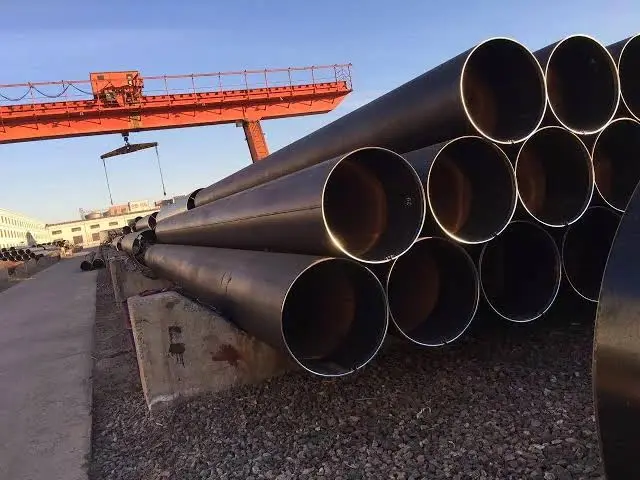
Procurement Considerations for Hot Dipped Galvanized Carbon Steel Pipes
Evaluating Supplier Qualifications and Certifications
Supplier selection affects product quality, shipping reliability, and project success. ISO 9001-certified manufacturers exhibit quality management throughout production. This certification evaluates supply tracking, process regulation, inspection, and problem-solving processes. Key infrastructure safety measures are essential.
Industry-specific certifications add security. The National Iranian Oil Company, Abu Dhabi National Oil Company, and Petrobras have extensively verified their suppliers' product production, quality control, and supply chain stability. These certifications often follow strict rules. Products with CE certification in Europe and GOST-R approval in former Soviet nations meet local norms.
Experience in manufacturing influences product consistency and problem-solving. Suppliers with at least 30 years of experience have gone through numerous business cycles, improved their procedures, and gained institutional knowledge to avoid quality failures. Since 1983, JS FITTINGS has been manufacturing high-quality piping components. We now supply seamless and welded pipes with specialized galvanizing solutions for global water infrastructure projects.
Customization Capabilities and Technical Support
Water infrastructure projects seldom follow catalogs. Customized sizing, testing, or various end preparations improve project efficiency. For dimensions from DN15 (1/2 inch) to DN2000 (approximately NPS 80), one-stop vendors simplify purchase and planning. Engineers may specify wall thicknesses to create plans that operate well for different pressure and load situations instead of utilizing standard schedules that may be too big or small.
Transactional suppliers don't give technical help like strategic partners. Expert vendors can help select materials based on water chemistry, propose advanced coating systems, and optimize specifications to improve performance or save costs. This consulting approach is excellent for wholesalers and smaller technical enterprises facing new applications.
Sample production and small-batch trials enable project teams to evaluate materials before large purchases. This risk-reduction strategy helps create requirements or verify system compatibility to enhance projects.
Pricing Dynamics and Total Cost of Ownership
Average galvanized pipe costs depend on steel and zinc prices. Global supply and demand set steel prices, whereas mining and industrial demand set zinc prices. Buyers may plan and negotiate better knowing market forces. Bulk buying saves money. Discounts of 10–15% are normal for purchases above 100 tons.
Transportation expenses affect delivery prices, especially for large-diameter pipes with low freight density. Due to reduced import taxes and product prices, local companies may provide competitive delivery costs even with higher base pricing. If base price advantages balance logistical charges, imported pipe from established manufacturing areas may cost less but take longer. Total delivered cost, not FOB price, compares costs correctly.
The most thorough economic picture is lifetime cost analysis. Cheaper pipes with thinner zinc coatings may need to be replaced more often, raising ownership costs but being cheaper to buy. High-quality ASTM A53-compliant pipe with an adequate hot-dip galvanized coating costs more upfront but lasts longer between service visits, decreasing the system's lifetime cost of ownership. To get the cheapest option, divide net present value by expected service life.
Logistics and Delivery Reliability
Late material deliveries influence project planning. Suppliers with sufficient inventory can ship common sizes in days, speeding up work. Depending on order complexity and manufacturing queue level, custom fabrication takes four to eight weeks. Being aware of these dates during project planning reduces delays.
Manufacturing capacity impacts suppliers' ability to meet project objectives without sacrificing quality or lead time. The factories that export over 90 containers and produce 800 tonnes of pipe fittings and 700 tonnes of flanges each month have the equipment and staff for huge projects. Since 95% of deliveries are on schedule, operational management and logistics are crucial to project success.
Responsive communication accelerates problem-solving and keeps projects on track. Suppliers that guarantee hourly response times demonstrate customer service and project management. This responsiveness is crucial when ground conditions need specification refinement or fast packing to preserve vital project schedules.
Conclusion
Hot-dipped galvanised carbon steel pipe has been used for years in water supply systems in cities, factories, and other infrastructure projects. The mix of structural strength, resistance to corrosion, and economic value meets the main procurement goals of lowering lifetime costs, making sure safety rules are followed, and keeping stable long-term operation. By knowing the details of the materials, how they are made, and how they are checked for quality, you can make smart purchasing choices that will improve the results of your project. Galvanized pipe is still an important part of delivering water reliably to homes, businesses, and industries across the United States, even though water infrastructure is changing with better coating systems and smart technology being added.
FAQ
1. Is hot-dip-galvanized pipe safe for potable water applications?
For more than one hundred years, hot-dip-galvanized pipe has been used in city water systems to carry drinking water. NSF/ANSI Standard 61 says that the zinc coating is safe for drinking water and is not toxic. The chemistry of the water has a big effect on performance. Water that is neutral to slightly alkaline and moderately hard is ideal. Waters with a pH below 6.5 or that are very soft can speed up the breakdown of zinc, which could change the taste and cause the layer to wear off too quickly.
2. What service life can we expect from galvanized pipe in water systems?
Service life depends on the type of water, the state of the land, and how well it was installed. Water systems in cities that have a neutral pH level usually last between 30 and 50 years. Waters that are rough or have a low pH or a lot of salt may shorten life to 20 to 30 years. Service life is greatly increased by proper installation, which includes suitable pipe lining, cathodic protection when needed, and separation from metals that are not the same.
3. How does pricing compare between seamless and welded galvanized pipe?
When the diameter is more than 6 inches, welded pipe usually costs 15 to 30 percent less than seamless pipe of the same size. As the diameter increases, the price difference grows because making seamless pipes costs more and more. For water uses below 300 psi, high-quality welded pipe works just as well at a much lower cost, making it the most cost-effective choice for most commercial and city systems.
Partner with JS FITTINGS for Your Galvanized Pipe Requirements
As an industrial carbon steel pipe manufacturer that works on water infrastructure projects all over the world, JS FITTINGS has more than 40 years of experience. Our thorough quality management system, which is backed by ISO 9001, CE, GOST-R, and certification from major international energy companies, makes sure that every shipment of our products is always reliable. We keep up a production capacity of more than 30,000 tonnes per year, putting out 800 tonnes of pipe fittings and 700 tonnes of flanges every month to help with projects ranging from small city expansions to large industrial installations. Our expert team responds to customer inquiries within one hour and can help with specifications, choosing materials, and making unique solutions from DN15 to DN2000.
We offer galvanized pipe that meets ASTM A53, A106, API 5L, and international standards. The coatings we offer include standard zinc, 3PE, and FBE so that we can meet the needs of your unique application. Our 98 percent customer repurchase rate and 95 percent or more on-time delivery rate show that we are operationally reliable, which keeps projects on schedule. Email our skilled staff at admin@jsfittings.com to talk about your water supply system needs and find out how our production skills, quality control, and customer service can help you meet your procurement goals as a reliable provider of carbon steel pipes for the industry.
References
1. American Water Works Association. (2014). Steel Pipe—A Guide for Design and Installation (M11, Fifth Edition). Denver: AWWA.
2. ASTM International. (2018). ASTM A53/A53M-18: Standard Specification for Pipe, Steel, Black and Hot-Dipped, Zinc-Coated, Welded and Seamless. West Conshohocken: ASTM International.
3. American Galvanizers Association. (2016). Hot-Dip Galvanized Steel for Water Transmission and Distribution Systems. Centennial: American Galvanizers Association.
4. National Association of Corrosion Engineers. (2015). Corrosion Control in Potable Water Systems (NACE Report 35115). Houston: NACE International.
5. API Specification 5L. (2018). Specification for Line Pipe (Forty-Sixth Edition). Washington: American Petroleum Institute.
6. Barlo, T.J. and Zoccola, J.C. (2012). Corrosion of Carbon Steel Pipe in Municipal Water Supply Systems: Historical Background and Performance of Protective Coatings. American Water Works Association Research Foundation Report Series.
Send Inquiry
You may like
Related Industry Knowledge
- Role of API 5L Seamless Steel Line Pipe in Marine Industries
- Choosing the Right Size Long Radius Buttweld Elbow for Your Project
- The Ultimate Guide to Slip-On Flanges: Exploring Applications and Benefits
- FBE Coated Steel Pipe: The Ultimate Guide (Process & Specs)
- How to Select a Buttweld Reducer for Process Piping?
- Lap Joint Pipe Flanges: How and When to Use Them
- How to Select the Right Buttweld Bend Radius (3D–20D)
- What is a threaded flange?
- Does ASME require hydrotesting for a blind flange?
- Where can I buy carbon steel pipe?