
What Does ASME B16.5 Mean for Pipe Flange and Flange Fittings?






2026-07-15 11:01:14
The American Society of Mechanical Engineers set ASME B16.5 as the complete standard for pipe flanges and flanged fittings for sizes ranging from NPS 1/2 to NPS 24 and pressure classes from 150 to 2500. By laying out exact requirements for materials, sizes, tolerances, and pressure-temperature ratings, this standard makes it possible for global manufacturers to work together without any problems. Understanding this standard is important for procurement professionals in charge of industrial projects because it helps them lower project risks by using standardized integrity ratings to prevent catastrophic leakage in high-pressure piping systems. The ASME B16.5 carbon steel flange is designed to fit forged carbon steel connectors that are made to ASTM A105 or A350 LF2 specifications. It provides leak-proof sealing in power plants, refineries, and chemical plants where system reliability has a direct effect on operational safety and cost control.
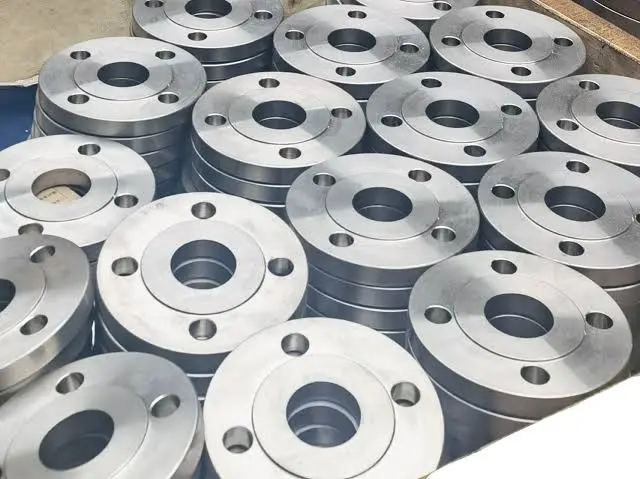
Understanding ASME B16.5 Carbon Steel Flanges: Specifications and Types
Defining Carbon Steel Flanges in Industrial Piping Systems
ASME B16.5 carbon steel flanges are forged connectors designed to bridge pieces of pipe or equipment. They are the critical connection components in process piping systems in chemical plants and factories. In pressurized systems, where failure could mean expensive downtime or safety issues, these parts provide permanent seals that can't leak.
Forged construction gets rid of the internal defects that are common in cast products. This makes sure that the flange keeps its seal even when it is heated and cooled many times, which is common in steam lines and petroleum transport applications. Material grades that meet ASTM A105 have a high tensile strength that is good for general utility uses. On the other hand, A350 LF2 variants are tougher in low-temperature environments (down to approximately -46°C), meeting the demands of low-temperature processing and cold climate installations.
Key Specifications and Pressure Ratings
The technical architecture includes seven pressure classes: 150, 300, 400, 600, 900, 1500, and 2500, although Class 400 availability depends on the flange size and specification requirements. These ratings determine the flange thickness and the sizes of the bolts that are necessary to keep the system safe. Class 150 flanges can handle working pressures of up to 285 psi at approximately 100°F (38°C) and can be used to distribute water and low-pressure steam.
Class 300 versions can handle 740 psi, which is enough for modest hydrocarbon handling. Higher classes, like 900 and 1500, are used for supercritical tasks in power plants where the main steam lines are heated above 500°C. CNC-drilled bolt holes and machined faces give the pieces precise dimensions that allow for quick assembly on-site and proper alignment with mating equipment. This cuts installation time by 30–40% compared to options that have to be prepared by hand. The surfaces are finished with standard serrated specs (AARH 125–250) that make them better at gripping gaskets. This creates the micro-texture that soft gaskets need to effectively stop fluid movement when they are compressed.
Overview of Flange Types and Their Applications
The standard covers a number of different designs, each of which meets different operating needs:
- Weld neck flanges have tapered hubs that transition stress gradually from the flange face to the pipe wall. This makes them perfect for high-temperature and high-pressure situations like those in refinery cracking units. The full-penetration weld makes the structure very strong by getting rid of any weak spots that could cause wear cracks when the pressure is cycled.
- Slip-on flanges let pipes slide into the flange hole before fillet welding, which makes it easier to line up the pipes when they are being installed in the field. For lower-pressure uses in water treatment plants and HVAC systems, where ease of building is more important than maximum power, these are a good value.
- Blind flanges are solid covers that can be used to end pipe runs or separate equipment for maintenance. Unlike welded caps, these can be taken off, which makes pipeline growth projects and regular cleaning possible without having to cut pipe sections.
- Socket weld flanges are used for small-bore pipes (usually 2 inches or less) where there isn't enough room to join. The socket design places the pipe inside, making sure there is enough space for thermal expansion while keeping instrumentation runs small.
- Lap Joint Flanges: Pairing with stub-end fittings, the bolt holes can rotate to make alignment easier. This is especially helpful when joining fixed equipment flanges that don't have standard angles. It's easier to make changes in the field when there are a lot of pipes in a tight space because the backing flange can rotate freely.
Knowing these differences helps project engineers choose the right configurations that balance the needs of the structure with the limitations of installation space and budget.
Authentication Through Markings and Certifications
By checking the validity of flanges, purchase teams can avoid buying fakes that could damage the system. Real ASME B16.5 flanges have permanent marks that say who made them, the material grade (like A105), the pressure class, and the standard pipe size. Heat numbers stamped on the flange sides make it possible to track back to mill test records that list the chemical make-up and mechanical qualities that were confirmed by optical emission spectroscopy (OES) and tensile testing.
Material test records that show an ASME B16.5 carbon steel flange meets ASTM standards should be requested by procurement managers, along with inspection reports from a third party, such as TÜV or Lloyd's Register. Visual inspection methods find warning signs like uneven surface porosity, inconsistent machining quality, or lack of identification markings that show poor manufacturing. Setting up supplier qualification procedures that check for ISO 9001 certification and look over production facility reports makes it harder to get materials that don't meet standards, which could lower the project's safety margins.
Comparing ASME B16.5 Carbon Steel Flanges with Other Flange Standards and Materials
Material Property Comparisons: Carbon Steel vs. Stainless Steel
When it comes to cost, carbon steel flanges are usually more economical than stainless steel ones. They are often 40–60% less expensive per unit and can provide reliable service in non-aggressive environments when appropriate corrosion protection measures are applied in non-aggressive settings like freshwater systems and dry gas handling. The better thermal conductivity of the material makes it easier for heat to escape in steam uses, preventing hot spots that could speed up seal degradation.
Stainless steel options (ASTM A182 F304/F316) have the right amount of chromium and nickel to prevent corrosion in acidic condensates and chloride-containing fluids that are common in chemical processing and coastal sites. When engineers choose a material, they have to weigh the initial costs of purchase against the costs that come up over the course of its lifetime. For example, carbon steel may need protective coatings in environments that are corrosive, which could cancel out any initial savings over a 20-year service window.
ASME B16.5 vs. International Standards (API, DIN)
API 6A flanges for wellhead equipment commonly use ring-type joint (RTJ) facings for high-pressure applications. These are intended to seal metal to metal under the high pressures that are common in drilling, which can be over 15,000 psi. The unique profile makes focused stress zones that push gaskets into grooves and keep seals in place even when pressure changes and vibrations happen.
DIN and EN flange standards commonly use metric dimensions and PN pressure designations, which makes it hard to connect equipment from different regions. ASME B16.5 is widely used in North American and Middle Eastern markets; it has become the de facto standard for foreign EPC companies. It makes procurement easier by making parts available everywhere and allowing them to be swapped out across borders. Standardizing on ASME specifications can help projects that span multiple areas keep their inventory simpler and avoid the expensive changes that need to be made in the field when different flange standards need to be mated.
Performance Under Extreme Conditions
When used at high temperatures, material selection criteria show what the difference is between good specifications and great choices. Up to about 425°C, carbon steel flanges keep their structural integrity. After that, they start to slowly deform, which could lead to bolts loosening and seals failing. Chrome-moly alloy alternatives (ASTM A182 F11/F22) can withstand temperatures up to 565°C thanks to alloying elements that don't break down slowly.
This makes high-integrity Weld Neck (WN) flanges mandatory for supercritical boilers and catalytic cracker units where cyclic thermal stresses are extreme.Carbon steel may experience reduced toughness at low temperatures, depending on the material grade, composition, and impact testing requirements; it poses an embrittlement risk because it could break catastrophically under impact loading during cold starts. This weakness is fixed in the ASTM A350 LF2 material specification by controlling the amount of nickel in the material and treating it with normalized heat. This makes sure that the A350 LF2 is commonly specified with minimum impact toughness requirements, such as Charpy V-notch testing at low temperatures, which is very important for LNG terminals and refrigeration plants where temperatures regularly drop below freezing.
Procurement Insights: Buying ASME B16.5 Carbon Steel Flanges for Your Projects
Supplier Qualification Criteria
Checking manufacturing certifications that show systematic quality control is the first step in finding reliable suppliers. With ISO 9001 approval, there are written rules for how to make things, track materials, and handle problems that don't meet standards. Suppliers who have approvals from big oil companies, like qualification listings with the National Iranian Oil Company, the Abu Dhabi National Oil Company, or Petrobras, have had their facilities thoroughly inspected to make sure they meet strict international standards for quality control and production.
Looking at a supplier's customer references can help you figure out how reliable their delivery is and how quickly they can adapt to changes in the project. Procurement teams should give more weight to manufacturers who have advanced testing equipment like optical emission spectrometers to check the material, ultrasonic equipment to find flaws inside the product, and coordinate measuring machines to verify dimensional accuracy according to specification requirements.
Pricing Structures and Lead Time Planning
Prices for flanges change a lot depending on the pressure class, size, and number of orders. As a general rule, Class 150 flanges in common sizes (NPS 4–12) are highly cost-effective compared to high-pressure classes. However, Class 900 variants or large-bore configurations (NPS 20+) cost more than $500 per unit because they are made of more complicated materials and are harder to machine.
Volume discounts usually start at orders of 100 pieces and save you 12 to 18% compared to small-lot pricing. Standard lead times for products range from two to four weeks for stock sizes kept by established dealers to six to ten weeks for factory-direct orders that need to be scheduled for production. Custom specifications with non-standard sizes or coatings may take 12 to 16 weeks, so you need to start buying things early in the planning stages of a project to avoid delays that affect the critical path.
Customization Options and Global Logistics
Manufacturers who have their own engineering departments can change standard designs to fit the needs of a specific project. For example, they can change the direction of the bolt holes, add special finishes to the flange face, or protect the metal with hot-dip galvanizing or epoxy lining. These customization services help with brownfield retrofit projects where the existing equipment interfaces make connection needs that aren't standard.
For global delivery logistics to work, production plans and shipping dates for containers must be coordinated, and skilled suppliers must handle export paperwork like commercial invoices, packing lists, and certificates of origin that are needed for customs clearing. By making the best use of containers, suppliers offering consolidated shipping services can help lower overall freight costs. Suppliers that keep regional warehouse networks in key markets allow for split deliveries that support phased construction schedules without having to pay full-order storage costs at remote project sites.
Conclusion
When procurement professionals and project engineers understand the ASME B16.5 specifications, they can make decisions that balance performance needs with budget limits. The standard's thorough framework that covers materials, dimensions, and pressure ratings gets rid of any doubts about compatibility and helps the global supply chain work more efficiently. When made to these standards, carbon steel flanges have been shown to be reliable in a wide range of industrial settings, from basic utility services to complex manufacturing processes. To do a good job of buying, you need to make sure the seller is qualified, know what the pressure class means, and choose the right flange configurations for the job. By focusing on certified products from well-known brands, companies lower project risks and guarantee long-term operational integrity, which lowers the total cost of ownership through longer service life and reduced maintenance requirements.
FAQ
1. What materials are used in ASME B16.5 carbon steel flanges?
For standard temperature purposes, carbon steel flanges that meet ASME B16.5 mostly use ASTM A105 forged carbon steel, which requires a minimum tensile strength of approximately 485 MPa and is good for basic industry uses. For low-temperature uses, ASTM A350 LF2 material with controlled chemical composition and notch toughness requirements is required. This material retains exceptional impact toughness at temperatures as low as -46°C, making it ideal for low-temperature applications and cold climate facilities.
2. How can compliance certification be verified?
Genuine flanges have permanent marks that show the maker, material grade, pressure class, and heat number. This makes it possible to connect them to mill test records. Ask for material test certificates that show the chemical make-up and mechanical properties that have been checked in a lab. Third-party inspection certificates from organizations like TÜV or Lloyd's Register give extra proof that the product is made well and meets the requirements.
3. What are typical delivery lead times?
Standard sizes that are kept in stock by distributors usually ship within two to four weeks. Orders placed directly with the factory, on the other hand, take six to ten weeks to schedule and manufacture. Custom specifications like non-standard sizes or special coatings can make lead times 12 to 16 weeks longer, so you need to plan your purchases early to keep your project on track.
Partner with JS FITTINGS for Certified ASME B16.5 Carbon Steel Flange Solutions
For more than 40 years, JS FITTINGS has been making high-quality industrial pipe parts. They can provide approved ASME B16.5 carbon steel flanges that meet the strictest requirements. Our ISO 9001-certified facility processes more than 700 tonnes of flanges every month and delivers them 95% of the time or more, which helps you stick to your project schedules. Major energy companies like NIOC, ADNOC, and Petrobras have certified us as a qualified seller. This shows that our quality processes and expert skills are up to par. Our wide range of products includes Class 150 to 2500 sizes from DN15 to DN2000. We use high-tech testing tools like spectral analysers and ultrasonic flaw detectors to make sure that every flange meets the standards. Our skilled team can help you with technical questions and quick service, whether you need standard slip-on flanges or custom weld neck configurations in A350 LF2 low-temperature material. Email our ASME B16.5 carbon steel flange supplier team at admin@jsfittings.com to talk about your needs and get detailed quotes that come with full material certifications and test documentation.
References
1. The Society of American Mechanical Engineers. (2021). ASME B16.5: Pipe Flanges and Flanged Fittings NPS 1/2 through NPS 24 Metric/Inch Standard. New York: ASME Press.
2. ASTM International. (2020). ASTM A105/A105M Standard Specification for Carbon Steel Forgings for Piping Applications. West Conshohocken: ASTM International.
3. ASTM International. (2019). ASTM A350/A350M Standard Specification for Carbon and Low-Alloy Steel Forgings, Requiring Notch Toughness Testing for Piping Components. West Conshohocken: ASTM International.
4. Engineering by Becht. (2018). Flange Joint Assembly: Best Practices for Bolted Connections in Process Piping. Houston: Technical Publications Division.
5. Singh, R.K., & Solanki, V.S. (2017). Material Selection and Design of Pressure Vessel Components. New Delhi: Springer India.
6. Nayyar, M.L. (2016). Piping Handbook (8th ed.). New York: McGraw-Hill Education.
Send Inquiry
You may like
Related Industry Knowledge
- Carbon Steel Buttweld Reducer Material Standards Explained
- Choosing the Right Size Long Radius Buttweld Elbow for Your Project
- What is an API 5L Seamless Steel Line Pipe?
- Carbon Steel Forged Steel Flange in Oil, Gas & Power Plants
- Why Engineers Choose Buttweld Bend Over Mitered Bends?
- ASME B16.9 Buttweld Tee Dimensions and Weight Guide
- What is a threaded flange?
- How to Choose the Right Buttweld Elbow for High-Pressure Piping
- Butt Weld Pipe Reducer Applications in Oil and Gas Systems
- What is carbon steel pipe used for?