
Custom Steel Flange: all the information worth knowing






2026-07-15 11:01:20
Custom steel flanges are necessary when the precision of your piping system exceeds what off-the-shelf products can provide. Standard ASME or DIN interfaces can't handle these unique shapes, harsh operating environments, or legacy equipment that is incompatible with modern systems.For more than 40 years, JS FITTINGS has been making forged steel flanges that are exactly what our clients want. These flanges have solved connection problems in pipelines, offshore platforms, and power plants around the world. This detailed guide gives industrial buyers, EPC contractors, and project engineers the technical information they need to choose, buy, and install custom flange solutions that keep downtime to a minimum, meet safety standards, and last a long time.
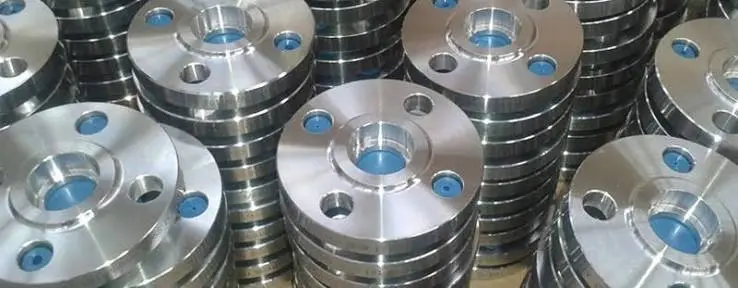
Understanding Custom Steel Flanges
What Makes a Flange "Custom"?
A custom steel flange is different from normal catalog items because it is made with design changes made by the customer in mind. Standard flanges generally follow dimensions specified in standards such as ASME B16.5, ASME B16.47, or EN 1092-1. However, custom variants can be made to fit specific bolt patterns, non-standard bore diameters, or hub profiles. For example, these changes make it possible to connect pieces of equipment that don't fit together during plant expansions, fit into machinery housings with limited room, or meet special pressure requirements beyond standard Class 2500 ratings for deep-sea applications.
Our manufacturing process starts with CAD files provided by the client or measurements taken reverse-engineered from existing installations. This method has been very helpful for distributors who have to work with old equipment because the original manufacturers no longer exist and for government projects that need exact replacements for old pipeline networks.
Core Material Grades and Performance Characteristics
The choice of material has a direct effect on the total cost of ownership and the service life. Carbon steel flanges made from ASTM A105 are still the most common type of flange used in industrial pipes because they are easy to weld and provide reliable mechanical performance in many industrial applications. We use A350 LF2 low-temperature carbon steel with improved Charpy impact values for jobs involving low-temperature service below -20°F. Sour gas applications require additional material requirements such as NACE MR0175/ISO 15156 compliance.
Different types of stainless steel (A182 F304/F316) can handle corrosive media in chemical processing and marine settings. For high-temperature steam systems in power plants, alloy steel types F11 and F22 offer resistance to creep. Duplex and Super Duplex (F51/F53) materials are very good at resisting pitting in offshore seawater injection systems. Their higher cost is justified by the fact that they need less maintenance.
Manufacturing Methods: Forging vs. Casting
Our main product line is carbon steel forged flanges, which have a better grain structure and better mechanical integrity. Forging is the process of applying direct pressure to heated steel billets. This improves the grain flow and gets rid of any internal defects inside the steel. Forged parts can handle sudden changes in temperature and pressure without getting stress cracks, which is very important in situations where failure could cause damage to the environment or hurt workers.
Unlike cast flanges, which could have gas pockets or holes in them, our forged products are tested using ultrasonic waves according to ASTM A388 to make sure they are solid on the inside. The refined grain structure can improve fatigue resistance and reliability, especially in applications involving cyclic loading, which is important for pumps that are vibrating or pipelines that are affected by water hammer. Then, CNC machining centers finish all the sealing surfaces to very close tolerances for flatness. This makes sure that the gaskets compress evenly across the whole contact area.
Key Technical Considerations for Custom Steel Flanges
Dimensional Precision and Pressure Ratings
To make accurate specifications, you must first know what your working range is. Pressure class numbers (150 to 2500 according to ASME B16.5 or PN names according to EN standards) tell you the highest pressure that can be used at certain temperatures. When the temperature goes below 400°F, the allowable working pressure of an ASME Class 300 flange decreases as the operating temperature increases. This pressure-temperature derating is a critical factor when choosing custom steel flanges for hot oil or steam systems.
When installing something in the field, dimension margins become very important. For important jobs, we maintain tight bolt-hole alignment tolerances according to approved drawings and project requirements, while standard products can handle a tolerance of ±1.6mm. This level of accuracy gets rid of the pain of misplaced bolt patterns during shutdowns, when every hour of delay costs thousands of dollars in lost production. Coordinate measuring tools (CMM) are used by our quality control system to make sure that every custom flange matches up with approved plans before it is shipped.
Sealing Surface Engineering
The design of the custom steel flange face determines how well it stops leaks when it's in use. When the pressure is moderate, raised face (RF) configurations work well for standard gasket materials. Ring Type Joint (RTJ) grooves are needed above Class 900 or in places with a lot of vibration. They are made of precision-machined metal rings that deform plastically to form metal-to-metal seals. Tongue and Groove (T&G) designs prevent gasket blowout in situations with dangerous media.
Specifications for the surface finish are also important. Finishes with serrations between 125 and 500 microinches Ra help mechanical gaskets grip, while finishes less than 63 microinches Ra are better for PTFE or graphite materials. Our CNC finishing processes can make custom groove shapes for O-ring seals used in vacuum chambers or clean-in-place systems for pharmaceuticals that need to be FDA-compliant.
Installation Best Practices
If you tighten the bolts in the right order, the seal won't warp or squeeze unevenly. We suggest tightening in a star pattern over several passes, gradually increasing the torque until it reaches the calculated value based on the type of bolt and gasket. By lubricating the threads on bolts, you can make sure that the pressure you apply is correctly translated into binding force. Do not over-torque, as this can damage flange hubs and crush gaskets, making them less effective at sealing.
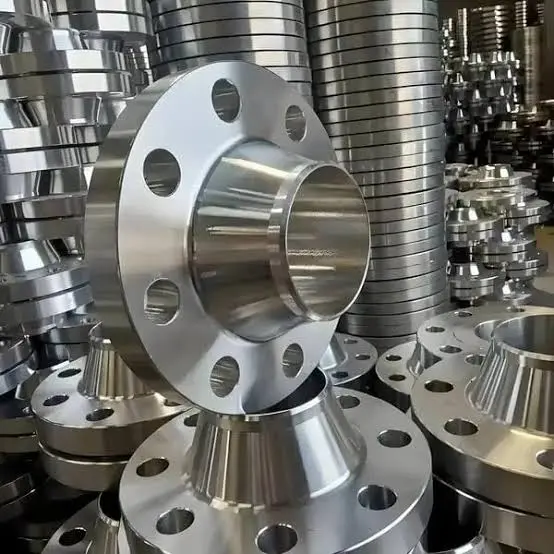
To join neck flanges, you need skilled welders and proven ways to weld. The slow taper moves stress from the pipe to the flange hub easily, but if you don't use enough heat when welding, you can make hard spots that are easy to crack. We give you material certifications that include carbon equivalent values. This lets your welding engineers figure out how much preheat they need and what the interpass temperatures should be to avoid metallurgical defects.
Comparing Custom Steel Flanges: Insights for Decision Making
Custom vs. Standard: When Customization Justifies Cost
Most of the time, standard flanges ship faster and cost less because they come from stock at a distributor. Customization takes more time for engineering, changes to the tools, and longer lead times (4–8 weeks). Purchasing custom steel flanges is a good choice when:
- Standard sizes don't fit because of limitations in the equipment.
- The required pressure ratings or temperatures are higher than what is listed in the catalog.
- The material requirements call for special alloys that aren't available in stock.
- The project requirements require proprietary designs to protect the designer from liability.
We've worked with medium-sized engineering firms that didn't want custom prices at first but later saw the hidden costs of field changes. Cutting and rewelding standard flanges to fix connections that aren't lined up right takes a lot of time and can cause weld flaws. One oil distributor found that installing properly sized custom flanges cut their installation time by three days per connection point, which more than covered the extra cost because the project was finished faster.
Material Selection Impact on Lifecycle Costs
Forged carbon steel flanges are the least expensive up front and can still be used in 80% of industrial settings. In corrosive environments, protective coatings like black lacquer and galvanizing only slow down the breakdown; they don't stop it completely. A chemical plant that uses carbon steel for a dilute acid service might need to replace it every 8 to 10 years. On the other hand, 316 stainless steel, which costs more up front, will last for 25 years or more.
When working temps go above 650°F, alloy steel starts to be cost-effective. Even though the cost of the material is two to three times higher than that of carbon steel, the ability to work at higher temperatures often eliminates the need for expensive cooling systems or frequent replacements because of creep deformation. We help buying teams figure out the total cost of ownership by taking into account how often things need to be replaced, how much it costs to shut down, and the risk of safety incidents.
Forged vs. Cast: Reliability Under Stress
Casting is suitable for low-pressure utility and non-critical applications, but poses significant structural risks for critical services like OEM carbon steel forged flanges. It is natural for the solidification process to leave behind an uneven grain structure and possible shrinking gaps. Even though casting technology has gotten better over the years, ultrasonic testing can reveal internal defects such as shrinkage cavities or porosity that may occur during casting. These are flaws that might not break right away, but get worse over time when they are loaded and unloaded.
This variation is taken care of by our forging method, which uses controlled distortion at high temperatures. Grain flow follows the shape of the flange, naturally strengthening areas with a lot of stress, like around bolt holes and hub changes. Forged products are designed to meet or exceed the minimum ASME requirements when properly manufactured and tested. This adds the safety factor that is needed when flanges contain dangerous gases or chemicals.
Sourcing and Procurement of Custom Steel Flanges
Evaluating Supplier Capabilities
A reliable way to buy custom steel flanges depends on more than just price quotes from manufacturers. Make sure the seller has the right licenses for your business, like API 6A for wellhead equipment, NACE MR0175 for sour service, or PED compliance for installations in Europe. Material traceability is now a must: ask for Mill Test Certificates according to EN 10204 3.1 or EN 10204 3.2 when third-party or customer-authorized inspection is required, and include heat numbers that can be linked to steel mill chemistry records.
When projects get bigger, production capacity is important. Our 7,000-square-meter manufacturing facility at JS FITTINGS produces 800 tonnes of pipe fittings and 700 tonnes of flanges every month and ships more than 90 containers to customers around the world. This number capability makes sure that we can handle sudden order increases without affecting delivery times, which is very important for EPC companies that have to meet deadlines or face penalties for not finishing projects on time.
Minimum Order Quantities and Lead Time Management
For custom production, the minimum order size is usually between 10 and 50 pieces, but we've been able to work with smaller amounts for urgent retrofit jobs. There are different parts of the lead times: engineering (one to two weeks for approval of drawings), getting the materials (2 to three weeks for special alloys), forging and machining (2 to three weeks), and quality inspection (1 week). With faster handling, rush orders can cut wait times by 30%, but the cost goes up by the same amount.
Smart people who work in procurement place blanket orders for what they think they will need over the next year, taking small packages as needed. This method locks in prices, guarantees the availability of materials, and lets payments be made in stages that match project goals. We keep track of inventory using systems that work with VMI (Vendor Managed Inventory) arrangements for big distributors. These systems automatically restock based on how much is used.
Global Logistics and Quality Assurance
Damage and delays are possible when sending goods across international borders. Our system for packaging uses plywood cases that are blocked on the inside to protect the flange faces while they are being handled and keep moisture out while they are being shipped by sea. Surface treatments like oil coating, VCI wrapping, and galvanizing make sure that products are ready to install, even after months of being in humid places.
A pre-shipment inspection keeps the job site from being surprised. Before the goods leave our facility, third-party inspection groups like SGS or TÜV can check the sizes, material certifications, and NDT results before dispatch. It would be highly expensive to find out about non-conforming goods after they've been shipped halfway around the world, so this investment of 2% to 3% of the order value is worth it. Over 95% of the time, we deliver on time, and less than 0.5% of customers have problems. This is a performance that has been maintained over 43 years of production experience.
Conclusion
Custom steel flanges solve connection problems that can delay projects, make them unsafe, or make them less reliable over time. A good buying process strikes a balance between accurate technical specifications and qualified suppliers. This makes sure that parts come on time and work as planned for their entire service life. At JS FITTINGS, we use forged construction, which has metallurgical benefits that keep failures from being catastrophic in high-stakes situations like chemical processing plants and offshore platforms. Working with an experienced custom manufacturer can turn possible problems in the field into engineered answers when normal catalog goods can't meet your size, pressure, or material needs. Buying custom flanges that are properly specified and quality-certified pays off in the long run by cutting down on installation time, preventing leak maintenance, and avoiding unplanned shutdowns that cost a lot more than the original savings on parts.
FAQ
1. What factors should I consider when specifying custom flanges?
Find out what your full operating envelope is, including the pressure range, temperature range, corrosiveness of the media, and cyclic loading conditions. If you are retrofitting, give the measurements of the old equipment, such as the bolt circle width, the number of bolt holes, and the bore size. Based on the rules in your business, list the material certifications and inspection levels that are needed. For example, testing for oil and gas uses is usually tougher than testing for general industrial use.
2. What are typical lead times for custom flange production?
Standard custom steel flange orders take 6 to 8 weeks to ship from the time the drawing is approved. This time includes getting the materials, forging, machining, inspecting, and treating the surface. Mill delivery may take an extra two to three weeks for rare materials like Duplex and Hastelloy. With faster handling, rush output can cut lead times to four to five weeks, but it costs 15% to 25% more. Early involvement in planning a project keeps it on track and avoids delays.
3. How do I verify compliance with international standards?
Manufacturers with a good reputation give Mill Test Reports (MTRs) that show the chemical makeup and mechanical qualities that can be linked to heat numbers. Certifications from outside groups like Lloyd's Register or Bureau Veritas make sure that the manufacturing process follows the rules. For important uses, ask for witness testing so that your inspectors can see the pressure testing, NDT examination, and dimensional proof before the shipment is authorized.
Partner with JS FITTINGS for Precision-Engineered Flange Solutions
With 43 years of experience in manufacturing, JS FITTINGS brings expertise to every partnership with a custom steel flange manufacturer. Our ISO-certified facility answers technical questions within an hour, and we have an experienced engineering team that turns complicated specifications into accurate production drawings. Our quality systems have been approved by national oil companies like NIOC, ADNOC, and Petrobras, and our materials are certified to meet ASME, DIN, and JIS standards. Around 1,500 tonnes of monthly production and 90 or more container shipments every month mean that we can grow with your project needs while still delivering 95% or more of the time. Whether you need 20 transition flanges for a power plant retrofit or 500 anchor flanges for an offshore development, you can be sure that the parts we offer will meet your needs through our OEM customization options and thorough testing protocols. Get in touch with admin@jsfittings.com right away to talk about your application needs and get a full technical plan backed by decades of field-proven performance.
References
1. American Society of Mechanical Engineers. (2021). ASME B16.5: Pipe Flanges and Flanged Fittings NPS 1/2 through NPS 24 Metric/Inch Standard. New York: ASME Press.
2. Bickford, J.H. (2018). Gaskets and Gasketed Joints, Second Edition. Boca Raton: CRC Press.
3. European Committee for Standardization. (2018). EN 1092-1: Flanges and Their Joints – Circular Flanges for Pipes, Valves, Fittings and Accessories. Brussels: CEN Publications.
4. Parrish, D.R. (2019). Pressure Vessel Design Manual: Illustrated Procedures for Solving Major Pressure Vessel Design Problems, Fifth Edition. Oxford: Butterworth-Heinemann.
5. Piping Technology & Products, Inc. (2020). Flange Selection and Design Guide for High-Pressure Applications. Houston: Technical Publications Division.
6. Zeman, J.L. (2017). Forging Industry Handbook. Cleveland: Forging Industry Association Educational and Research Foundation.
Send Inquiry
You may like
Related Industry Knowledge
- What is ASME B16.5: A Guide to ASME B16.5 carbon steel flange
- What Facing Types Suit a Carbon Steel Forged Steel Flange?
- The Ultimate Guide to Slip-On Flanges: Exploring Applications and Benefits
- Induction Buttweld Bend vs Cold Bend: Pros and Cons
- What is a buttweld elbow?
- ASME B16.9 Buttweld Tee Dimensions and Weight Guide
- Industrial Buttweld Reducer Selection for Refinery Projects
- Why Is Long Radius Buttweld Elbow Preferred in Oil & Gas?
- How to bolt to flanges with threaded holes?
- What is a blind flange?