
Large Diameter LSAW Welded Carbon Steel Pipe for Piling Projects






2026-07-21 11:31:27
When infrastructure projects demand structural reliability beneath ground level, large-diameter longitudinal submerged arc welded (LSAW) carbon steel pipes emerge as the preferred solution for piling applications. Industry carbon steel pipe in LSAW configuration offers exceptional load-bearing capacity, precise dimensional control, and weld integrity that meets the rigorous demands of foundation engineering. These pipes serve as critical structural columns driven deep into unstable soil conditions, supporting bridges, offshore platforms, high-rise buildings, and industrial facilities across challenging terrains where conventional materials fall short.
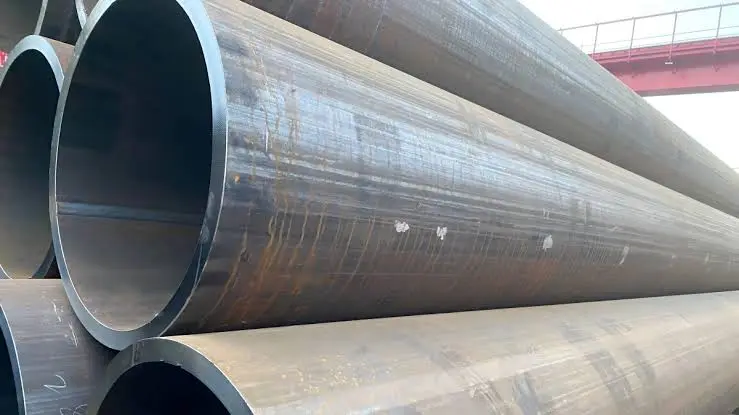
Understanding Large-Diameter LSAW-Welded Carbon Steel Pipes
Manufacturing Process and Core Characteristics
Longitudinal Submerged Arc Welded (LSAW) carbon steel pipes are made using a complex process in which steel plates are rolled into cylinders and then joined lengthwise using submerged arc welding technology. With this method, the weld seam goes all the way along the length of the pipe and is straight and even. The welding takes place under a layer of granular flux, which keeps the liquid metal clean from airborne contaminants and makes for better metallurgical bonding. Our cold-expansion method helps ensure accurate outer diameter control, which makes alignment easy during fitting and cuts down on problems in the field.
The first step in the making process is a careful review of the plates. Next, the edges are milled to make the surfaces bevelled. Automatic welding equipment makes seams on both the inside and outside of the cylinder after it has been shaped by progressive bending or pressing. We use 100% nondestructive testing (such as ultrasonic testing and/or radiographic testing) of weld seams according to project requirements to make sure the joint meets the required strength criteria of the base metal. This uncompromising quality protocol addresses the primary concern of procurement managers: getting rid of weak spots that could make the structure less stable when it's under pressure. Industry-grade carbon steel pipe in this configuration ensures maximum structural integrity.
Technical Specifications for Piling Applications
Longitudinal Submerged Arc Welded (LSAW) carbon steel pipes with a large-diameter LSAW carbon steel pipe for piling usually have wall thicknesses between 2 mm and 45 mm and outside diameters ranging from 16 inches to over 60 inches. ASTM A252 is often used for piling, API 5L grades X42 through X70 are often used for the supports of oil infrastructure, and ASTM A53 Grade B is often used for general structural uses. The chemical makeup is based on making the metal as easy to weld as possible. The carbon content is usually kept between 0.15% and 0.28%, the manganese levels between 0.60% and 1.40%, and the sulfur and phosphorus levels must be kept below 0.035% to avoid cold cracking.
Different grades have different mechanical qualities. Lower grades have yield strengths of 35,000 psi, while high-strength API 5L X70 material has yield strengths of over 70,000 psi. The tensile strength is usually between 60,000 and 100,000 psi, but this depends on the requirements. These features must be confirmed by mill test certificates that meet EN 10204 3.1 standards. This way, you can keep track of every pipe section that is delivered to your site.
Comparison with SSAW and ERW Alternatives
Although SSAW (Spiral Submerged Arc Welded) pipes are cheaper for big sizes, Longitudinal Submerged Arc Welded (LSAW) carbon steel pipes work better for piling jobs because their weld seams are straight. The lengthwise seam lines up with the directions of axial loads, which makes the distribution of compressive forces more even than with SSAW construction's helical seam pattern. This geometric benefit can improve stress distribution under certain axial loading conditions, provided that welding quality and material properties meet the project requirements.
ERW (Electric Resistance Welded) pipes are cheap for smaller diameters, but they can't be used for large-bore tasks. High-frequency welding is less reliable for sizes bigger than 24 inches, and the heat-affected zone may not get as tough as with submerged arc welding because it is smaller. ERW pipe specifications are commonly covered by standards such as ASTM A135 and other applicable product standards depending on the application, but they are usually meant for lower-pressure use instead of heavy structural loads. Industry carbon steel pipe applications often require higher reliability for demanding projects. Longitudinal Submerged Arc Welded (LSAW) technology gets around these problems by using controlled heat input and wider fusion zones that make the material more resistant to impact, which is very important for pile driving operations.
Advantages of Using Large-Diameter LSAW-Welded Carbon Steel Pipes in Piling Projects
Structural Performance Under Load
Longitudinal Submerged Arc Welded (LSAW) carbon steel pipes are very good at handling both axial compression from the weight of the building and lateral forces from moving dirt or earthquakes. Controlled cooling after welding creates a regular grain structure that lets you predict how the metal will behave when it's under stress. Different types of heat treatment, such as normalizing and stress relieving, smooth out the microstructure to make it stronger and get rid of any residual stresses that could cause cracks during pile installation.
Because the material has a high modulus of elasticity (about 29 million psi), it doesn't bend much when it's under pressure, so the structure stays in place and transfers weight efficiently for its entire life. When driving piles, where repeated hammer impacts generate stress waves through the material, impact resistance is very important. Charpy V-notch testing shows that the pipe can handle these changing loads without breaking, even in cold places where failure due to brittleness is more likely to happen. High-quality industry carbon steel pipe solutions provide the necessary safety margins for these demanding environments.
Corrosion Resistance and Protective Measures
Soil settings with bare carbon steel can rust because of water, dissolved salts, and microbes. Several ways of protecting ourselves are used to deal with this weakness. Three-layer polyethylene (3PE) covering systems, which include epoxy primers, glue layers, and polyethylene topcoats, provide strong external corrosion protection. If you use fusion-bonded epoxy (FBE) coats, they stick really well and don't come off easily, so they last longer in harsh soil chemicals.
Hot-dip galvanizing adds a zinc coating that protects by sacrificing itself; the zinc layer corrodes more quickly than the steel underneath, protecting the steel. This method works well in moderately corrosive areas where damage to the coating during installation could leave the metal bare. Cathodic protection systems, like sacrificial anodes or impressed current designs, offer extra electrochemical protection that makes piles last a lot longer in saltwater or marine environments.
Documented Performance in Infrastructure Projects
Large-diameter longitudinal submerged arc welded (LSAW) piling has been used to support large infrastructure projects worldwide. For marine terminal foundations in Gulf Coast port development projects, API 5L X60 Longitudinal Submerged Arc Welded (LSAW) carbon steel pipes are being used because they are very durable in settings with saltwater that is corrosive and hurricane-force loads. ASTM A252 Grade 3 Longitudinal Submerged Arc Welded (LSAW) piles are used to build bridges across the Mississippi River system. These piles are driven through varying riverbank conditions and have been in use for more than forty years without any structural damage.
Large-diameter longitudinal submerged arc welded (LSAW) monopiles with wall widths of 3 inches are being used more and more in offshore wind farm sites. The diameters can reach 60 inches. These large-diameter LSAW carbon steel pipes are subjected to cyclical wave loading, saltwater immersion, and turbine-induced vibrations during operation. These tests show that the material is fatigue-resistant and protects against corrosion when properly specified and coated.
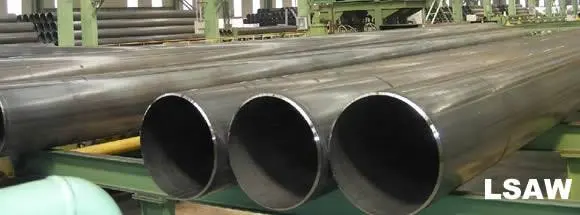
Key Considerations for Procuring LSAW Welded Carbon Steel Pipes
Material Selection and Grade Specification
Picking the right grade of material balances the needs of the project with the available funds. ASTM A252 has three strength grades that are designed to work well with pilings. Grade 1 has a minimum yield strength of 30 ksi (30,000 psi), Grade 2 has a minimum yield strength of 35 ksi (35,000 psi), and Grade 3 has a minimum yield strength of 45 ksi (45,000 psi). Higher types have thinner walls, which could lower the cost of materials and make them easier to handle, but they also cost more.
They offer grades from Grade B to X80, with X80 providing a minimum yield strength of approximately 80 ksi (552 MPa). These materials go through stricter checks on their chemical make-up and extra tests, such as Charpy impact verification at certain temperatures. Low-temperature pressure service requirements are addressed by ASTM A333 grades, which provide notch toughness requirements for low-temperature applications through controlled alloying and heat treatment. When selecting an industry carbon steel pipe, the specific environmental conditions must dictate the final grade.
When it comes to large-diameter piling, the choice between seamless and welded construction doesn't come up very often because it's not cost-effective to make pipes with sizes bigger than 16 inches. In these size ranges, longitudinal submerged arc welded (LSAW) technology works just as well as seamless pipe, as long as the welds are done correctly and fit the qualities of the base metal by using the right filler materials and welding techniques.
Dimensional Tolerances and Quality Verification
To make sure that everything fits together properly, the specs for the purchase should clearly state what kind of tolerances are allowed for sizes. Standard deviations for outer diameter are usually ±1%, and wall thickness tolerances are normally specified according to the applicable product standard, such as ASTM A252, API 5L, or project-specific requirements. For piling applications that need tight-fitting tolerances, ovality (the difference between maximum and minimum diameters) shouldn't be more than 1% of nominal diameter.
Tolerances in length affect logistics and planning for installation. Random lengths that are standard range from 20 to 40 feet, but custom lengths of up to 60 feet can be made to cut down on field welding. Cut-to-length orders get rid of waste, but they may make wait times longer. Specifications for straightness usually say that variation can't be more than 1/8 inch for every 10 feet of length. This makes sure that piles drive vertically without any deviation that makes alignment harder.
Supplier Evaluation Criteria
Before choosing a qualified supplier, you need to make sure they have more than just competitive prices. Production schedules should match up with project deadlines. Check monthly output volumes and current order backlogs to make sure delivery dates can be kept. Our plant is able to make 800 tonnes of pipe every month, and we have systems in place that can store all of a project's needs so that they can be shipped at the same time.
Getting certified shows that you are serious about quality control systems. ISO 9001 certification means that quality processes have been written down, and approvals from companies like Petrobras, NIOC (National Iranian Oil Company), and ADNOC (Abu Dhabi National Oil Company) show that the product works well in tough energy uses. These certificates come from manufacturing processes, testing methods, and traceability systems being checked by auditors.
Responsive suppliers are different from transactional vendors because they offer technical support for carbon steel welded pipe. Having access to metallurgy experts can help you figure out questions about specifications and make the best material choices. Our engineering team helps with choosing the right coating, designing rust protection, and fitting suggestions based on 43 years of industry experience in a wide range of geological and weather conditions.
Conclusion
Large-diameter longitudinal submerged arc-welded (LSAW) welded carbon steel pipes provide an excellent combination of structural performance, cost-effectiveness, and proven dependability for use in piling applications. When you mix the material's high load-bearing capacity with full protective coating systems, you get foundation options that support building projects in a wide range of weather conditions. Choosing the right material grades, making sure the supplier is qualified, and following strict quality control rules are all important for successful procurement. Together, the accuracy of Longitudinal Submerged Arc Welded (LSAW) technology and thorough NDT inspections make sure that the dimensions are correct and the welds are strong, which is very important for difficult pile installation. Utilizing a trusted industry carbon steel pipe manufacturer ensures project success.
FAQ
1. What pressure ratings apply to large-diameter LSAW pipes used in piling?
When using piles, structural loading is more common than internal pressure. This means that yield strength and compressive capacity are more useful than standard pressure values. When piles are also used as drains or ways to move fluids, pressure ratings are based on calculations from ASME B31.1 or B31.4, which are based on the thickness of the wall, the diameter, the material grade, and the temperature. With the right safety factors, API 5L X52 material with a 36-inch diameter and a 0.500-inch wall thickness can handle an internal pressure of about 1,200 psi.
2. How does the manufacturing method influence pile durability?
When Longitudinal Submerged Arc Welded (LSAW) is used instead of high-frequency ERW, the weld quality is better because the heat input is managed, the penetration is full, and the heat-affected zones are bigger. The submerged arc method effectively shields the molten weld pool from airborne contaminants, thereby significantly reducing porosity and inclusions that could compromise structural integrity.Our 100% radiographic inspection confirms the integrity of the weld, providing performance that meets the requirements of many large-diameter applications at a much lower cost for large diameters.
3. What criteria identify trustworthy bulk suppliers?
Verified certificates, such as ISO 9001, API monograms, and approval by big energy companies, show that a supplier can do what they say they can do and is committed to quality systems. Reliable partnerships have production capacity that meets project deadlines, documented testing procedures that follow international standards, and a willingness to give mill test certificates with full traceability. We are confident in our ability to meet the strict needs of your project because we bring over 43 years of manufacturing expertise and hold approvals from major energy companies like Petrobras and ADNOC.
Partner with JS FITTINGS for Your Large-Diameter LSAW Pipe Requirements
JS FITTINGS has been making specialized products for over 40 years and can help you with your piling projects by providing Industry Carbon steel pipe solutions that balance the strength of the structure with the cost-effectiveness of the purchase. Our factory can make a wide range of products that meet ASTM A252, API 5L, and ASTM A53 standards. The outside diameters can be from 1/2" to 60", and the wall thicknesses can be customized according to ASTM A252, API 5L, or project-specific piling requirements. We can meet a wide range of coating needs, such as those for 3PE, FBE, and hot-dip galvanizing, to meet your unique corrosion protection requirements.
Our dedication to quality is shown by the fact that our manufacturing processes are ISO 9001 certified, we follow full NDT inspection protocols, and we are an approved supplier for several national energy companies. We can make more than 800 tonnes of goods every month, have inventory systems that allow for staged deliveries, and have an on-time delivery performance of above 95%. This makes sure that infrastructure projects stay on schedule. Our engineering team can help you choose the right materials, get the right coatings, and install them correctly by using what they've learned from working on projects around the world.
Email our buying experts at admin@jsfittings.com to talk about the needs of your project and get full quotes that are made just for you. Industry carbon steel pipe manufacturers trust us to provide high-quality products, helpful expert support, and quick customer service that turn vendor relationships into long-term partnerships.
References
1. American Petroleum Institute, "Specification for Line Pipe: API Specification 5L," 46th Edition, American Petroleum Institute Publishing Services, Washington, D.C., 2018.
2. ASTM International, "Standard Specification for Pipe, Steel, Black and Hot-Dipped, Zinc-Coated, Welded and Seamless: ASTM A53/A53M-20," ASTM International Standards Worldwide, West Conshohocken, Pennsylvania, 2020.
3. ASTM International, "Standard Specification for Welded and Seamless Steel Pipe Piles: ASTM A252-20," ASTM International Standards Worldwide, West Conshohocken, Pennsylvania, 2020.
4. American Society of Mechanical Engineers, "Power Piping: ASME Code for Pressure Piping, B31.1," ASME International, New York, New York, 2020 Edition.
5. Brockenbrough, Roger L., "Structural Steel Designer's Handbook: AISC, AASHTO, AISI, ASTM, SAE, and ASCE Design Standards," Fifth Edition, McGraw-Hill Professional, New York, 2012.
6. Paik, Jeom Kee, and Thayamballi, Anil K., "Ultimate Limit State Design of Steel-Plated Structures," Second Edition, John Wiley & Sons Ltd., Chichester, United Kingdom, 2018.
Send Inquiry
You may like
Related Industry Knowledge
- How Custom ASTM A105N Forged Flanges Meet Specialized Requirements
- Custom Heavy Duty Forged Steel Flanges for High-Pressure Systems
- A312 stainless steel pipe – Stainless Steel Pipe Dimensions, Chemical Composition
- The Ultimate Guide to Slip-On Flanges: Exploring Applications and Benefits
- A53 ERW Pipe – Type, Grade, Performance, Tolerance, Application Full Analysis
- Carbon Steel vs Stainless Steel Buttweld Bend: Which to Use?
- Carbon Steel Forged Steel Flange Supply: China Factory Wholesale
- ASME B16.9 Buttweld Tee Dimensions and Weight Guide
- Seamless vs Welded Buttweld Tee: Which Performs Better?
- Butt Weld Pipe Reducer Applications in Oil and Gas Systems