
Slip-On Flange Uses and Applications






2026-06-18 10:13:14
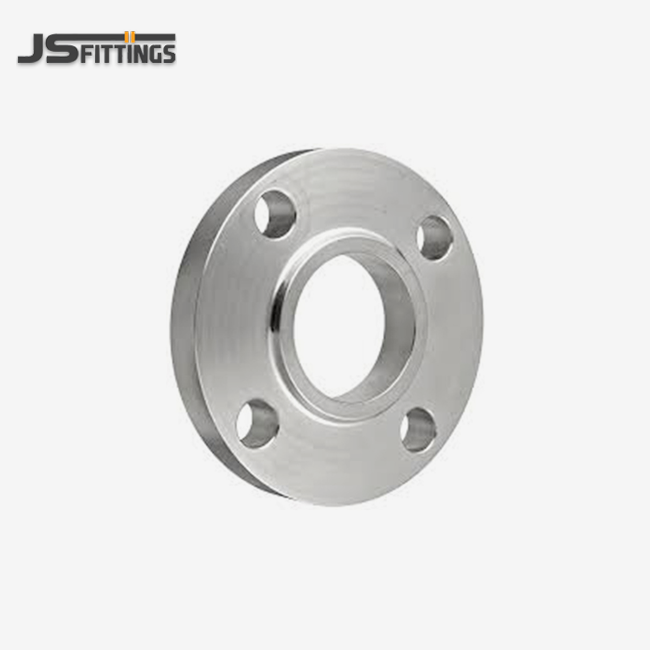
When it comes to useful and cheap ways to connect industrial pipe systems, the steel slip on flange is one of the best. Certain types of weld neck forms need to be cut and matched up with great care, but slip-on flanges don't. They stay in place with two fillet welds: one on the inside and one on the outside. They just go over the pipe's ends. It's a simple design that works well in places with low to medium pressure, like water treatment plants, HVAC systems, and light manufacturing lines. Problems with alignment are fixed, and it keeps running properly and without leaks.
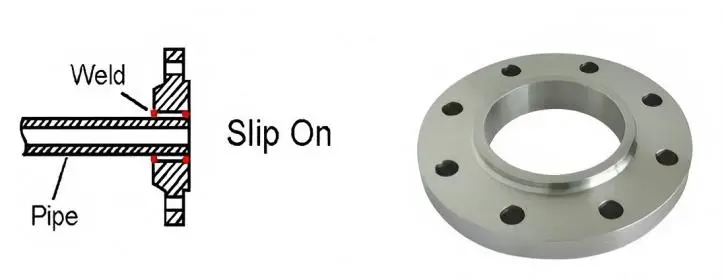
Understanding Steel Slip-On Flanges: Features and Specifications
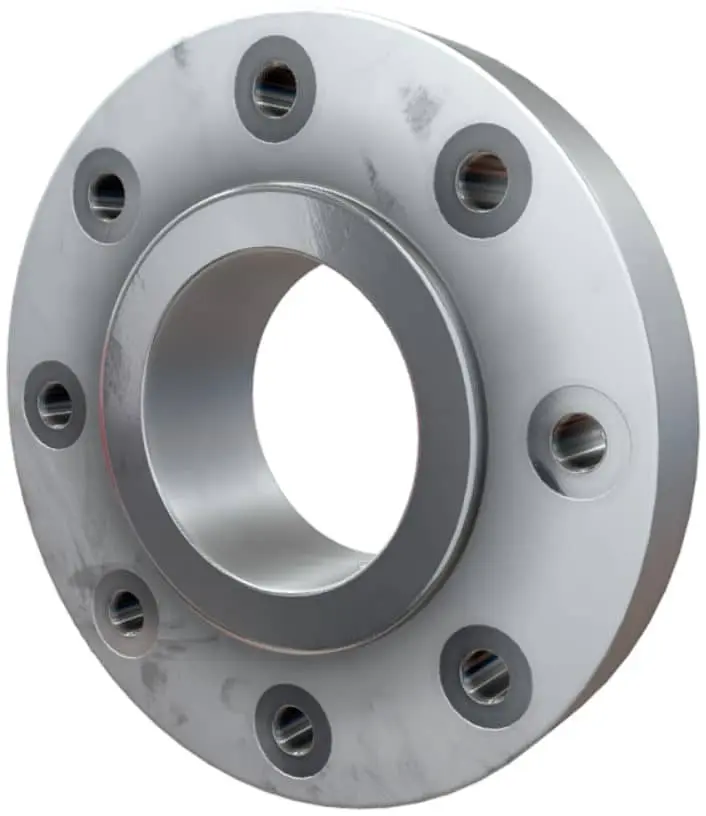
Steel slip-on flanges are an important part of modern pipe infrastructure. They are easy to set up and keep the system stable. For regular use, we use ASTM A105 carbon steel to make these flanges at JS Fittings. For cold places, we use ASTM A350 LF2 carbon steel. The design idea says that the inside diameter should be a bit larger than the pipe's outside diameter. It is easy to set up the lines before the welding starts because of this.
Key Operational Principles
You can use this type of double-fillet weld connection. Once the cap is on the end of the pipe, welders do two different fillet welds. On the outside, the flange hub connects to the pipe. On the inside, the flange hole connects to the pipe. Stress on the machine is spread out and fluid leakage is prevented at the joint with this two-weld method. The weld configuration provides sufficient strength for systems with steady-state pressure, and it doesn't make the temperature change a lot like high-temperature industrial units do.
Material Grades and Classifications
Carbon steel, which is not expensive but strong, is most often used to make steel slip-on flanges. ASTM A105 material is commonly used for a wide range of industrial service temperatures. When applied within the applicable ASME pressure-temperature ratings, ASTM A105 material can be used in a lot of different industry settings. Some types of stainless steel, like ASTM A182 F304 or F316, can work in salty places like chemical plants or near the coast. There are different kinds of alloy steel that are better for different tasks where they need to be strong enough to handle pressure or heat.
Dimensional Standards and Pressure Ratings
Rules have been set up all over the world for how to make things. If you need flanges that are between NPS 1/2" and 24", ASME B16.5 covers them, and ASME B16.47 Series A and B go up to 60 in diameter. In Europe, EN 1092-1 or DIN is usually used for metric requirements. There are five pressure classes: 150, 300, 600, 900, and 1500. The most common ones are 150 and 300. These classes change the bolt hole patterns, flange thickness, and gasket seating dimensions.
The raised face (RF) form is still the most popular, while flat face (FF) options are commonly used for specific gasket and piping requirements. Ring type joint (RTJ) facings are generally associated with higher-pressure flange designs.
Slip-On Flange Installation and Application Guide
If you install something the right way, it will last longer and work better. The first thing you need to do is get the pipe end ready. It needs to be cut into a square shape with no burrs or deformation. Standard pipe ends work with steel slip-on flange designs, which saves time and money.
Step-by-Step Installation Procedures
First, move the flange over the pipe end until it fits snugly. Leave about 1/16" to 1/8" of space between the pipe end and the flange face. This space protects the sealing surface during internal welding. Next, use the right tools to turn the flange to line up the bolt holes. Being able to turn the flange freely is very helpful when connecting to valves, pumps, or vessels that have fixed bolt patterns.
The external fillet weld connects the flange hub to the pipe's outer diameter. Once the first weld is complete and has had enough time to cool, the internal fillet weld connects the flange bore to the inside of the pipe. Both welds must be properly sized and executed to achieve the required mechanical strength. Magnetic Particle Inspection (MPI) or Dye Penetrant Testing (PT) is used for post-weld inspection instead of X-rays because the geometry of fillet welds makes radiographic interpretation difficult.
Common Industrial Applications
Because they don't need a lot of pressure and require relatively little maintenance, steel slip-on flanges are often used in wastewater and water treatment plants. The design makes it easy to remove pumps and replace valves without any special tools or long periods of downtime. These flanges are also great for municipal water distribution systems that use 150 PSI or less because they keep costs low while keeping operations reliable.
Industrial cooling systems in manufacturing plants benefit from the compact hub profile. Long-tapered weld neck designs aren't always possible in factories because there isn't much space between machines. The lower-profile design can fit more easily into confined spaces. This is also true for HVAC installations in commercial buildings, especially in mechanical rooms with lots of pipe routing.
Low-pressure oil transfer systems and fuel distribution networks employ these components to connect tanks and make pipeline sections. They save a lot of money because they don't need to be bevelled, which can happen on big projects that need a lot of flange joints.
Material and Pipe Compatibility Considerations
It's important to make sure that the flange material is right for the fluids in the pipe and the environment. Carbon steel flanges work well with non-corrosive fluids, like fresh water, mild chemicals, and petroleum products, at room temperature. Stainless steel flanges are needed for acidic solutions, chlorinated water, or marine applications where salt exposure speeds up corrosion.
Keep an eye on how well the steel works at different temperatures. For example, standard ASTM A105 carbon steel works well up to 427°C, but when operating at elevated temperatures, material selection should be reviewed according to applicable code requirements and service conditions to improve the grain structure and impact resistance. Below -29°C, you need ASTM A350 LF2 alloy steel to keep it from breaking easily.
Comparing Steel Slip-On Flanges with Other Flange Types
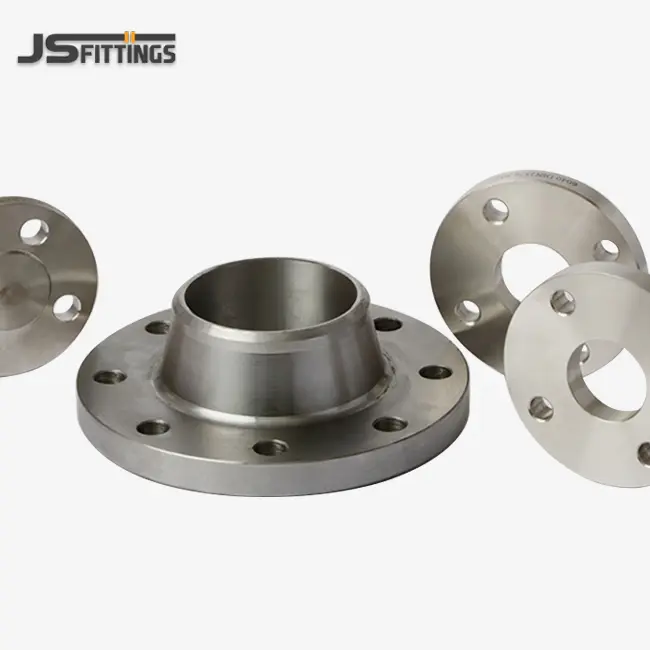
For your project, you should know when to use steel slip-on flanges and when to use other options. Weld neck flanges are best for high-pressure systems, severe cyclic loading, or uses that will be expanding and contracting a lot due to heat. However, they need to be precisely bevelled and aligned, which makes them harder to make and wastes more material because of uneven cutting.
Mechanical Strength Considerations
Weld necks are better than slip-on designs because stress concentration is higher at the weld region in slip-on designs. This works fine for steady-state pressure in Class 150 and 300 applications, but fatigue cracks can form when pressure changes or when temperatures drop and rise again. This is why engineering standards sometimes lower the allowable design rating of slip-on flanges and recommend weld necks instead for important uses, even though they cost more at first.
Threaded flanges provide a non-welded connection method and won't leak when you don't weld them. They work best for small lines (under 2 inches in diameter) in low-pressure settings where it's worth it to be able to take them off easily. Blind flanges cover the ends of lines or holes in water tanks but don't connect to other flanges.
Installation Complexity and Timeline Impact
Putting on these designs takes less time than welding neck styles. Being able to move flanges to line up bolt holes before welding saves a lot of time on jobs with a lot of machine links. It's easier to stick to plans when there aren't as many rules about how to prepare pipes, which is helpful when project delays cost extra money.
Socket weld flanges need to be welded with a single edge, and the pipe entry depth has to be exact. They are good when standard strength isn't enough and the cost of a weld neck isn't worth it. Lap joint flanges let heat expand through stub-end designs, but they have extra parts and could be leak routes.
Cost Implications and Budget Optimisation
Material costs favour this design significantly. The forging is lighter and easier to make than weld-neck models because the hub length is shorter. A Class 300 version with a 6" diameter can sometimes be found for 30–40% less than the matched weld neck version. On big jobs, this can save tens of thousands of dollars without putting people in danger.
Installing it costs less money because there aren't as many steps to take and no need for beveling. The number of hours needed by the welder is cut by 15 to 25 percent for each joint. This saves a lot of time and money on projects with hundreds of connections.
Procurement Insights: How to Source the Best Steel Slip-On Flanges?
Strategic buying helps us get the best deal on price and quality for every steel slip-on flange. Manufacturers you can trust will give you Mill Test Reports (MTRs) that explain the chemicals used, the mechanical qualities, and the heat treatment methods. When something is certified by ASTM A105, it means that it meets certain standards for carbon, manganese, and tensile strength. For big projects, having third-party reviews by firms like SGS, Lloyd's, or Bureau Veritas adds another level of security.
Factors Affecting Pricing and Lead Times
Unit prices change a lot when sales are small. Manufacturers usually give 10–15% off orders of 100 or more pieces because they make more when they work with a lot of people. The cheapest way to buy things is by the container load, but you might not be able to make one big purchase because of how long your job takes or because you don't have enough room to store it.
When you need to change an ASME B16.5 carbon steel A105 slip-on flange size, you can ship it from stock in a few days. But it can take 4–8 weeks to cast and machine parts with custom bore sizes, special materials, or pressure values that aren't standard. Depending on where the supplier is based, shipping times and freight costs will vary. Most of the time, domestic providers charge more than imported ones, but they can send faster.
Identifying Reputable Manufacturers
When well-known names certify them, it shows how good they are. An example is ISO 9001 quality management systems, which say they have written down process rules and guidelines for always getting better. A lot of different certifications, like compliance with NACE MR0175 requirements for the oil and gas business, show that they can work in tough situations. The fact that they have approved supplier status with major oil companies like National Iranian Oil Company, Petrobras, or Abu Dhabi National Oil Company shows that they can do their job even when things get tough.
If a manufacturer produces more than 100 tonnes of products per month, it means that the business has been around for a while, has stable employees, and keeps its tools in good shape. If they arrive on time more than 95% of the time, it means they are good at planning output and controlling logistics. If less than 0.5% of their customers complain, that means they care about quality control and making sure their customers are happy.
Bulk Ordering Benefits and Custom Fabrication
A/S deals let you get better rates and make sure that capacity is used when demand is high. Blanket orders with planned releases find a mix between the economics of numbers and the need to keep working capital low. Custom manufacturing takes care of project needs like using non-standard facings, special metals, or sizes that are too big. For sizes DN15 to DN2000, JS Fittings can handle them, and they can also make custom combinations that aren't in their normal catalogue ranges.
Ensuring Optimal Performance and Longevity of Slip-On Flanges
To make sure the system lasts as long as possible, the first thing you should do is think about the highest working pressure plus safety limits for the steel slip-on flange. At room temperature, Class 150 flanges are typically rated at approximately 285 PSI at 100°F for ASTM A105 material, and Class 300 flanges are typically rated at approximately 740 PSI at 100°F for ASTM A105 material. There are different values for higher temperatures. Check the ASME B16.5 pressure-temperature ratings to make sure the system works in all of these temps.
Material Durability and Corrosion Resistance
Standard corrosion-protection coatings, like varnish, black phosphate, or yellow chromate, protect components while they are being stored or moved. Hot-dip galvanising, epoxy painting, or special coatings that match the pipe's outside treatments are the best ways to make lasting installs.
Stainless steel flanges offer significantly improved corrosion resistance, but they cost three to four times more than carbon steel. Think about how often you'll have to repair the part or how likely it is that the system will get contaminated. The extra cost is worth it. To get the most out of lifetime economics, pick the material with care, taking into account how the fluid will behave and how it will be introduced to the environment.
Maintenance Best Practices and Inspection Routines
By looking at it often, you can spot early danger signs like rust on the outside, seal leaks, or bolts that are coming loose. Most applications only need to be checked once a year. However, applications that are used in difficult environments should be checked every three months. If a leak is detected, the gasket should be replaced during a planned shutdown following applicable safety procedures. This way, the small leak doesn't get worse and the system breaks.
By measuring the force, the bolt stays within the load limits that were planned for it. Temperature changes and vibrations can over time loosen the bolt's tightness. This can make the gasket lose its compression strength and let leaks happen. The joint stays in good shape by being retorqued after the first start-up and at regular maintenance times. It's easier to figure out how reliable something is and follow the rules when you write down torque numbers and test results.
Troubleshooting Common Issues
If the flange face gets broken during fitting, you have to machine it or replace the flange. If the gasket is scratched, gouged, or twisted, it won't close right no matter how hard you try. As you weld, make sure the pipe is put to the right level to keep the sealing surfaces safe from weld spatter and bent metal.
When two plates don't meet up right, they put different amounts of stress and force on the gasket. For pipes that aren't close enough to the joints, fluids or heat can cause them to bend.When proper support spacing is maintained, the piping remains perfectly aligned. This ensures that the flanges remain strictly parallel and that the bolt load is distributed uniformly around the entire joint, preventing gasket blowout and subsequent leaks.
Conclusion
Steel slip-on flanges are a good choice if you need to make it easy to line things up and keep the appearance small. Sometimes they don't work right, but if you use the right pressure classes and materials for the job, they will last for decades without leaking. You should learn about the pros and cons of each type of flange, as well as the best ways to install and keep them, if you want to get the most out of your projects. To keep project costs low and supply chain risks low, it's best to work with well-known makers who offer full certifications, expert support, and a history of on-time delivery.
FAQ
1. Can slip-on flanges handle high-pressure applications?
No matter how low or high the pressure is, steel slip-on flanges work well. Most jobs can be done with a Class 150 or 300 grade up to 740 PSI at room temperature. Higher pressure classes such as Class 1500 and Class 2500 are available for more demanding applications, but for heavy-duty use, weld-neck flanges are generally cheaper because they spread the stress out better. When the temperature or pressure changes, the fillet weld structure in slip-on designs can cause stress to build up in places that aren't good.
2. What distinguishes slip-on installation from weld-neck procedures?
Weld neck flanges need a curved pipe and a single butt weld. Slip-on designs, on the other hand, can be slid over the ends of pipes and only need two fillet welds. It's easier to connect things when you can move the flange to line up the bolt holes before welding. Weld neck designs need to be perfectly lined up in a straight line, but they make parts that are stronger and can handle heavy use. Most of the time, these styles save 15 to 25 per cent of the time it takes to install.
Partner with JS Fittings for Reliable Slip-On Flange Supply
JS Fittings has been making business pipes for over 40 years. We have a lot of carbon steel, stainless steel, and metal tubes with sizes from 1/2" to 60" that meet ASME, DIN, and EN standards. Each month, we ship more than 90 containers, and more than 95% of the time, they arrive on time. This helps projects in the industrial, building, and water treatment sectors. The fact that we are an approved provider for NIOC, ADNOC, and Petrobras, as well as having ISO, CE, and GOST-R certifications, shows that we are dedicated to quality and compliance. As long as you need normal Class 150 raised face flanges or custom Class 600 configurations, our expert team can help you and give you a fair price. Our skilled procurement experts can help you talk about your needs with a reliable steel slip-on flange maker that serves North American markets. Email them at admin@jsfittings.com.
References
1. American Society of Mechanical Engineers. "ASME B16.5: Pipe Flanges and Flanged Fittings NPS 1/2 Through NPS 24 Metric/Inch Standard." New York: ASME Press, 2020.
2. Becht, Charles, and R. M. Sangha. "Fatigue of Slip-On Flanges Under Pressure and Thermal Cycling." Journal of Pressure Vessel Technology, Vol. 135, No. 4, 2013.
3. Kulkarni, Mahesh D. "Comparative Analysis of Flange Joint Performance in Industrial Piping Systems." International Journal of Engineering Research & Technology, Vol. 8, Issue 12, 2019.
4. Parisher, Roy A., and Robert A. Rhea. "Pipe Drafting and Design, Third Edition." Houston: Gulf Professional Publishing, 2012.
5. Singh, K. P., and A. I. Soler. "Mechanical Design of Heat Exchangers and Pressure Vessel Components." Berlin: Springer-Verlag, 2015.
6. Waters, Edward O., et al. "Standards of the Expansion Joint Manufacturers Association, Tenth Edition." White Plains: Expansion Joint Manufacturers Association, 2018.
Send Inquiry
_1775029549981.webp "Buttweld Tee")
Related Industry Knowledge
- Types of ASTM A105 weld neck flange
- Carbon Steel Buttweld Reducer Material Standards Explained
- Long Radius Buttweld Elbow vs Short Radius Elbows: Which One to Use?
- Buttweld Elbow Dimensions Guide for ASTM A234 WPB Fittings
- Choosing the Right Size Long Radius Buttweld Elbow for Your Project
- What Are Slip-On Flanges?
- CRA Clad Line Pipe for Subsea and Offshore Pipelines
- Carbon Steel Forged Steel Flange: Class 150 to 2500 Guide
- What are butt weld fittings?
- How thick is standard wall pipe on carbon steel?