
What is the difference between 3LPE and FBE Coated Steel Pipe?






2026-07-17 10:43:20
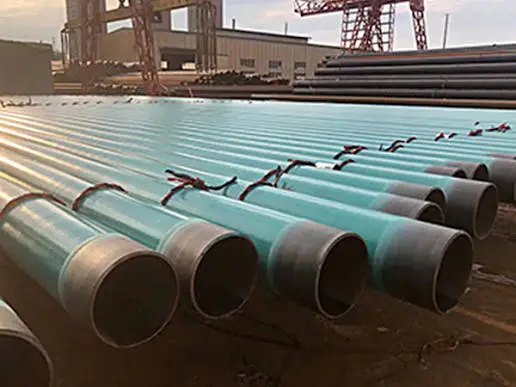
The choice between 3LPE (3-Layer Polyethylene) and FBE coated steel pipe is very important for the success of a project when looking at external safety systems for underground or submerged pipelines. The main difference is in how they are built. FBE is a single-layer thermosetting epoxy powder coating that is applied electrostatically to steel that has already been heated. It adheres well and is resistant to chemicals according to standards like CAN/CSA Z245.20. On the other hand, 3LPE coating is made up of three separate layers: an epoxy base, an adhesive layer, and a polyethylene topcoat that meets DIN 30670 and ISO 21809-1 requirements. It provides better mechanical protection and an excellent moisture barrier. In mild settings and when it comes to cathodic protection, FBE is the best. But when it comes to long-term underground corrosion avoidance in harsh soil conditions, 3LPE is the best.
Introduction
Pipeline infrastructure is one of the biggest investments that businesses make, but every year, corrosion-related problems cost them billions of dollars to fix, rebuild, and clean up the environment. Underground and underwater conditions can be very harsh, so steel pipe coats are the first line of defense against electrochemical breakdown, mechanical damage, and chemical attack. Choosing between protective coating systems has a direct effect on not only the initial project budget but also the costs of maintenance over the project's lifetime, the safety of operations, and compliance with regulations.
Fusion-bonded epoxy (FBE) and 3-layer polyethylene (3LPE) are the two primary technologies used for external pipeline coating. Many oil and gas transmission projects, city water delivery projects, and infrastructure building projects use both methods. However, their different cost structures, performance characteristics, application methods, and material properties make them suitable for different operational situations.It can be challenging for B2B procurement managers, EPC contractors, and project engineers to make sure that the coating standards are met in terms of the climate, the budget, and the performance over time. To make a smart choice, you need to know not only the technical details but also how they will affect project timelines, supplier reliability, and the overall cost of ownership. In this analysis, we look at industry standards, real-world performance data, and best practices for procurement to give decision-makers information they can use.
Understanding Steel Pipe Coatings: 3LPE and FBE Overview
The Foundation of Corrosion Protection Technology
External coating systems work with cathodic protection systems to make pipelines last longer. They do this by acting as both physical barriers and electrical insulators. There are three main things that determine how well a coating works: how well it sticks to the steel base, how well it resists damage from the environment, and how well it works with field installation methods.
In the 1960s, FBE covering technology came out and quickly became popular because it was so good at adhesion and chemical stability. The steel pipe surface is heated to about 232°C (450°F), and then electrostatically charged epoxy powder particles are put on top. These melt, flow, and chemically cross-link when they come into contact with the hot steel. This fusion process makes a film that is continuous and free of pinholes. The thickness of this film is usually between 300 and 600 microns. The resulting coating provides excellent resistance to soil stress, moisture, and many corrosive environments. Because FBE is compatible with cathodic protection systems, protective current can reach exposed steel at coating defects. This stops the under-film corrosion that happens with some other systems.
Multi-Layer Protection Evolution
In order to make FBE less likely to get damaged during handling, transport, and installation, 3LPE coating systems were created. This three-layer structure has the chemical protection of epoxy and the hardness and lack of permeation of polyethylene. The top layer is made up of an FBE primer (usually 100 to 200 microns thick) that protects against corrosion and sticks to steel. The primer is attached to the top layer of high-density polyethylene (2.0–3.5 mm) by a copolymer adhesive layer that is about 150–300 microns thick. This layer provides impact resistance and moisture barrier properties. It has been found that this composite architecture works best in harsh soil conditions with rocks, clay, or a lot of water.
Both covering methods are in line with strict international rules about the makeup of the materials, how they should be used, and how well they should work for FBE-coated steel pipe. These specs make sure that all makers follow the same rules and give procurement teams high standards that can be checked. At JS FITTINGS, we follow ASTM/ASME, DIN, and API standards when applying coatings. We use high-tech testing tools like spectral analyzers and ultrasonic thickness gauges to make sure that every production batch is in line with these standards.
Core Differences Between 3LPE and FBE Coated Steel Pipes
Structural Composition and Performance Characteristics
The thick, cross-linked molecular structure of FBE coating's single-layer design keeps water and oxygen from getting through, which is proven to protect against corrosion. The coating's relatively thin profile (300–600 microns) maintains relatively tight dimensional tolerances, which is helpful for pipes that need to fit together precisely. However, FBE is more likely to be damaged by impacts when it is being handled, moved over rough terrain, or put in place in rocky soil because of its thinner profile. From what we've seen in the field, Standard FBE coatings are commonly used in applications up to about 80°C, while high-temperature FBE formulations are available for higher operating temperatures.
The three-layer structure of 3LPE coating gives much better mechanical protection while keeping the corrosion-resistant benefits of its FBE-coated steel pipe primer layer. The outer layer of polyethylene absorbs impact energy that would damage a single-layer coating. This makes 3LPE the best choice for directional drills, installations in rocky terrain, and building zones with a lot of foot traffic. The general coating is usually between 3 and 4 mm thick, which makes it a very good barrier against moisture. Field experience indicates that properly applied 3LPE systems can provide service lives exceeding 50 years under favorable operating conditions. This longer durability means lower lifetime costs, even though the original costs of materials and application were higher.
Application Complexity and Quality Control Requirements
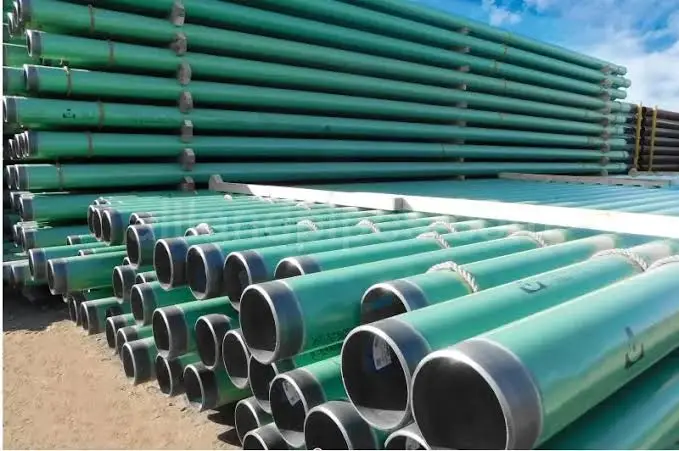
Applying FBE coating involves relatively straightforward processing steps that can be done quickly and well by coating facilities with a lot of experience. With the one-step application, production can go faster, and quality control is easier. Preparing the surface is still very important. To make sure of mechanical bonding, steel must be blast-cleaned to Sa 2.5 or Sa 3 standards (near-white metal) with the right anchor profile depth (40–100 microns). Holiday detection using high-voltage electrical testing finds any breaks in the coating, and adhesion tests make sure the coating is properly fused to the base.
The 3LPE application needs more complex processing with precise control over a number of factors. When the FBE primer layer is put down, the timing and temperature windows for the adhesive and polyethylene layers become very important for making sure the layers stick together properly. Any change in the preheating temperature, the rate of cooling, or the layer thickness can weaken the coating. Because of this, stricter quality control methods are needed. One of these is cathodic disbondment testing (CDT), which checks how well a layer sticks in conditions that are similar to those in the field. The test subjects exposed coated samples to an electrolyte solution and electrical stress for 24 to 48 hours and measured the diameter of the coating disbondment. Lower values mean better long-term performance.
At JS FITTINGS, we use thorough testing procedures that are in line with ISO9001 quality management systems to make sure that every FBE-coated spiral steel pipe meets specific performance standards before it is shipped. We have been manufacturing for more than 30 years and can coat more than 1,500 tons of pipes every month. We use statistical process control systems to keep track of coating thickness, adhesion strength, and holiday detection results across production runs.
How to Choose Between 3LPE and FBE Coated Steel Pipes for Your Project?
Environmental Condition Assessment
Soil traits are the main natural factor that affects the choice of coating. Clay soils that hold a lot of water make conditions that are constantly corrosive, and 3LPE's excellent moisture barrier properties can help. Rocky soils with sharp rocks need the mechanical toughness that polyethylene layers offer. Cost-effective FBE covering options may work in sandy or well-drained soils that aren't too corrosive. To evaluate corrosion risk, procurement teams should test the soil's resistivity and do chemical analyses along pipeline lines.
Temperature changes along the pipeline route affect how well the coating works and how it is chosen. Standard FBE formulations can be used in places where the temperature is up to 80°C. For heated product lines, dual-layer FBE or high-glass transition variants can be used in places where the temperature is above 110°C. Standard polyethylene outer layers soften at elevated temperatures, making specialized formulations necessary for high-temperature service, which could make it less useful for high-temperature tasks unless special formulations are needed. In places where temperatures change a lot, coating systems that have been shown to be resistant to thermal cycling are needed to keep things from cracking or coming apart.
Operational and Mechanical Requirements
Specifications for coatings are directly affected by things like the type of product, the expected service life, and the pressure levels for the pipeline. Because of how bad it would be if the coating failed on high-pressure gas transmission lines carrying potentially dangerous materials, the extra protection provided by 3LPE coating is worth the extra cost. When used correctly, FBE systems can help municipal water distribution systems that work in stable urban environments with lower pressures do a good job at a lower cost.
The method of installation adds another factor to the decision. When horizontal directional drilling (HDD) is used to place pipes, they are pulled through holes and put under a lot of mechanical stress. This means that 3LPE coating is necessary to keep the coating's integrity. When the right bedding materials are used in open-trench installations, they put less mechanical stress on the soil, which could allow FBE coating in some cases. Coating selection is also affected by the availability of specialized assembly tools and trained workers.
Supplier Evaluation and Procurement Factors
In addition to technical requirements, the abilities of the supplier also have a big effect on the success of the project. Reputable makers provide a lot of paperwork, like certificates for the materials they use, records of how the coatings were applied, and test results that show they meet certain standards. When construction schedules are tight, lead time reliability is very important. Coating delays can keep expensive installation equipment and crews from being used. Minimum order quantities (MOQ) and the ability to customize affect how flexible procurement is, especially for projects that need different pipe sizes or special end preparations.
JS FITTINGS keeps inventory systems that allow for quick order fulfillment of ASTM A106 Grade B FBE-coated seamless steel pipe, and every month they ship more than 90 containers to customers all over the world. Based on estimates of the surroundings and practical needs, our expert team makes coating suggestions that are unique to each project. When we send pipes, they come with standard cut-backs (uncoated ends) that make welding easier right away in the field. This saves money on expensive coating removal operations that have to be done on-site. We have international certifications like CE, ISO, and GOST-R, as well as approvals from big energy companies like NIOC, ADNOC, and PETROBRAS, which show that we are committed to quality standards that are known all over the world.
Conclusion
When choosing between 3LPE and FBE coated steel pipes, you need to think about how they will perform technically, how they will affect the environment, your budget, and how much they will cost over their entire useful life. The FBE coating has been shown to protect against corrosion and stick well, so it can be used in moderate environments and situations where compatibility with cathodic protection is important. The 3LPE coating system offers better mechanical protection and moisture barrier properties, which makes the higher initial costs worthwhile in harsh soil conditions or installations that will be under a lot of mechanical stress.
Choosing qualified providers with proven skills, quality management systems, and expert technical support is all-important for successful procurement. Checking certifications, production capacity, and performance history can help protect you from quality problems that can ruin your coating system investment. To make the best decisions for both project budgets and long-term infrastructure reliability, it's important to know what the real costs are, such as lifecycle maintenance, possible failure consequences, and the total cost of ownership.
FAQ
1. What is the typical service life difference between FBE and 3LPE-coated pipes?
When put correctly, an FBE coating can typically provide several decades of corrosion protection when properly applied and used together with an effective cathodic protection system in mild soil conditions with cathodic protection systems that work with them. Because it is a better barrier against moisture and damage, the 3LPE coating system makes service life estimates go up to 50 years or more in harsh conditions. How long something actually lasts depends a lot on how well it was installed, how corrosive the soil is, how thick the coating is, and how well it is maintained. Using above-ground inspection methods to do regular layer integrity checks helps find problems as they start to happen before they become dangerous to the pipeline.
2. Can FBE coating be repaired in field conditions if damaged during installation?
FBE coating lets repairs be done in the field using special tools and methods. If you follow the manufacturer's instructions, you can fix small cracks or damage spots with liquid epoxy repair compounds. Heat-shrink sleeves or wrap-around repair systems may be needed for bigger areas of damage. It is still very important to prepare the surface correctly at repair sites—damaged areas must be cleaned up to white metal standards before replacement material is applied. To make good fixes in the field, you need trained workers, the right tools, and good weather. The 3LPE coating also helps with field repair, but it takes more work to make sure that all three layers stick together properly.
3. How do environmental factors influence coating selection?
Different soil pH levels, wetness levels, bacterial activity, and chemical make-ups cause different rust risks that affect the best coating choice. Soils that are acidic or alkaline speed up rusting, which is good for protection systems that are strong. 3LPE is a great water blocker that works well in places with a lot of wetness. Rocky soils need to be tough, which is what polyethylene outer layers provide. Temperature ranges affect how well a coating works. For example, FBE is good for mild temperature situations, while special formulas are better for extreme ones. By doing thorough environmental studies that include checking the soil along pipeline routes, it is possible to choose a coating that is in line with the real conditions of exposure.
Partner with JS FITTINGS for Superior Coated Steel Pipe Solutions
We know that the investments you make in pipeline infrastructure need to be of the highest quality, delivered on time, and backed by reliable technical knowledge. JS FITTINGS has been a specialist manufacturer for more than 40 years and has approvals from international energy leaders like Petrobras, NIOC, and ADNOC to back up their work as an FBE-coated steel-pipe provider. Through strict testing protocols, from making sure the surface is properly prepared to making sure of the cathodic disbondment resistance, our comprehensive quality systems ensure the integrity of the coating.
Our technical team offers tailored solutions that take into account your unique operational needs and environmental conditions, whether your project calls for FBE coated steel pipe for municipal water systems or 3LPE coating for harsh underground gas transmission. We can support specifications from DN15 to DN2000, and our production methods are flexible enough to handle both large orders and unique custom needs. Get in touch with our experts at admin@jsfittings.com to talk about your coating requirements and get full technical advice. Partner with a company that has a 98% customer return rate and a complaint rate below 0.5% across thousands of successful installations around the world. This will give you peace of mind.
References
1. American Water Works Association (2017). AWWA C213-17: Fusion-Bonded Epoxy Coating for the Interior and Exterior of Steel Water Pipelines. Denver: AWWA Standards.
2. National Association of Corrosion Engineers (2019). NACE RP0394: Application, Performance, and Quality Control of Plant-Applied, Fusion-Bonded Epoxy External Pipe Coating. Houston: NACE International.
3. Deutsches Institut für Normung (2015). DIN 30670: Polyethylene Coatings on Steel Pipes and Fittings – Requirements and Testing. Berlin: DIN Standards Committee.
4. Canadian Standards Association (2018). CAN/CSA Z245.20-18: External Fusion Bond Epoxy Coating for Steel Pipe. Toronto: CSA Group.
5. American Petroleum Institute (2020). API Specification 5L: Specification for Line Pipe – 46th Edition. Washington: API Publishing Services.
6. Palmer, A.C. & King, R.A. (2008). Subsea Pipeline Engineering, Second Edition. Tulsa: PennWell Corporation, Chapters 12-14 on Pipeline Coating Systems and Corrosion Protection.
Send Inquiry
You may like
Related Industry Knowledge
- How to Order Custom Steel Flange
- How Is a Buttweld Bend Tested to ASME Standards?
- FBE vs 3LPE vs CWC for Underground and Subsea Applications
- ASTM A312 vs ASTM A213 Steel Pipe: What Are the Key Differences?
- What is an API 5L Seamless Steel Line Pipe?
- How long does FBE Coated Steel Pipe last?
- Slip-On Flange Uses and Applications
- What is carbon steel pipe made of?
- What are butt weld fittings?
- What specification is the carbon steel black pipe?