
API 5L X65 with Inconel 625 Clad Line Pipe for Sour Service






2026-07-30 10:47:39
When hydrocarbon extraction moves into harsh operating environments—deep subsea wells saturated with hydrogen sulfide, offshore platforms battered by chloride-rich seawater, or arctic fields where temperatures plunge below -45°C—standard carbon steel pipelines fail catastrophically. API 5L X65 with Inconel 625 clad line pipe represents an engineered response to these extremes. By metallurgically bonding a corrosion-resistant nickel alloy to a high-strength carbon steel base, this CRA Clad and Lined pipe technology delivers dual advantages: the structural backbone needed for high-pressure containment and the chemical armor essential for sour service environments where even trace amounts of H2S trigger accelerated corrosion and brittle fracture.
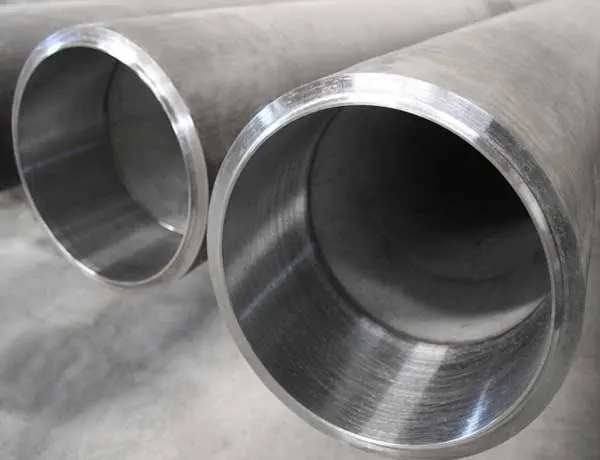
Technical Overview of API 5L X65 with Inconel 625 Clad Pipe
What Defines API 5L X65 Base Material?
API 5L X65 is a type of high-strength carbon steel that has a minimum yield strength of 65,000 psi. This means it can be used to move oil and gas at high pressures. The material is very tough and easy to weld, which is very important for pipelines that go through rough terrain or work at great depths. But X65 cannot withstand prolonged exposure to sour service fluids containing hydrogen sulfide and carbon dioxide without appropriate corrosion protection. These corrosive substances get into the steel core and cause sulphide stress cracking and hydrogen embrittlement, which potentially weaken the structure over time depending on H2S concentration, temperature, and operating conditions.
Why Inconel 625 Serves as the Optimal Cladding Alloy?
A superalloy made of nickel, chromium, and molybdenum, Inconel 625 is famous for being very resistant to pitting, crevice corrosion, and stress corrosion cracking in salt and sulfide-containing environments. Its composition—comprising at least 58% nickel, 20–23% chromium, 8–10% molybdenum, and 3.15–4.15% niobium plus tantalum—forms a passive oxide layer that naturally reforms after surface damage, protecting the alloy even under fluctuating temperatures and mechanical stress.In contrast to austenitic stainless steels like 316L, Inconel 625 keeps its mechanical qualities over a wider temperature range and is better at stopping localized corrosion in sour fluids high in chlorides. Because of this, it is the best material for cladding underwater flowlines, where repairs are too expensive, and downtime means millions of dollars in lost income.
Manufacturing Processes: Weld Overlay and Explosion Bonding
Metal-bonded covered pipes are mostly made in two main ways. For weld overlay, automated welding equipment is used to put several layers of Inconel 625 on the inside of the X65 base pipe. This method lets you precisely control the thickness of the cladding, which is typically between 3 and 5 mm depending on service requirements, and it ensures metallurgical bonding between the CRA layer and the base pipe, with shear strength values meeting project requirements. Instead, explosion bonding uses controlled explosions to push a thin Inconel plate against the base steel at speeds fast enough to create a solid-state metallurgical bond through high-speed impact and plastic deformation. The resulting bond can withstand great bends and changing pressures without coming apart, which is very important when installing pipelines using the reeling or J-lay methods. Both methods comply with API 5LD requirements for CRA clad and lined pipes. Specific manufacturing procedures are qualified according to applicable welding and fabrication standards, requiring rigorous inspections—such as 100% ultrasonic testing across the joined area—to detect any lack of fusion or delamination.
Quality Control Measures and Standards Compliance
Rogue producers can be told apart from trusted providers by strict quality control methods. Before being sent out, every API 5L X65 Inconel 625 clad pipe from JS FITTINGS goes through a lot of tests. The whole clad-to-base contact is mapped out using ultrasound, which finds tiny flaws that can't be seen with the naked eye. Shear strength tests verify that the bond quality meets the specified project requirements. This means that the cladding will stay in place during installation loads. Positive Material Identification checks the chemical composition at several points. This keeps the base metal from mixing with the Inconel layer by accident, which would weaken its resistance to corrosion. Each pipe undergoes hydrostatic testing according to API 5L and project-specific requirements, which confirms that it doesn't leak and that the structure is sound. These steps are in line with DNV-OS-F101 offshore pipeline standards and NACE MR0175 sour service requirements. They give procurement managers documented evidence of compliance, which is needed for project approvals and insurance policies.
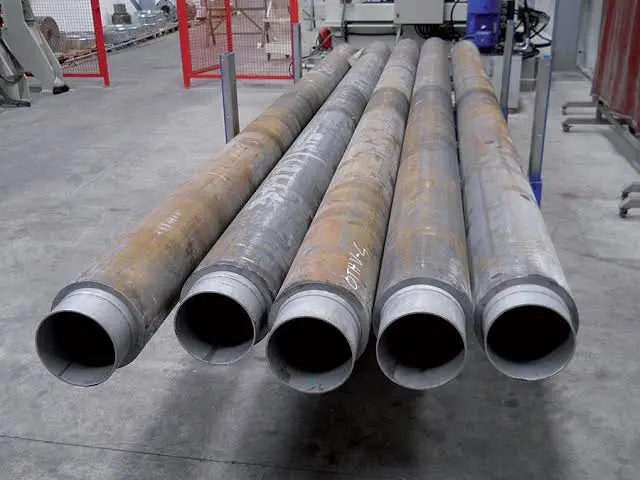
CRA Clad Pipes vs. Lined Pipes: Key Differences and Industry Applications
Structural and Bonding Distinctions
Knowing the main differences between clad and lined pipe systems helps engineers choose the best option for each set of circumstances. CRA Clad and Lined pipe terms can be hard to understand. Making them clearer can help avoid costly design mistakes. Clad pipes have an inner layer that is metallurgically fused. This can be done by weld overlay or explosion bonding, and it becomes part of the pipe wall structure. This fusion makes a lasting bond that can withstand stretching, heating, and changes in pressure without breaking. The clad layer is usually between 3 and 5 mm thick. It protects against rust and helps figure out the total wall thickness.
Lined pipes, on the other hand, use a mechanical fit in which a thin-walled CRA tube is put into the carbon steel carrying pipe and either hydraulically or manually stretched to make interference contact. The materials are not metallurgically bonded to form the bond; instead, friction and compression do. While lined pipes are easier to install, especially in long subsea tieback situations where continuous lengths are made on land, they aren't as good for high-temperature cycling or severe bending. Under pulsating pressure, the mechanical link can move very slightly, which could lead to crevice corrosion at the points where the lining and base meet.
Performance Comparison in Sour Service Environments
Sour service conditions are typically evaluated according to NACE MR0175/ISO 15156 based on H₂S partial pressure, pH, temperature, chloride concentration, and other environmental factors. These conditions call for materials that can withstand sulphide stress cracking and hydrogen-induced cracking. When used in these situations, clad pipes work better because they are made of a single piece. The metallurgical bond and corrosion-resistant CRA layer reduce hydrogen exposure to the carbon steel substrate, helping minimize hydrogen-induced cracking. The CRA layer reduces hydrogen exposure to the carbon steel substrate, helping minimize risks such as hydrogen-induced cracking, which makes it weaker. Qualified clad pipes can be cold-bent to specified radii—often as tight as 5D (five times the pipe diameter)—without delamination during installation, depending on pipe size, wall thickness, and approved installation procedures.This is a very important feature when working with shoreline topography or platform tie-ins.
Application Suitability Across Industries
Subsea pipeline projects in deep-water oil areas are the most difficult ones for clad pipe technology to handle. In this case, API 5L X65 with Inconel 625 cladding is used to transport multiphase fluids with a lot of hydrogen sulfide, sand, and dissolved salts at pressures that may exceed several thousand psi in high-pressure offshore applications. The clad construction can handle the stresses of installation during reel-lay operations, in which pipes are wound onto vessels and then deformed plastically during deployment. Upstream operators choose clad pipes for gas export pipelines, water pumping systems, and production flowlines because failure could cause damage to the environment, loss of production, and high repair costs.
Clad pipes are used in acid service in chemical processing plants to move sulfuric, hydrochloric, and phosphoric acids, which quickly break down carbon steel. The inside of Inconel 625 can stand up to both oxidising and reducing acids over a wide range of temperatures and concentrations. In flue gas desulfurization systems at power plants, clad pipe is used because chloride-filled scrubber effluents would eat away at stainless steel in just a few months. Lined pipes are useful for less demanding tasks, like moving produced water in mature fields with lower H₂S levels, pharmaceutical plants that need clean surfaces, and food processing systems that have to follow FDA rules and use certain metal contact materials.
Benefits and Specifications of CRA Clad Pipes and Lined Pipes in Industrial Procurement
Tangible Advantages of Inconel 625 Cladding
When you use API 5L X65 coated with Inconel 625, you get measured operational benefits that more than make up for the higher starting costs. Enhanced corrosion resistance extends asset service life to 25–30 years or more, compared to the usual 10–15 years for treated carbon steel in severe operating conditions. This saves money on replacement costs and keeps production running smoothly. The high bond strength—verified by destructive tests at JS FITTINGS to be meeting or exceeding the project-specified shear strength requirements in many batches—ensures stability through multiple pressure cycles and temperature changes, preventing the catastrophic failures that come with coatings or liners coming loose.
Mechanical strength directly leads to lower building costs. CRA-clad or lined steel pipe can be cold-bent on-site to handle changes in the as-built route without damaging the CRA layer. This means that expensive hot-bending or prefabricated parts are not needed. Field-welding clad joints using approved methods and then covering the welds with Inconel makes it possible to build a continuous pipeline without using mechanical connections that can cause leaks and pressure drops. When compared to solid Inconel pipes, these pipes are lighter, which lowers the cost of transportation, the need for lifting equipment, and the need for structural support. This is especially helpful for retrofitting offshore platforms that can only hold a certain amount of weight.
In addition to protecting against corrosion, Inconel 625 provides excellent corrosion resistance in high-speed multiphase flow, while erosion resistance must be evaluated based on sand content and flow conditions that include sand and solid particles. Slugging, which is sudden surges of liquid and gas, is common in underwater pipes. This creates rough conditions that wear away surfaces that aren't covered. The dense structure of Inconel 625 improves resistance to mechanical wear, keeping the full wall thickness and stopping the localised thinning that causes stress to build up and fatigue cracks to form.
Critical Specifications and Governing Standards
To make sure they are completely compliant, procurement specifications must list more than one standard. API 5L sets standards for base pipe sizes, chemical makeup, and mechanical qualities. PSL2 (Product Specification Level 2) requires more tests, such as Charpy impact toughness at certain temps. For sour service, NACE MR0175/ISO 15156 lists the requirements for materials, including reducing the hardness of base steel to stop sulphide stress cracking and describing the right CRA ratios. API 5LD specifies requirements for CRA-Clad and Lined Pipes. Cladding thickness is determined by project design requirements, evaluating severe service conditions and anticipated inspection frequencies.
Outside diameter (usually 4 to 48 inches for clad pipes), wall thickness (base steel plus cladding), and length (usually provided in two random lengths of 38 to 45 feet or in custom lengths for special projects) are some of the dimensions that are given. Pay close attention to the cladding thickness: 3mm is enough to protect against corrosion in many situations, but 5mm or more may be needed for high-velocity erosive service. The end connection requirements for connection compatibility—API 5B requirements where threaded connections are specified or unique premium connections—must match the design of the system as a whole. Pressure rates are based on estimates from ASME B31.3 or B31.4, which take into account the CRA Clad and Lined pipe structure where the carbon steel base provides the primary pressure containment strength.
Inspection Techniques Ensuring Reliability
Comprehensive testing procedures make sure that clad pipes are solid while they are being made and before they are installed. Ultrasonic testing is the main quality control step. Phased-array probes are used to scan the whole clad-to-base contact in different directions. This method can detect small disbond areas according to equipment capability and project acceptance criteria and checks for differences in covering thickness to make sure coverage is even. Radiographic testing of circumferential welds detects internal porosity or incomplete fusion, which could cause corrosion or mechanical failure. Visual inspection records the finish of the surface, finding grinding lines, arc strikes, or other flaws that could weaken the resistance to rust.
Hydrostatic testing is performed according to the applicable API 5L and project requirements. The test pressure, determined by specified design criteria, is maintained for a minimum of 5 to 10 minutes as required by design codes. This proof test makes sure that the structure is strong and doesn't leak by simulating the stress that the pipe experiences during operation. Using handheld X-ray fluorescence analysers for Positive Material Identification proves the CRA chemistry in multiple places, finding material replacements or weld filler mismatches that were not meant to happen. At JS FITTINGS, high-tech spectral analysis tools check the composition of alloys to levels tighter than what is required by standard. This makes sure that all production batches perform consistently.
Calibrated ultrasonic scales and optical alignment tools are used for dimensional inspections to check the thickness, ovality, and straightness of walls. Clad thickness is closely looked at, and the acceptance criteria say that the minimum thickness anywhere on the surface must meet or meet the requirements. Shear strength testing on production samples—either at frequencies specified by the quality plan or project requirements, depending on what the customer wants—destructively confirms the integrity of the bond. Tensile loads are applied to test coupons until they break within the base metal instead of at the interface. These multi-level checks by the cra cladded steel pipe manufacturer leave written proof that meets the quality assurance needs of projects that are closely watched by strict regulators.
Conclusion
API 5L X65 with an Inconel 625 clad line pipe is where structural engineering and materials science meet. It meets the needs for both mechanical strength and corrosion resistance that are important in modern sour service applications. The metallurgically bonded construction is more reliable than coatings, liners, or solid alloy alternatives when performance, cost, and operational risk are taken into account. When comparing initial costs to total lifecycle costs, procurement decisions always favour clad pipe technology for critical applications where failure would have serious consequences and require a higher-quality material. As oil and gas production moves into more difficult environments, like deeper water, higher pressures, and more corrosive reservoirs, the long-lasting benefits of CRA-Clad and Lined pipe building become not only helpful but also necessary for the project to succeed and for personnel safety.
FAQ
1. Why is Inconel 625 optimal for sour service cladding?
The nickel, chromium, and molybdenum that make up Inconel 625 make it very resistant to sulfide stress cracking (SSC) and pitting corrosion in H2S conditions. The high nickel content helps reduce hydrogen embrittlement, and chromium forms a passive oxide layer that self-heals when damaged. Molybdenum additions enhance resistance to localized corrosion in chloride-containing fluids, common in offshore production. This combination outperforms austenitic stainless steels in sour service, maintaining mechanical properties across temperature extremes from cryogenic temperatures to approximately 600°C.
2. How do CRA clad pipes compare with lined pipes regarding cost and durability?
While CRA clad pipes entail a higher initial cost—which varies based on project scope, manufacturing method, and cladding thickness—they provide superior durability and lifecycle value in severe sour service and high-temperature cycling applications. The metallurgical bond tolerates installation stresses like reeling and J-lay without delamination. Lined pipes rely on mechanical interference, which can fail under extreme thermal cycling or severe bending, potentially leading to crevice corrosion at the interface. For critical offshore applications, the proven reliability of metallurgically bonded CRA clad and lined pipe justifies the initial investment through extended asset life and reduced maintenance.
3. How do I choose the right cladding thickness for API 5L X65 with Inconel 625-clad pipe?
The appropriate cladding thickness depends on operating pressure, H₂S concentration, chloride content, temperature, flow velocity, and expected service life. While 3 mm cladding is suitable for many standard sour service applications, more aggressive environments or high-erosion conditions may require 5 mm or thicker. A qualified supplier should evaluate your project specifications and recommend a solution that complies with API 5LD, API 5L, and NACE MR0175/ISO 15156 requirements.
Why Choose JS FITTINGS for API 5L X65 Inconel 625 Clad Line Pipe?
When your project demands reliable performance in harsh sour service environments, JS FITTINGS provides engineered CRA Clad and Lined pipe solutions designed to meet international industry standards. From material selection and manufacturing to inspection and documentation, our team supports every stage of your procurement process with strict quality control and technical expertise.
Whether you need API 5L X65 with Inconel 625 clad line pipe for offshore oil and gas, subsea flowlines, chemical processing, or other corrosion-critical applications, JS FITTINGS can provide customized specifications, complete material traceability, and comprehensive technical support.
Contact JS FITTINGS today to discuss your project requirements, request technical documentation, or obtain a competitive quotation. Email: admin@jsfittings.com.
References
1. API Specification 5L. Specification for Line Pipe. 47th Edition. American Petroleum Institute (API), Washington, D.C., 2018.
2. API Specification 5LD. Specification for CRA (Corrosion-Resistant Alloy) Clad or Lined Steel Pipe. 3rd Edition. American Petroleum Institute (API), Washington, D.C., 2020.
3. NACE International / ISO. NACE MR0175/ISO 15156: Petroleum and Natural Gas Industries—Materials for Use in H₂S-Containing Environments in Oil and Gas Production. Houston, TX: NACE International / International Organization for Standardization, 2020.
4. DNV. DNV-OS-F101: Submarine Pipeline Systems. Det Norske Veritas (DNV), Høvik, Norway, 2021.
5. Special Metals Corporation. INCONEL® Alloy 625 (UNS N06625): Technical Bulletin. Huntington, WV: Special Metals Corporation, 2023.
6. ASM International. ASM Specialty Handbook: Nickel, Cobalt, and Their Alloys. Materials Park, OH: ASM International, 2000.
Send Inquiry
You may like
Related Industry Knowledge
- Welding Neck Flange – Composition, Material, Standard, and Dimensions chart
- How to Order Custom Steel Flange
- What is the service life of an ASME B16.5 carbon steel flange?
- CRA Clad Pipe: Applications, Benefits, and Future Trends
- Getting to Know ASTM A53 ERW Pipe: Characteristics & Uses
- What is FBE Coated Steel Pipe?
- ASTM A312 vs ASTM A213 Steel Pipe: What Are the Key Differences?
- What are Lap Joint Pipe Flanges & how do they work?
- Carbon Steel vs Stainless Steel Buttweld Bend: Which to Use?
- Buttweld Elbow vs Socket Weld Elbow: Key Differences Explained