
Carbon Steel Backing with SS 316L Clad Pipe Specification






2026-08-03 11:01:42
Carbon steel backing with SS 316L clad pipe specification represents a sophisticated composite piping solution engineered to deliver exceptional performance in corrosive industrial environments. CRA Clad and Lined pipe technology combines the structural robustness of carbon steel with the superior corrosion resistance of stainless steel 316L, creating a cost-effective alternative to solid alloy pipes. This specification encompasses metallurgical bonding processes, dimensional standards in accordance with API 5LD, and carbon steel backing materials selected to applicable standards such as ASTM A333 or API 5L, together with rigorous quality control protocols ensuring reliable service in demanding applications ranging from sour service oilfields to subsea installations.
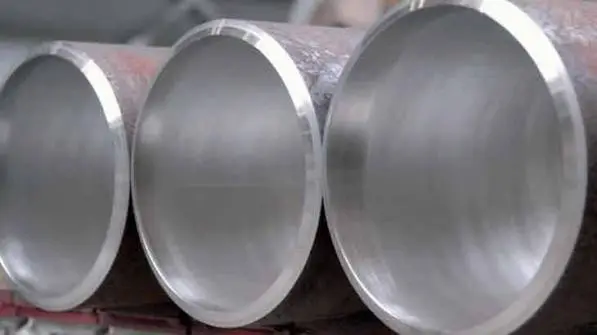
Understanding Carbon Steel Backing with SS 316L Clad Pipe
The engineering idea behind this composite piping technology solves one of the most important problems in industry: how to balance mechanical strength with corrosion resistance while keeping costs low. Carbon steel is used as the backbone because it can hold pressure and keep the structure strong in high-stress situations. The SS 316L covering protects against corrosive media that would quickly break down regular carbon steel.
Manufacturing Process and Bond Integrity
To make these composite pipes, manufacturers use a number of advanced bonding methods. Explosive bonding uses a controlled explosion to connect the carbon steel backing to the stainless steel layer at the atomic level. This creates a high-strength metallurgical bond that satisfies the applicable shear strength requirements specified by the relevant standards. Hot roll bonding uses both heat and pressure at the same time to make a strong bond that covers the whole area of the pipe. Weld overlay puts down a layer of corrosion-resistant metal by using precise welding methods. Our metallurgical coating process makes sure that the CRA layer won't come apart even when it's subjected to high-pressure cycles and bending stress. This makes the product reliable for its entire operating lifecycle.
Performance is directly affected by the strength of the bond. When we make something at our factory, we test it with 100% ultrasonic testing (UT) to find any delamination or fusion problems between the layers. By testing sample sections for destructive shear strength, we can be sure that the bond integrity meets the requirements. This means that the composite structure can withstand installation stresses like bending and reeling during offshore deployment.
Key Specifications and Material Properties
Knowing the technical specifications helps you make smart decisions about what to buy. The backing material is usually made of high-yield carbon steel grades like API 5L X42 to X70, which are chosen based on the operational loads and pressure ratings that are needed. The SS 316L cladding layer is usually between 3mm and 6mm thick. The exact thickness is based on figures that take into account corrosion and the expected service life.
The SS 316L layer's chemical make-up meets ASTM A240 standards; it has 16–18% chromium, 10–14% nickel, and 2–3% molybdenum. This gives it great resistance to pitting and crevice corrosion in chloride-rich environments. The carbon steel backing meets ASTM A516 or an equivalent standard, which means it is tough enough and can be welded. Diameters range from 4 inches to 48 inches, so they can be used for a wide range of projects, from small setups to large pipeline systems.
CRA Clad Versus CRA Lined Pipes
Making the difference between clad and lined pipes clearer helps avoid design mistakes when buying things. Clad pipes feature a metallurgical bond between layers, creating a unified structure that performs as a single component without risk of bond delamination during operation. Lined pipes use mechanical bonding, which is usually hydraulic expansion, to join two pipes together. A stainless steel tube is pushed into a carbon steel backing pipe. Clad pipes have better technical performance and last longer in high-stress situations, even though lined pipes may be cheaper at first.
Which of these CRA-clad and lined-pipe choices to make depends on how things work. Clad pipe has a stronger bond, which is helpful for projects with complicated pipe geometries, temperature cycling, or changes in pressure. Since both technologies are still being made at our manufacturing facility, we can help you choose the best option based on your application needs and budget.
Advantages and Performance of SS 316L Clad Pipes in Industrial Applications
SS 316L clad pipes have a performance profile that meets important operating needs in many businesses. These hybrid structures are reliable in places where carbon steel alone would break quickly, and they also cost a lot less than options made of solid stainless steel.
Superior Corrosion Resistance in Harsh Environments
The molybdenum in SS 316L makes it very resistant to pitting corrosion caused by chloride. This makes these pipes perfect for use with seawater and installations near the coast. The inactive chromium oxide film that forms on the surface of stainless steel is self-healing when it gets broken, protecting against many corrosive substances. When hydrogen sulfide is present in sour service settings, the stainless steel barrier significantly reduces corrosion exposure of the carbon steel backing and helps improve resistance in sour service environments that would damage carbon steel pipes. Clad technology saves money by protecting against corrosion of solid metal at a much lower cost. This makes them perfect for H2S oilfields where failure can lead to safety issues and production stops.
This resistance to rust is important for chemical processing plants that handle acids, caustic solutions, and organic solvents. In high-temperature service, the material provides good oxidation resistance during intermittent service at temperatures up to about 870°C, although allowable service temperatures depend on the process environment and applicable design codes, which cover most industrial process conditions. Power plants that use these pipes in their condensate and feedwater systems report much shorter maintenance intervals than those that use carbon steel pipes of the same size. This means that the plants are more available and cost less over their lifetime.
Mechanical Strength and Durability Benefits
The carbon steel backing acts as a structural support to keep the pressure inside and support the structure. This two-layer design can handle the same amount of pressure as solid carbon steel pipes while still being as resistant to corrosion as solid stainless steel. The composite structure is very resistant to fatigue even when it is loaded and unloaded many times, which is common in pumping systems.
It's helpful to be able to weld things together during installation and upkeep. Welders who are qualified can join these pipes together using methods created for carbon steel backing material, paying extra attention to the stainless steel cladding layer. Our expert team gives instructions on how to weld that protects the stability of both layers, making sure that joints work reliably for the whole time they are in use. Even in tough situations, the material's impact toughness is good enough. For example, our ASTM A333 Grade 6 pipes are Charpy V-notch tested to make sure they don't break in cold or during LNG use at service temperatures as low as -45°C.
Application Sectors and Performance Data
The main market for these composite lines is in oil and gas activities. Corrosion resistance and mechanical strength are both good for subsea pipelines that carry production fluids. This is especially true in deepwater fields where repair costs are too high. Offshore bases use these lines in water injection systems to get more oil out of the ground. Because seawater is so corrosive, carbon steel would quickly break down in these systems. In sour gas areas, gathering methods depend on the stainless steel layer's ability to block H₂S.
SS 316L-clad pipes are used in process piping at chemical and petroleum plants to handle toxic intermediates and finished products. A large plant on the Gulf Coast said that moving from carbon steel to clad pipe in their alkylation unit increased the service life of their piping system by 300%. These pipes are used in water treatment plants that deal with industrial wastewater to keep them from corrosion and erosion caused by suspended solids in the water.
When comparing total purchase costs, the cost-performance value of CRA clad line pipe becomes apparent. Raw material costs for clad pipe are typically 30 to 50 percent lower than solid stainless steel pipes offering equivalent corrosion protection. The cost of installation stays the same because the steps for handling and welding are very similar to those used for carbon steel. Maintenance intervals get a lot longer, which lowers operational costs over the lifecycle of an asset. Because of these financial benefits, engineering firms increasingly specify CRA clad line pipe technology for both new construction projects and rehabilitation programs.
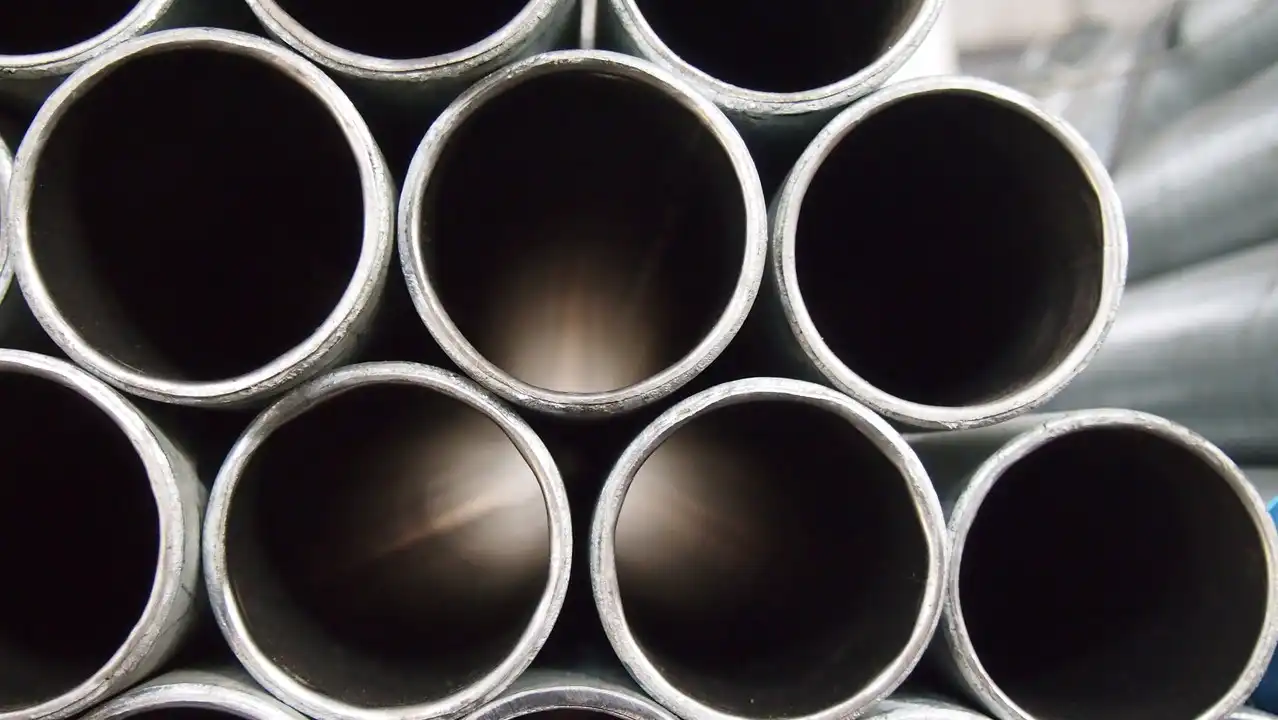
How to Choose Between CRA-Clad Pipe and CRA-Lined Pipe for Your Project?
To choose between clad and lined pipes, you need to look at a number of project-specific factors. Making the best choice affects both the original cost of capital and the reliability of operations in the long run.
Evaluating Corrosion Severity and Mechanical Demands
First, look at the environment that is corrosive. When there is a lot of acidity, chloride levels are above 500 ppm, or there is sour service with H₂S partial pressures above 0.05 psi, strong corrosion protection is needed. Extreme temperatures, like those below -45°C for cryogenic work or high temps close to 400°C, affect the choice of material. In serious corrosion situations, clad pipes usually work better than lined ones because they have a constant metallurgical bond that stops crevice corrosion at interfaces.
When thinking about mechanical loading, you should consider the working pressure, the regularity of pressure cycling, and the external loads that come from things like thermal expansion or earth settling in buried applications. The better bond strength of clad pipe is needed for projects that need to be bent in the field or have complicated manufacturing shapes. Lined pipes may work fine in straight-run situations with stable conditions and low corrosion exposure. They can save you money at first, as long as their limits don't affect how well they work.
Thickness Requirements and Pressure Rating Analysis
Corrosion resistance and expected service life are directly related to the thickness of the CRA layer. Standard practice says that the corrosion-resistant layer should be at least 3 mm thick. More thickness gives it a longer service life. Estimate the thickness that is needed by using operating experience or lab testing to figure out the corrosion rate. Then, add safety factors that are in line with industry standards. Our engineering team helps with these calculations and makes sure that the specs fit your maintenance mindset and operating timeline.
The pressure rating is mostly based on the thickness and grade of the carbon steel backing wall. The pressure that the composite pipe can hold is the same as the backing material by itself, because the thin layer of stainless steel doesn't add much to the strength of the hoop. This lets you figure out the normal pressure rating according to ASME B31.3 or any other piping rule that applies. Make sure that the grade of steel used for the backing and the thickness of the wall meet your pressure needs with enough room for error.
Supplier Evaluation and Quality Assurance
Choosing a qualified maker has a big effect on how the project turns out. Check out production certifications like ISO 9001 quality management systems and product-specific approvals like API 5LD for making clad pipes. We have foreign certifications like CE and GOST-R, and we are a qualified supplier for big energy companies like NIOC, ADNOC, and Petrobras. This shows that we can meet strict quality standards.
Project schedules are kept safe by manufacturing capacity and transportation dependability. Our site consistently makes more than 800 tonnes of pipe fittings and 700 tonnes of flanges every month, and more than 95% of those orders are delivered on time. When specifications change or faster shipping is needed, manufacturing flexibility is important. Our foreign trade team responds to inquiries within one hour, which speeds up the process of getting quotes and processing orders. We can make custom parts from DN15 to DN2000, so we can meet your needs no matter how big or small the project is.
Different places and end-user standards have different requirements for quality documentation. Ensure that your chosen supplier provides comprehensive material test reports detailing chemical composition analysis, including Positive Material Identification (PMI), mechanical property test results, and records of non-destructive examinations. Our quality control system includes getting materials, managing production, inspecting, packaging, keeping track of inventory, verifying orders before they are shipped, and providing service after the sale. This makes the whole manufacturing process traceable.
Conclusion
Carbon steel backing with SS 316L clad pipe specification has been shown to work well in harsh industrial settings where carbon steel alone would fail quickly, and it costs a lot less than solid stainless steel options. The metallurgical link between layers protects against rust and ensures mechanical stability, meeting the strict needs of industries like oil and gas, chemical processing, and power generation. Choosing qualified suppliers with a track record of manufacturing knowledge, thorough quality systems, and quick technical support saves project investments and guarantees long-term operation that performs reliably. The long-term worth of these composite lines is greatly increased when they are bought, installed, and maintained correctly.
FAQ
1. What is the expected service life of SS 316L-clad pipes with carbon steel backing?
Service life depends on operating conditions, including corrosion rates, pressure cycling, and maintenance quality. Under typical industrial conditions with proper installation and maintenance, these pipes routinely achieve 20-30 year service lives. Severe corrosive environments may reduce this timeframe, while mild conditions can extend life beyond 30 years. Periodic inspection and thickness monitoring enable data-driven replacement decisions rather than arbitrary retirement schedules.
2. Are SS 316L-clad pipes suitable for highly acidic environments?
SS 316L demonstrates good resistance to many organic acids and weak mineral acids under moderate conditions. If the content of sulphuric acid is above 80% or hydrochloric acid is above 10%, it may be too strong for SS 316L. In this case, stronger metals like Alloy 625 or 825 cladding might be needed. To make sure the material is right for the job, look at corrosion engineering data that is specific to your process chemicals and working temperature.
3. How do I determine the appropriate stainless steel liner thickness for my application?
To find the corrosion allowance, increase the predicted rate of corrosion by the design life in years, and then add the tolerances for manufacturing and fitting. The thinnest cladding that can be used normally starts at 3 mm, which is long-lasting for handling and allows for future corrosion allowance. If you need a longer service life or work in an aggressively corrosive environment, you may need 5–6 mm cladding layers, which means paying more for the materials but not having to replace them as often.
Partner with JS FITTINGS for Reliable CRA Clad and Lined Pipe Solutions.
JS FITTINGS brings 43 years of specialized manufacturing experience to your most demanding piping projects. As a certified CRA Clad and Lined pipe provider holding ISO, CE, GOST-R, and qualified partner standing with NIOC, ADNOC, and Petrobras, we deliver composite piping solutions meeting strict international standards. Our ability to produce more than 30,000 tonnes per year and our record of delivering on time 95% of the time or more ensure that your project plans stay on track. Get in touch with our engineering team at admin@jsfittings.com to talk about your carbon steel backing with SS 316L clad pipe needs. We offer custom solutions from DN15 to DN2000, quick quotes within an hour, and full technical support throughout the entire lifecycle of your project.
References
1. American Petroleum Institute. (2009). Specification for CRA Clad or Lined Steel Pipe, API Specification 5LD, Third Edition. Washington, DC: API Publishing Services.
2. ASTM International. (2018). ASTM A240/A240M-18: Standard Specification for Chromium and Chromium-Nickel Stainless Steel Plate, Sheet, and Strip for Pressure Vessels and for General Applications. West Conshohocken, PA: ASTM International.
3. ASTM International. (2016). ASTM A333/A333M-16: Standard Specification for Seamless and Welded Steel Pipe for Low-Temperature Service. West Conshohocken, PA: ASTM International.
4. Det Norske Veritas. (2013). DNV-OS-F101: Submarine Pipeline Systems. Oslo, Norway: DNV GL Group.
5. American Society of Mechanical Engineers. (2018). ASME B31.3-2018: Process Piping, ASME Code for Pressure Piping, B3 1. New York, NY: ASME Press.
6. Pouraria, H., Soudejani, M.T., & Barber, G.C. (2020). Metallurgical Bonding Mechanisms in Explosive Welding of Stainless Steel to Carbon Steel. Journal of Materials Engineering and Performance, 29(6), 3892-3902.
Send Inquiry
You may like
Related Industry Knowledge
- How Does a Buttweld Tee Improve Flow Distribution Systems?
- Buttweld Bend for High-Pressure & High-Temperature Service
- Buttweld Bend Dimensions: LR, SR & Custom Radius Guide
- Cold Drawn vs Hot Rolled ASTM A312 Seamless Pipe: Key Differences
- What is CRA clad pipe?
- API 5L Seamless Steel Line Pipe for Pipelines Explained
- Lap Joint Pipe Flanges: How and When to Use Them
- Buttweld Elbow vs Socket Weld Elbow: Key Differences Explained
- What causes porosity in carbon steel pipe welding?
- What is a plate flange used for?