
API 5L Seamless Steel Line Pipe for Pipelines Explained






2026-06-12 11:23:23
When planning critical infrastructure projects involving hydrocarbon transmission or high-pressure fluid transport, selecting the right pipe material becomes a decision with lasting consequences. API 5L Seamless Steel Line Pipe represents a proven solution designed for demanding pipeline applications across oil and gas, petrochemical, and water distribution sectors. These pipes are manufactured without longitudinal weld seams, offering uniformity in strength and reliability under extreme operating conditions. Understanding the technical specifications, performance advantages, and procurement considerations of these pipes enables project managers and engineers to make confident sourcing decisions that minimize risk while meeting safety and budgetary requirements.

Understanding API 5L Seamless Steel Line Pipes
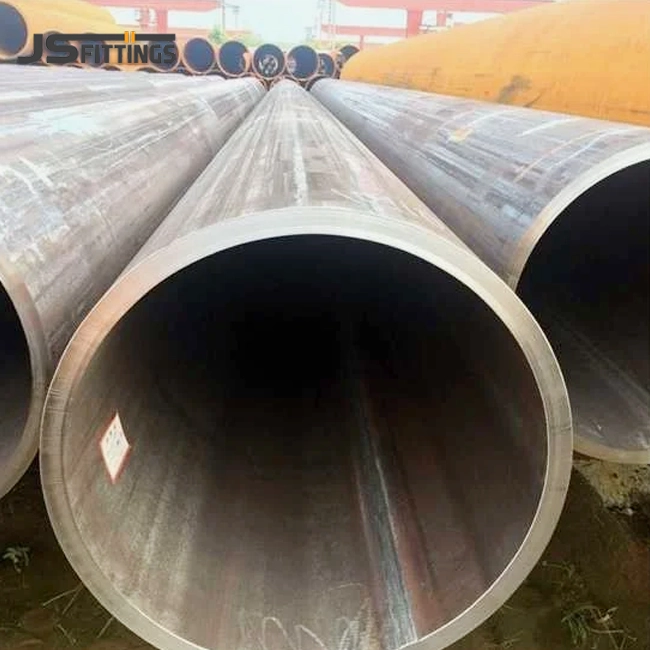
The process used to make API 5L seamless steel line pipes is very different from that used to make welded pipes. Instead of rolling flat steel into a cylinder and then joining the sides, seamless pipes start out as solid billets of steel that are heated to very high temperatures and pierced and rolled into hollow cylindrical shapes. This method gets rid of the weld joint completely, making a pipe with the same mechanical features all the way around.
Key Manufacturing Standards and Specifications
API 5L sets exact limits on the chemical makeup of each pipe grade. These limits control things like carbon, manganese, sulfur, and phosphorus to make sure the pipes can be welded and are tough. The mechanical properties of each grade range from Grade B, which has a minimum yield strength of 35,000 psi, to Grade X70, which has a minimum yield strength of 70,000 psi. This lets engineers fit the pipe strength to the working pressure needs. These pipes meet two product specification levels: PSL1 is for general use, and PSL2 is for projects that need stronger quality controls, impact tests, and smaller chemical composition tolerances.
The lack of a longitudinal weld seam ensures maximum pressure stability, which is a common worry in projects with a lot at stake. Welded pipes can have weak spots where the seams are, but seamless construction makes the strength the same all over, making it less likely that the pipe will break in a big way when it is under constant pressure or temperature changes.
Grades and Their Applications
Our stock range includes different grades that can be used for different types of projects:
- Grade B: General-purpose uses with modest temperature and pressure needs
- X42 and X46: Medium-strength lines that are a good balance between performance and cost
- X60 and X65: High-strength versions for long-distance transfer that need to be pressure-optimized
- X70: A high-strength grade for critical applications requiring enhanced strength and reliability
For each grade, strict testing procedures are used, such as hydrostatic pressure tests, ultrasonic inspection, and Charpy V-Notch impact tests, to make sure it meets the required material and physical standards. This quality control step is very important for PSL2 pipes that are used in sour service environments with hydrogen sulfide or for operations that happen at low temperatures.
Comparing Seamless Pipes with Welded Alternatives
When buying pipelines, people often have to weigh the pros and cons of both seamless and welded pipe methods. ERW (Electric Resistance Welded) pipes are cheaper in smaller sizes, but they have limits on how well they can join. Longitudinal Submerged Arc Welded (LSAW) pipes can have bigger sizes, but they need to be heated again after the welding process to even out the heat-affected area.
Structural and Performance Differences
There are a number of measured benefits to using API 5L Seamless Steel Line Pipes. The even grain structure made during the hot-forming process lets you know how the material will react to mechanical stress and heat expansion. Field engineers like how precise the measurements are. Controlled limits on wall thickness and ovality help ensure efficient fit-up during construction, which saves time and money on labor.
The smooth inside surface of seamless pipes cuts down on friction losses while fluids are being moved. Over thousands of miles of piping, this apparently small benefit adds up to big energy savings because less pumping is needed and there is less internal erosion.
There are small but important differences between seamless pipes and goods that meet the ASTM A106 standard. Both work with high pressure, but API 5L is designed to work with pipeline transportation, with specific testing methods and size ratios that match the needs of transmission infrastructure. ASTM A106 is mostly used for general-purpose pressure pipes in processing plants and factories.
Applications and Advantages of API 5L Seamless Steel Line Pipes
API 5L Seamless Steel Line Pipes have a clear value proposition because they have been used for decades and have been shown to work well. Knowing where these pipes really shine helps buying teams defend their choices about specifications and project budgets.
Primary Industrial Applications
The primary use is transporting crude oil and natural gas, especially over long distances, where adjusting the pressure has a direct effect on the cost of doing business. These pipes carry oil and gas from production fields to plants. They often go through rough terrain and must be reliable at all times.
The additional safety margin provided by seamless pipes is important for natural gas delivery networks that serve both urban and rural markets. The lack of seam-related failure modes gives companies that manage infrastructure in underpopulated places peace of mind.
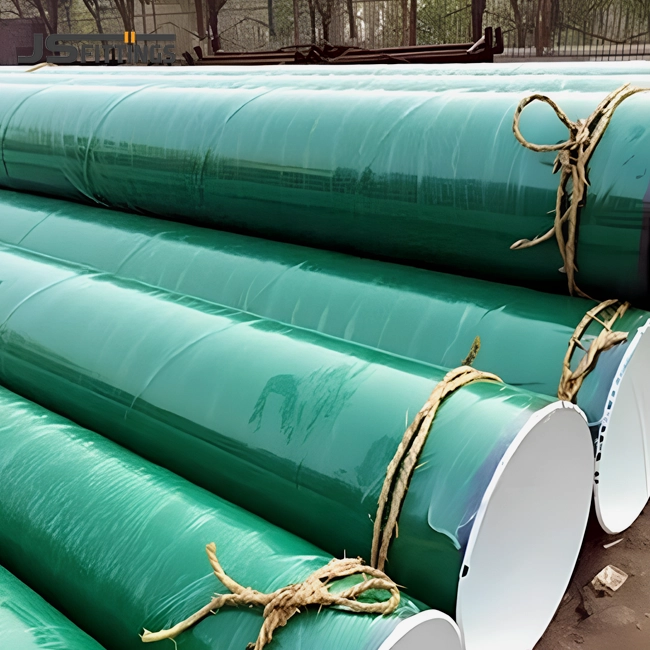
Corrosion resistance is improved in petroleum product pipes that move refined products like gasoline, diesel, and jet fuel by using the right coating methods and seamless construction. Surface treatments that can be used on our pipes include 3PE (three-layer polyethylene), FBE (fusion-bonded epoxy), and custom finishes that are made to work in certain environments.

Operational Advantages Driving Procurement Decisions
In addition to the initial cost of purchase, smooth pipes provide value over their entire life by requiring less upkeep and lasting longer. The even mechanical strength stops stress from building up in welded pipes, especially where seams meet or where heat affects the material.
Our pipes are made to meet the strict NACE MR0175 standards for sour service, which solves the very important problem of hydrogen sulfide exposure in some rock types. As part of the approval process, materials must be carefully chosen and tested to make sure they are resistant to sulfur stress cracking and hydrogen-induced cracking.
When seawater corrosion, hydrostatic pressure, and installation stresses all come together in offshore and subsea systems, they have to handle a lot. Seamless pipe building gets rid of one possible way for something to fail, which makes figuring out the risk easier and improves the project's insurance rating.
The precise control of dimensions we keep during production has a direct effect on how quickly and easily things are built. Welders who work on-site can complete girth welds more quickly and consistently, which cuts down on building times and the costs that come with them.
Procurement Guide for API 5L Seamless Steel Line Pipes
To buy API 5L seamless steel line pipes successfully, you need to find a mix between technical compliance, cost management, and source dependability. Our decades of experience working with EPC contractors, wholesalers, and industry end-users have helped us come up with useful tips for getting through this process.
Essential Supplier Evaluation Criteria
Quality assurance is based on checking that the certification is real. Legitimate suppliers maintain up-to-date API monogram licenses and provide comprehensive Mill Test Certificates (MTCs)—for every specification, whether it's a standard Sch 40 or a heavy-wall Sch 80 API 5L Grade B seamless steel pipe. These reports strictly document the chemical analysis, mechanical testing, and non-destructive examination results for each individual pipe lot.
Delivery dependability is affected by production capacity, especially for big projects that need exports to happen in stages. Knowing how much a seller can produce each month and how many orders are already backlogged helps procurement teams make realistic project plans. Our facility can handle more than 30,000 tons of cargo every year, and 90 or more containers are shipped every month, meeting the needs of both big infrastructure projects and smaller area needs.
Customization and Technical Support
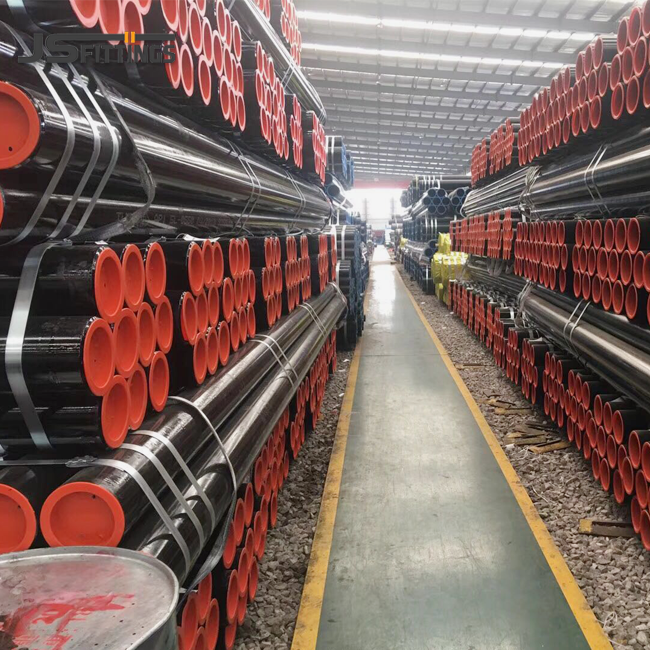
Standard standards can be used for many things, but for complicated projects, they often need to be changed. The sizes we offer range from 1/2" to 26", and the wall thicknesses go from Schedule 10 to Schedule 160. Customizing the length makes it easier to use in different situations. Standard lengths are 20 feet or 40 feet, and custom cutting services cut down on field waste and make dealing faster and easier.
End preparation choices, such as straight or beveled ends, match the welding processes for the job. Protection caps made of iron or plastic keep pipe threads safe while they are being moved or stored, stopping damage that could weaken the seal.
Price Factors and Making a Budget
The quality of the material has a big effect on the price. For example, higher-strength metals cost more but are better at what they do. The number of orders has an effect on unit costs by making production more efficient and sending more items at once. Market factors, such as the cost of raw materials and the usage of production capacity, cause variability that can be managed by strategic buying timing from experienced providers.
When negotiating a large order, it helps to know how the supplier sets their prices. Our clear price method helps buying teams make accurate budget models that meet the quality standards their projects need.
Choosing the Right Supplier: Manufacturers and Partners You Can Trust
The supplier connection for API 5L Seamless Steel Line Pipes is more than just buying pipes; it's teamwork that helps the project succeed. Choosing makers with a history of success lowers the risk of procurement and gives you access to professional support throughout the lifecycle of a project.
Hallmarks of Reliable Suppliers
API approval shows basic trustworthiness, but a more thorough evaluation shows how good a seller really is. ISO 9001 quality management systems show that you are dedicated to making sure that your processes are always the same and getting better. Our plant has ISO, CE, and GOST-R certifications, and it is also an accepted supplier for big oil companies like Petrobras, National Iranian Oil Company, and Abu Dhabi National Oil Company.
In specialized manufacturing, production knowledge is very important. Since 1983, we've been making pipe fittings and line pipes. During that time, technology has changed from simple forming methods to more complex mechanical controls. This built-up information can be used to solve real-world problems when projects run into unexpected problems.
Technical help skills are what set good providers apart from great partners. Our engineering team helps with choosing materials, figuring out what the specs mean, and working with the project design teams. This way of working together helps keep design mistakes from being too expensive and makes sure that delivered goods fit right into installation processes.
Value-Added Services Supporting Project Success
In addition to providing basic products, having a wide range of services makes procurement easier. Our one-stop solution includes organized delivery of parts that work well together, such as flanges, fittings, and accessories. This makes handling easier and cuts down on administrative costs.
Our seven-system framework includes supplying materials, managing production, QC processes, packing, inventory management, pre-shipment inspection, and service after the sale. Tough quality control checks all of these areas to give you peace of mind at every stage of the project. Our dedication to dependability is shown by the fact that we deliver on time more than 95% of the time and maintain a customer repurchase rate of more than 98%.
Flexible trade support lets different contract forms and payment terms work for buying things across borders. Our international trade team possesses extensive expertise in customs clearance, shipping logistics, and complex documentation. We routinely assist companies that are unfamiliar with global procurement, ensuring they receive the exact API 5L seamless steel pipe dimensions and specifications they require without any bureaucratic delays.
Conclusion
To choose the right line pipe for vital infrastructure, you have to find a balance between technical performance, cost-effectiveness, and supplier trustworthiness. There are clear benefits to using API 5L seamless steel line pipes because they don't have any weld gaps, have consistent mechanical features, and meet strict industry standards. Knowing the differences between grades, spotting signs of good making, and working with sellers with a lot of experience all set up project teams for success. Investing in proper specification and purchase pays off over many years with reliable service, fewer repair calls, and safer operations.
FAQ
1. What are typical lead times for API 5L seamless pipe orders?
Standard specifications for API 5L seamless steel line pipe from our extensive inventory can often be shipped much faster. However, for new production runs, standard lead times are typically 25 to 35 days from order confirmation, depending on the required volume and current mill capacity.Custom specs that need special tests or heat treatments may add 10 to 15 days to the lead time. We give clear schedules during the quote process to help with accurate project planning.
2. Can seamless pipes be customized for specific project requirements?
Yes, you can customize it by choosing from different lengths, end preparation styles, finishing systems, and testing methods that go beyond what is required by the API. Our engineering team looks over unique specs to make sure they can be made and that project performance goals are met. Small-batch trial orders help test prototypes before committing to full production.
3. How do I verify API 5L certification authenticity?
Real API-certified makers give mill test reports with heat numbers that can be linked to chemistry analysis and mechanical testing results. The API logo on pipe bodies is linked to license records that can be found in the online database of the American Petroleum Institute. We provide full paperwork packages that support project quality assurance and third-party verification procedures.
Partner with JS FITTINGS for Reliable Pipeline Solutions
JS FITTINGS has been making high-quality products for over 40 years and can help you with your important pipeline projects. As a qualified provider for some of the biggest energy companies in the world, we know the standards that your system must meet. We have grades B through X70 of API 5L Seamless Steel Line Pipe in sizes up to 26 inches. These pipes are certified by ISO, CE, and GOST-R. With more than 90 containers shipped every month and more than 95% of deliveries happening on time, we provide the supply stability that keeps building plans on track. Please email our team at admin@jsfittings.com to talk about your needs with experienced engineers who provide answers, not just goods. Find out why top contractors choose JS FITTINGS as their source for seamless steel pipes by getting your full quote today.
References
1. American Petroleum Institute. (2018). Specification for Line Pipe: API Specification 5L, Forty-sixth Edition. Washington, DC: API Publishing Services.
2. Bai, Y., & Bai, Q. (2014). Subsea Pipeline Design, Analysis, and Installation. Oxford: Gulf Professional Publishing.
3. Mohitpour, M., Golshan, H., & Murray, A. (2007). Pipeline Design & Construction: A Practical Approach, Third Edition. New York: ASME Press.
4. Palmer, A. C., & King, R. A. (2008). Subsea Pipeline Engineering, Second Edition. Tulsa: PennWell Corporation.
5. Revie, R. W. (2015). Oil and Gas Pipelines: Integrity and Safety Handbook. Hoboken: John Wiley & Sons.
6. Xie, M., & Tian, Z. (2018). Welded Steel Pipe Manufacturing Processes: From Raw Materials to Finished Products. Beijing: Metallurgical Industry Press.
Send Inquiry
Related Industry Knowledge
- Stainless Steel 316L Buttweld Tee for Offshore Pipelines
- CRA Clad Pipe: Applications, Benefits, and Future Trends
- How Are Carbon Steel Forged Steel Flanges Heat Treated?
- What is the material of A53 ERW Pipe?
- CRA Clad Line Pipe for Subsea and Offshore Pipelines
- Slip-On Flange Uses and Applications
- Understanding the API 5L Seamless Steel Line Pipe Specification
- Why Is a Seamless Buttweld Tee Preferred in Critical Service?
- Lap Joint Pipe Flanges: How and When to Use Them
- Why Is Long Radius Buttweld Elbow Preferred in Oil & Gas?