
Custom CRA Clad Flanges and Pipes for Corrosive Media






2026-07-30 11:12:19
When industrial environments expose piping systems to aggressive chemicals, high temperatures, or sour gas conditions, standard carbon steel simply won't last. Custom CRA-clad and lined pipe solutions address this challenge by combining the structural strength of carbon steel backing with the exceptional corrosion resistance of high-performance alloys. This composite approach delivers reliable protection in the harshest media while controlling capital expenditure—a critical balance for project managers tasked with minimizing risk, ensuring compliance, and meeting tight deadlines. Whether you're sourcing for subsea pipelines, chemical processing units, or cryogenic LNG terminals, understanding the technical advantages and procurement strategies behind these engineered products can transform your project outcomes.
Understanding CRA-Clad and Lined Pipes: Definition and Key Differences
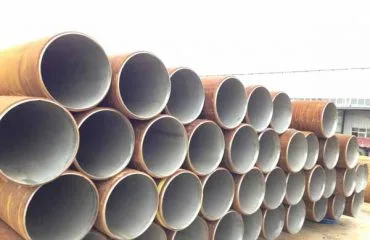
CRA-clad and lined pipe is an advanced composite piping technology that combines the strength of carbon steel or low-alloy steel with an interior, corrosion-resistant layer. The backing material is usually made of high-yield carbon steel that meets API 5L standards (X42 to X70 grades), which keeps the pressure in and gives the structure strength. Austenitic Stainless Steel (316L, 304L), Duplex Stainless Steel (2205), or Nickel-based alloys like Inconel 625 and Incoloy 825 are used for the internal CRA layer. The materials are chosen based on the corrosive environment and operational parameters.
Clad vs. Lined: Manufacturing and Performance Differences
The main difference between clad and lined pipes is how they are joined together. Clad pipes get a metallurgical bond through explosive bonding, hot roll bonding, or weld overlay. This makes the backing steel and the CRA layer completely fuse together. The shear strength of this metallurgical bond is typically higher than 140 MPa in accordance with API 5LD requirements. This means that the pipe can handle complicated bending operations during installation without the risk of delamination. Our cladding process makes sure that the CRA layer stays strong even when it's subjected to high-pressure cycles and bending stress, which can happen during reeling operations in underwater installations.
A mechanical bond is used for lined pipes. This is done by expanding an inner CRA sleeve against the outer carbon steel pipe, either hydraulically or mechanically. While this method can provide cost savings in certain applications, the mechanical bond makes it unsuitable for installations requiring extensive field bending, or where severe thermal cycling could compromise the fit between the layers.
Material Selection and Corrosion Resistance
Which CRA material to use depends on the type of acidic media that are present. Alloy 625 is very good at resisting pitting and crevice corrosion in places with a lot of salt. It also works very well in places where hydrogen sulphide (H₂S) is present. For chemical industrial uses, Alloy 825 offers excellent resistance to many sulphuric and phosphoric acid environments. 316L stainless steel is a cost-effective way to protect against a wide range of chemicals in general corrosive conditions with mild temperatures.
Compared to solid alloy piping, CRA clad and lined technology cuts material costs by 30 to 50 percent, while delivering comparable corrosion resistance under the intended service conditions. Instead of stress corrosion cracking happening in chloride-rich settings like it can with stainless steel, the right CRA layers protect against specific types of corrosion, such as pitting, crevice corrosion, and stress corrosion cracking.
The Manufacturing Process of Custom CRA Clad Pipes and Flanges
Advanced Cladding Techniques
JS FITTINGS uses a variety of cladding methods to meet the needs of different projects. Weld overlay is a method of adding a corrosion-resistant alloy to a base material using automated welding processes. This gives you full control over the layer's thickness and chemical composition. To keep the corrosion-resistant properties of the CRA layer, our weld overlay procedures strictly control the iron dilution from the backing steel. This is a key factor that was confirmed through chemical composition analysis using Positive Material Identification (PMI) equipment.
When controlled explosive force is used to speed up one metal plate against another at high speed, a metallurgical bond is made for CRA-Clad and Lined pipe. This method creates a wavy metallurgical interface with exceptional bond strength, allowing dissimilar metals to be joined while mitigating the microstructural issues typically associated with welding heat-affected zones (HAZ). The bond strength that was achieved easily goes above 140 MPa, giving trust during field-bending operations.
Quality Control Standards and Certifications
Tough quality control separates trustworthy sellers from those selling low-quality goods. We use full inspection procedures based on API 5LD and DNV-OS-F101 standards at our location. UT scans the whole bonded surface to find any delamination or areas where the backing steel and CRA layer don't stick together. Tests of destructive shear strength on sample sections show that the bond integrity meets or exceeds the minimum requirements.
Hydrostatic testing ensures leak tightness and verifies structural integrity at pressures exceeding the design parameters. At our testing facility, each production batch is put under pressures that are calculated based on ASME B31.3 standards. These pressures are held for the length of time that the project requirements specify. Dimensional checks make sure that the design life is valid by checking the wall thickness tolerances, ovality, and especially the thickness of the CRA layer.
Customization Flexibility and Lead Times
We keep production capabilities covering DN15 to DN2000 in diameter ranges because we know that industrial projects rarely fit normal catalogue dimensions. Our flexible production system can handle custom wall thickness requirements, unique alloy combinations, and non-standard diameters. Our production management system organizes the procurement of raw materials, planning of output, and quality checks to make sure that supply times are met as efficiently as possible.
We respond to customer inquiries within an hour, giving them basic technical reports and confirming that the project is feasible. Order volume and the complexity of the specifications affect standard production wait times, which run from 4 to 8 weeks. However, critical path items can be put on faster schedules. We keep up the production volume needed to support both large EPC contractors and smaller engineering firms. Each month, we can make more than 800 tonnes of pipe fittings and 700 tonnes of flanges.
Applications and Industry Use Cases of CRA Clad Pipes and Flanges
Oil and Gas Sector Applications
One of the toughest places for CRA-Clad and Lined pipe technology to be used is on submarine pipes and risers that work in deep-water sour service areas. When raw hydrocarbons are moved from wellheads, they often have high partial pressures of hydrogen sulphide and carbon dioxide, which break down standard carbon steel very quickly. Our CRA-clad pipes, featuring Inconel 625 inner layers, have been deployed in major projects where failure would result in catastrophic environmental and financial consequences.
The cost-effective CRA-clad and lined pipe technology we offer is very helpful for sour service oilfields. It's possible to protect against corrosion with solid alloy at a much lower cost, which makes economic field development possible that wouldn't be possible with solid nickel alloy pipe. The strong bond makes sure that the CRA layer won't come off, even if the fitting is stressed or the pressure changes during use.
Chemical Processing and Petrochemical Plants
At high temperatures and pressures, chemical processing plants handle concentrated acids, alkalis, and corrosive catalysts. Transport lines for sulfuric, hydrochloric, and phosphoric acids require materials capable of withstanding both general corrosion and localized attack, making CRA-clad pipes the ideal solution. Petrochemical sites have asked us to make custom CRA-clad and lined pipe flanges and pipes that must have both high mechanical strength and chemical protection.
A petroleum plant in the Middle East needed 316L-lined pipes for a nitric acid production unit as part of a big project. The engineering firm chose lined construction as a cost-effective way to protect against corrosion. Our technical team gave the client production paperwork that showed the products met ASME B16.5 flange standards and ASTM A333 pipe specs. This helped the client meet both safety requirements and project cost goals.
Cryogenic and LNG Applications
Our ASTM A333 Grade 6 pipes are made for service in sub-zero temperatures and are specialized solutions for harsh circumstances. Designed for service temperatures down to -45°C, these pipes are essential for LNG processing plants, arctic pipelines, and cold storage facilities. Our ASTM A333 Gr 6 pipes undergo rigorous Charpy V-notch impact testing to ensure they maintain superior ductility and toughness, preventing brittle fracture in extreme cryogenic environments.
Combining ASTM A333 Grade 6 carbon steel backing with an appropriate CRA layer provides a practical solution for certain cryogenic and corrosive service applications that keeps the structure strong at cryogenic temperatures and protects it from rust caused by process fluids. Because it can do two things, it meets the requirements of many low-temperature utility and auxiliary piping systems associated with LNG facilities, which have harsh temperatures and impurities that eat away at materials.
Water Injection and Desalination Systems
Enhanced Oil Recovery (EOR) operations keep pressure in reservoirs by pumping seawater into them. This makes it easier to get hydrocarbons out of the ground. The high chloride content and dissolved oxygen in seawater eat away at normal pipe materials very quickly. CRA-clad and lined pipes are a cheap way to keep internal scaling and corrosion from happening over long injection line distances.
High-salinity feedwater and concentrated brine streams can be hard for desalination plants in the same way. When chlorides, high temperatures, and fast flow rates come together, they make conditions that are good for pitting and crevice corrosion. Our Duplex 2205 CRA Clad and Lined pipes are very good at resisting rust caused by salt while still having the mechanical qualities needed for high-pressure uses.
How to Choose the Right CRA-Clad Pipe and Flange Supplier for Your Business?
Supplier Certifications and Quality Credentials
Getting qualified suppliers is an important step because procurement decisions carry a lot of project risk. Some of the certificates that JS FITTINGS has are for the ISO 9001 quality management system, the CE mark for European markets, and the GOST-R mark for projects in Eastern Europe and Central Asia. In addition to general quality certifications, we are also an approved vendor for major energy companies like Petrobras, the National Iranian Oil Company (NIOC), and the Abu Dhabi National Oil Company (ADNOC).
These standards are more than just paperwork; they show that the manufacturing process has been checked, quality systems have been written down, and success records have been proven. When looking at possible providers, make sure that their certifications are up-to-date and relevant to the needs of your product. The inspection reports we get from outside groups give us a neutral way to check the properties of the materials and make sure they meet the required specifications.
Technical Support and Engineering Services
Suppliers you can trust offer more than just products; they also offer solutions. Metallurgists and piping engineers on our technical team have decades of experience matching CRA Clad and Lined pipe materials to environments that are prone to corrosion. During the inquiry stage, we look at the process conditions, such as the type of fluid, the working temperature and pressure ranges, and the projected service life, in order to suggest the best alloys.
This consultative method saves layers of mistakes in material selection that cost a lot of money. When a distributor is looking for goods, we can help them figure out which alloy mixtures can be used in the most situations for their customers. An EPC contractor with tight project plans gets quick answers to technical questions, which lets engineering move forward without delay.
Inventory, Flexibility, and Delivery Performance
Suppliers must be able to keep their promises because of project schedules. Every month, our plant ships more than 90 containers, and more than 95% of them arrive on time. By keeping a strategic stock of common base materials and popular alloy combinations, we can cut down on lead times for standard configurations. Our production planning system matches the ordering of raw materials with the plans for fabrication to make sure that delivery times are as short as possible for custom orders.
Local fitters and small engineering firms appreciate that we are a flexible clad steel pipe manufacturer. We are ready to support sample production and small-batch trial orders. This gives you the freedom to carefully consider the materials before committing to full project amounts. Larger EPC contractors depend on our ability to quickly increase production when work on a project speeds up.
Conclusion
In conclusion, custom-made CRA-clad and lined pipes and flanges have been shown to work well in the toughest industrial settings. When you combine the strength of carbon steel with alloys that are resistant to corrosion, you get the best solution that balances technical performance with cost-effectiveness. Choosing the right materials and sources is important for any project, whether it's for producing sour gas, handling cold LNG, processing chemicals, or injecting seawater. When you're looking at providers, you should look for the following specialized skills: thorough quality control, metallurgical bonding methods, and more. Qualified suppliers have the skills to help you with your most important projects. Qualified suppliers should have decades of manufacturing experience and proven cooperation records with major global energy companies.
FAQ
1. What is the standard lining thickness for CRA-clad pipes in corrosive applications?
The thickness of the CRA layer changes depending on how harsh the application is and how much corrosion is allowed. The usual layer of cladding is between 3mm and 5mm, which protects well against rust while keeping costs low. For welding overlays, thinner layers (2–3 mm) may be required if the metal chosen has excellent corrosion protection. While API 5LD provides the manufacturing requirements, the required CRA thickness is typically specified by the project design and corrosion allowance, depending on the pipe's diameter and pressure class. To make sure plans meet both safety standards and cost goals, our engineering team figures out the needed thickness by looking at the rate of corrosion, the expected service life, and the mechanical property needs.
2. How do CRA-clad pipes compare to solid alloy pipes in terms of corrosion resistance and cost-effectiveness?
CRA-clad and lined pipes protect against rust just as well as solid metal construction, but they cost 30–50% less. Corrosion protection is solely based on the make-up and thickness of the internal CRA layer, which are the same factors that affect solid metal pipe. The carbon steel backing doesn't protect against corrosion, but it does provide mechanical strength and pressure containment at a much lower cost than solid nickel alloy. Because of this, CRA Clad and Lined pipe technology is perfect for high-pressure, large-diameter jobs where solid alloy pipe would be too expensive.
3. Can I order custom dimensions and small quantities for trial projects?
Of course. We can make custom sizes from DN15 to DN2000, and we can also take small trial orders. This gives you the freedom to carefully consider the materials before committing to full project amounts. Our minimum order quantities depend on the job and take into account the prices of setting up production and getting the materials we need. We've worked with both small engineering firms that only needed a few pieces for test installations and large EPC contractors that needed hundreds of tonnes. Get in touch with our expert team to talk about your unique needs.
Partner with a Trusted CRA-Clad Pipe Manufacturer
JS FITTINGS can help you with your acidic media problems because they have been making specialized parts for over 40 years. As a certified CRA-clad and lined pipe supplier to some of the world's biggest energy companies, we offer both proven cladding expertise and diverse manufacturing capabilities. We answer questions within an hour, deliver over 95% of the time, and ship more than 90 crates every month to customers in 30 countries. If you need ASTM A333 cryogenic-grade pipes, API 5LD clad construction, or special flange configurations with Inconel 625 cladding, our engineering team can help you with the details and make sure the quality of your projects. Contact admin@jsfittings.com right away to talk about your specific needs and get a detailed technical proposal backed by our quality management system that is ISO 9001 certified and has international certifications from NIOC, ADNOC, and Petrobras.
References
1. American Petroleum Institute. "Specification for CRA Clad or Lined Steel Pipe API 5LD." Fourth Edition, 2019.
2. ASME International. "ASME B31.3 Process Piping: Materials, Design, and Fabrication Requirements for Corrosive Service." 2020 Edition.
3. DNV GL. "Offshore Standard DNV-OS-F101: Submarine Pipeline Systems - Material Selection and Corrosion Control." October 2017.
4. ASTM International. "ASTM A333 Standard Specification for Seamless and Welded Steel Pipe for Low-Temperature Service." Annual Book of ASTM Standards, 2021.
5. NACE International. "Selection, Application, and Evaluation of Corrosion-Resistant Alloy Clad Pipe for Oilfield Service." Publication 3R196, 2019.
6. Kobrin, G. "Practical Guide to Selecting Corrosion-Resistant Alloys for Oil and Gas Production Environments." Materials Performance Journal, Volume 58, Issue 3, March 2020.
Send Inquiry
You may like
Related Industry Knowledge
- Buttweld Bend for Oil & Gas Pipelines: Material & Specs
- Benefits of Using A312 stainless steel pipe In Various Industries
- ASME B16.9 Buttweld Reducer Dimensions and Weight Guide
- What is an API 5L Seamless Steel Line Pipe?
- What is A312 stainless steel pipe? Everything You Need to Know
- Carbon Steel Buttweld Reducer for High-Pressure Pipelines
- What is a buttweld elbow?
- ASME B16.9 Buttweld Tee Dimensions and Weight Guide
- How to Choose a Buttweld Tee for High-Pressure Pipelines
- What is the difference between seamless and welded pipe?