
Forged ASTM A105 Weld Neck Flange Manufacturer in China






2026-08-06 10:42:37
When sourcing industrial piping components, choosing a reliable forged ASTM A105 weld neck flange manufacturer in China delivers significant advantages for global procurement teams. These carbon steel forged flanges combine exceptional structural integrity with cost efficiency, making them indispensable for high-pressure applications across oil and gas, petrochemical, and power generation sectors. With over four decades of manufacturing expertise, Chinese suppliers like Hebei Jinsheng Pipe Fittings Manufacturing Co., Ltd. deliver certified products that meet international standards while maintaining competitive pricing and reliable delivery schedules.
Understanding ASTM A105 Weld Neck Flange Specifications and Standards
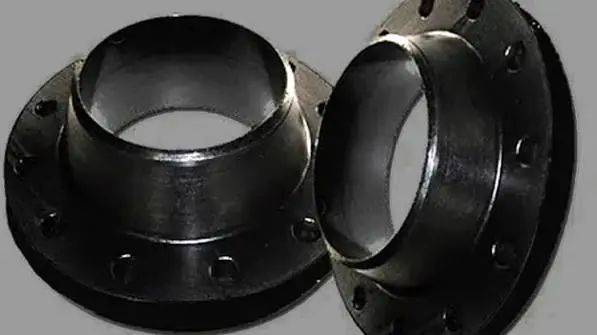
The ASTM A105 weld neck flange is a forged pipe part with a long, tapered hub that is made to be butt-welded to pipe systems. This engineering design transfers mechanical stress smoothly to the pipe wall. This provides one of the most reliable connections in harsh environments where changes in pressure and temperature can threaten the system's stability.
Material Composition and Mechanical Properties
The material specification for this carbon steel forging specifies its exact chemical make-up: the manganese content must be between 0.60% and 1.05%, while the phosphorus and sulfur levels must not be higher than 0.035% and 0.040%, respectively. This controlled metallurgy makes sure that the metal can be machined and welded easily in a wide range of industrial settings.
It must have a minimum tensile strength of 70,000 psi (485 MPa) and a minimum yield strength of 36,000 psi (250 MPa). ASTM A105 itself does not specify a maximum hardness requirement. For sour service applications, hardness limits may be imposed by standards such as NACE MR0175/ISO 15156. Because of these features, the flange can handle heavy bolt loads and operating pressures for long periods of time without breaking down.
Dimensional Standards and Pressure Ratings
The sizes used in manufacturing are based on ASME B16.5 standards, which cover common designs from 1/2" to 24". Custom sizes outside of this range are available to meet the needs of specific projects. The available pressure classes include Class 150, Class 300, Class 600, Class 900, Class 1500, and Class 2500, so they can handle almost any pressure situation that comes up in industrial piping systems.
The bore diameter is carefully machined to meet certain pipe plans, such as SCH 40, 80, 160, or XXS. This gets rid of internal diameter differences that cause erosion and turbulence at connection places. You can choose between Raised Face (RF) and Ring Type Joint (RTJ) flange facings based on the type of gasket and the sealing needs of the service.
Heat Treatment and Normalization
Many standards call for normalized material (marked ASTM A105N), in which the forging is heated under controlled conditions and then cooled by air. This heat treatment process refines the grain structure, making the material tougher and more resistant to impact, especially at lower service temperatures. By making sure that the microstructure is regular, the normalization process lowers the chance that the material will break easily when it is heated and cooled or when it is loaded with shocks.
Comparing ASTM A105 Weld Neck Flange with Other Flange Types and Grades
When procurement managers know the differences between flange materials and designs, they can make the best decisions about performance and budgeting at different stages of a project.
Material Grade Comparisons
ASTM A105 carbon steel is commonly used in applications ranging from approximately -20°F to 800°F (-29°C to 427°C), depending on the applicable design code and service conditions, which covers most normal and high-temperature uses.When operating temperatures drop below -20°F, ASTM A350 LF2 is required to prevent brittle fracture.On the other hand, types of stainless steel like 304 or 316 are better for corrosive conditions where carbon steel breaks down more quickly, but they cost a lot more to make.
ASTM A105 weld neck flanges are the optimal choice for non-corrosive services due to their exceptional cost-effectiveness. When projects stay within the temperature range of the material, they can save a lot of money compared to alloy steel or stainless steel options. This is true without compromising safety or reliability when the service conditions remain within the material's applicable temperature range.
Weld Neck Versus Slip-On Design
The weld neck design distributes stress better because its hub is curved and gradually goes from the flange ring to the pipe wall thickness. This shape gets rid of sharp edges that concentrate stress, which lowers the risk of fatigue failure in systems that are subjected to cyclic pressure or thermal expansion cycles.
Slip-on flanges are easier to line up during installation, but they make an internal joint step that interrupts flow patterns and puts most of the stress at the fillet weld. The matched bore design of the weld neck keeps the internal flow smooth, which reduces erosion and pressure drop caused by turbulence across the connection. In serious situations where joint integrity directly affects operational safety and system longevity, this performance edge makes up for the slightly higher starting cost.
How to Source Forged ASTM A105 Weld Neck Flanges from China?
To navigate the Chinese manufacturing world, you need to carefully check each supplier against certain standards that guarantee product quality, on-time delivery, and compliance with regulations.
Supplier Qualification Criteria
Manufacturers who are trustworthy show compliance through badges that are recognized around the world. The ISO 9001 quality management system certification shows that process controls are working, and product approvals from major energy companies like NIOC (National Iranian Oil Company), ADNOC (Abu Dhabi National Oil Company), and PETROBRAS show that the company can meet the strict needs of the industry.
Experience in manufacturing is very important. Suppliers who have been forging for decades have perfected methods that give stable material qualities and accurate measurements. Since 1983, JS FITTINGS has specialized in manufacturing, which means that their products work reliably in a wide range of service circumstances.
Lead Time and Order Flexibility
Delivery schedules are directly affected by how much can be produced. Manufacturers that ship more than 90 containers a month have built processes that can accommodate fluctuations in order volume without missing dates. JS FITTINGS can make 800 tons of pipe fittings and 700 tons of flanges every month, which means they can meet the needs of both big projects and smaller custom orders.
The smallest amount you can buy depends on the provider and the specification. Smaller trial orders are usually accepted by established makers. This lets buyers check the quality of the product before committing to a full-scale purchase. Being able to make custom sizes from DN15 to DN 2000 makes sure that specific project needs are met without having to make design compromises.
Pricing Dynamics and Cost Optimization
When you buy in bulk, the cost per unit goes down by a lot. To get the most out of these economies of scale, combine orders from different stages of a project or work with other departments to coordinate procurement. Clear price systems that include information on the costs of materials, production methods, and certification fees help make accurate budget projections and cost comparisons between possible providers.
Adding export operations to the supply chain makes it easier to buy things. When manufacturers take care of paperwork, packaging guidelines, and shipping coordination, purchasing teams don't have to do as much work, and products come in good shape. The fact that JS FITTINGS has a customer repurchase rate of over 98% shows how much clients value this all-around service approach.
Installation, Maintenance, and Quality Assurance of ASTM A105 Weld Neck Flanges
To get the most out of forged ASTM A105 weld neck flanges' service life and safety performance, make sure they are installed correctly and are maintained regularly.
Welding and Installation Requirements
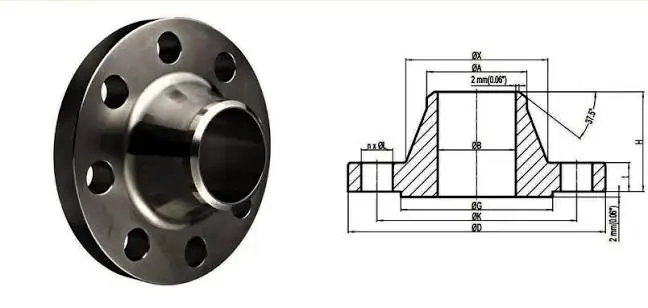
Weld neck flanges need full-penetration butt welds, which are usually done according to ASME B31.1 or ASME B31.3 pipe codes, based on the service application. The worker has to make sure that the beveled ends are at a 37.5-degree angle so that the weld can go through and fuse properly. Depending on the thickness of the wall, either pre-heat or post-weld heat treatment is needed to relieve residual stresses and keep the heat-affected zone from cracking.
Radiographic inspection of the finished A105 WN Flange joint is possible thanks to the butt-weld link. Radiographic testing verifies that the weld is completely solid. With this non-destructive testing feature, there is a big safety benefit in vital services where a joint failure could lead to catastrophic consequences. When you arrange things correctly during fit-up, the matched bore keeps its smooth internal flow features without putting stress points at the weld contact.
Gasket Selection and Face Finish Considerations
The finish on the flange face has a direct effect on how well the gasket works and how reliable the seal is. Normal stock finishes with phonographic groove designs bite into soft gasket materials, providing mechanical locking that makes the seal stronger when the bolt is compressed. For metallic or spiral-wound gaskets, where a rough surface could damage the sealing element and make the joint less tight, smooth finishes are best.
There are many kinds of gaskets that can fit on raised face flanges, and ring-type joint facings can seal metal-to-metal for high-pressure situations. If you match the sealant material and hardness to the service conditions (temperature, pressure, and fluid properties), it will fit well for a long time without needing to be serviced often.
Quality Assurance Protocols
Each shipment comes with material traceability paperwork, such as Material Test Reports (MTR), which check the chemical composition and the mechanical properties by tensile testing. Before taking delivery, buyers should compare these certificates with the project specifications in the specifications.
Non-destructive testing includes more than just looking at a weld on an X-ray machine. Ultrasonic testing finds holes or other irregularities inside the forging, while magnetic particle inspection finds surface flaws like laps or cracks on the machined bevel.
Checking the sizes makes sure that they are within the limits set by ASME B16.5 for things like hub taper dimensions, bolt hole concentricity, and gasket seating surface flatness. These are all important factors that affect the safety and integrity of the assembly.
Why Choose JS FITTINGS for Your ASTM A105 Weld Neck Flange Requirements?
If you choose the right production partner, procurement goes from being a transactional task to a strategic advantage that improves project results through reliable product performance and quick expert support.
Manufacturing Excellence and Quality Systems
Our seven integrated management systems work together to buy materials, plan production, keep an eye on quality, set standards for packaging, keep track of inventory, inspect items before they are shipped, and provide service after the sale. This methodical approach makes sure that all orders are the same, whether they are for standard catalogue items or complicated custom specifications.
Precision cutting and advanced forging technology make sure that the dimensions are correct, which makes fitting easier and makes sure that everything fits right. Optical emission spectrometers (OES) check the chemistry of the material, and ultrasonic flaw detectors check for flaws inside forgings before they are machined. These quality control steps lower the rate of failure in the field to less than 0.5%, which cuts down on project delays and substitute costs.
Global Certification and Industry Recognition
We keep our licenses up to date from a number of foreign standards groups, such as ISO 9001, CE, and GOST-R. The fact that we are an approved supplier for NIOC, ADNOC, and PETROBRAS shows that we can handle the tough needs of big energy projects where success directly affects safety on the job and regulatory compliance.
Products meet many foreign standards, including ASME, GOST, JIS, DIN, SABS, BS, and EN. This makes it possible for specifications to be changed for projects in different areas around the world. This ability to work with multiple standards makes procurement easier for contractors who are in charge of international portfolios or looking for business opportunities in places where regulations are different.
Delivery Reliability and Customer Support
Our dedication to meeting your project schedules is shown by the fact that we achieve more than 95% of the time. Shipping more than 90 containers every month demonstrates our established logistics capabilities that can grow to meet your needs. Our international trade team answers questions within an hour and offers technical help that answers questions about specifications and speeds up the quotation process.
Our comprehensive after-sales support extends far beyond product delivery. We provide expert advice on how to put things together, fix problems with performance, and back up warranty claims by sending replacement goods when needed. This partnership approach creates long-lasting relationships where your success is our success, making value for both of us that goes beyond single transactions.
Conclusion
Buying forged carbon steel ASTM A105 weld neck flanges from a well-known Chinese company has a lot of benefits for procurement workers who need to balance quality, cost, and shipping needs. The ASTM A105 material standard has been shown to work well in a wide range of industrial settings, and the weld neck design is better at handling stress and allowing for inspections than other flange setups. When you choose a seller with a lot of certifications, a lot of production capacity, and helpful customer service, procurement goes from being a risk to being a competitive benefit that improves project outcomes and makes your supply chain more reliable across all of your operations.
FAQ
1. What distinguishes ASTM A105 from A105N flanges?
The material standard for carbon steel forgings is given by the base code ASTM A105. That last letter ('N') means that the heat treatment was normalized. In this type of heat treatment, the grain structure is improved by controlled heating followed by air cooling. This process makes things tougher and more resistant to impact, especially when they are cold. Many end-users require ASTM A105N as normal practice to make sure that all supplied forgings have a consistent microstructure and mechanical properties. This makes field performance less variable.
2. Why does the pipe schedule specification matter when ordering weld neck flanges?
To keep the flow smooth, the inside diameter of the joining pipe must match the inside diameter of the flange bore. For the same nominal pipe size, a Schedule 40 pipe has a larger inside diameter than a Schedule 80 pipe. If these specs don't match, a step forms at the joint that causes flow, speeds up erosion, and concentrates stress. If you specify the correct schedule, the bore will be aligned smoothly, which will get rid of these conditions that hurt performance.
3. What welding codes apply to weld neck flange installation?
Installers usually stick to ASME B31.1 for power pipes or ASME B31.3 for process pipes, based on the job. Based on the width of the material and its intended use, these rules require certain bevel angles (37.5 degrees), welding methods, and heat treatment steps. The form of the butt-weld joint allows for radiographic testing (RT), which checks for full penetration and good fusion to make sure the joint is leak-tight and meets safety code standards.
Get Your Custom Quote from JS FITTINGS Today
Are you ready to get forged carbon steel ASTM A105 weld neck flanges that you can trust for your next project? JS FITTINGS is ready to be your reliable supplier. They have been making high-quality products for 40 years and have all the necessary quality standards. Our technical team can help you choose the right material, figure out the pressure rating, and make custom specifications that fit your exact needs. Reach out via email at admin@jsfittings.com to receive competitive pricing, detailed product specifications, and delivery schedules that align with your project timeline. Experience the advantage of partnering with a manufacturer maintaining 98% client repurchase rates through consistent quality and responsive service.
References
1. American Society of Mechanical Engineers. (2020). ASME B16.5: Pipe Flanges and Flanged Fittings NPS 1/2 Through NPS 24 Metric/Inch Standard. New York: ASME Press.
2. ASTM International. (2019). ASTM A105/A105M: Standard Specification for Carbon Steel Forgings for Piping Applications. West Conshohocken: ASTM International.
3. Becht Engineering Company. (2018). Flange Joint Assembly: Best Practices for Industrial Applications. Houston: Technical Publishing Division.
4. Pressure Vessel and Piping Design Council. (2021). Material Selection Guidelines for High-Pressure Piping Systems. Chicago: PVPD Publications.
5. Singh, R., & Kumar, P. (2017). Forging Technology in Modern Piping Components: Quality Control and Performance Analysis. International Journal of Manufacturing Engineering, 45(3), 287-304.
6. Welding Research Institute. (2019). Non-Destructive Testing Methods for Butt-Welded Flange Connections in Critical Service Applications. Cambridge: WRI Technical Series.
Send Inquiry
You may like
Related Industry Knowledge
- ASTM A263/A264 Standard for Corrosion-Resistant Alloy Clad Pipes
- EN 10219 S355J2H LSAW Steel Pipe for Structural Support
- Metallurgically Bonded CRA Clad Pipe vs Mechanically Lined Pipe
- Carbon Steel Forged Steel Flange: ASME B16.5 vs B16.47
- Buttweld Bend for Oil & Gas Pipelines: Material & Specs
- Buttweld Reducer Pressure Ratings for Critical Service Lines
- What is ASME B16.5: A Guide to ASME B16.5 carbon steel flange
- Role of API 5L Seamless Steel Line Pipe in Marine Industries
- Slip-On Flange Uses and Applications
- What causes porosity in carbon steel pipe welding?