
Slip-on flange vs weld neck flange: What are the differences?






2026-07-20 11:07:17
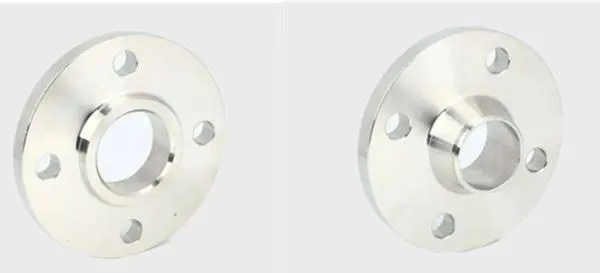
When procurement managers and engineers need to specify flanges for piping systems, they often face a critical decision: slip-on or weld neck? The main difference is how their structures are built and how well they work when they are stressed. Slip-on flanges fit over the end of the pipe and need to be fillet-welded. They work well in low-pressure situations where fitting needs to be simple. The ASTM A105 weld neck flange, on the other hand, has a tapered hub that butt-welds directly to the pipe. This effectively transfers mechanical stress and provides excellent safety in high-pressure, high-temperature settings. This basic difference affects how much an industrial project costs, how long it takes to install, and how reliable it is in the long run.
Introduction
Flanges are important parts of piping systems because they allow for easy assembly, disassembly, and maintenance while keeping the integrity of the system. Choosing the right type of flange has a direct effect on safety, compliance, and the economics of the project in all fields, from oil and gas to power generation. Slip-on and weld-neck flanges are two common options, and each was made to meet different operating needs. The ASTM A105 weld neck flange made of carbon steel is the standard in the industry. It meets the strict ASME B16.5 size requirements and has been used successfully in many difficult situations. Knowing the technical features, installation needs, and lifetime costs of these flanges helps procurement workers choose parts that meet project requirements, reduce the risk of downtime, and make sure they follow regulations.
Understanding Slip-On and Weld Neck Flanges
Design and Construction Fundamentals
Slip-on flanges have a simple shape: they are a flat ring with a hole that is slightly bigger than the pipe's outside diameter. To install, slide the flange over the pipe end, line it up and do two fillet welds, one inside and one outside, to make the connection strong. Slip-on flanges are good for projects that need to stay within a budget and don't require high pressures or temperatures because they are easy to handle and take less time to install.
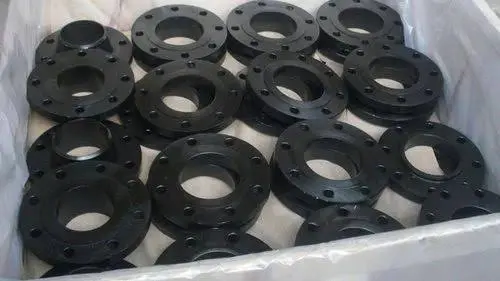
Weld neck flanges, especially those made from materials that meet ASTM A105 standards, have a long, curved hub that slowly moves from the pipe wall to the flange ring. This hub is butt-welded to the pipe with a single circular weld, which makes the joint smooth and continuous. The curved shape spreads mechanical stress widely from the flange into the pipe, which makes the structure stronger and less likely to fatigue or corrosion over time. The ASTM A105 weld neck flange is made from killed carbon steel, and the forging process helps improve its mechanical properties and dimensional stability.
Material Properties and Standards Compliance
The way ASTM A105 carbon steel is made physically is very important to how well its flanges work. Manganese is added within ASTM A105 specified limits to improve strength and hardenability, and phosphorus (max. 0.035%) and sulphur (max. 0.040%) are added to keep it weldable and less brittle. The minimum tensile strength is 70,000 psi (485 MPa), the minimum yield strength is 36,000 psi (250 MPa), and the hardness requirement is typically limited to 187 HBW maximum for standard applications. These numbers make sure that the flange can handle repeated loads, temperature changes, and corrosive conditions without breaking too soon.
As long as the dimensions meet ASME B16.5 standards, they will work with other piping parts in global supply chains. Weld neck flanges are available in pressure classes from Class 150 to Class 2500, depending on size and applicable standards, so they can be used for everything from low-pressure water systems to ultra-high-pressure gas transfer. The bored form perfectly fits the inside diameter of the pipe, whether it's Schedule 40, 80, 160, or XXS. This means that flow isn't limited and erosion is less likely to happen.
Installation Complexity and Welding Requirements
When installing a slip-on flange, the pipe just slides into the flange hole, so the original alignment doesn't have to be as precise. But double fillet welds need to be done carefully so that there are no gaps or partial melting, which can weaken the joint. Radiographic analysis of fillet welds is hard, which makes finding flaws harder than with butt-weld joints.
To get a full-penetration butt weld, the pipe ends must be properly prepared for the ASTM A105 weld neck flange fitting. This includes beveling and aligning the ends. For this process to work, skilled welders must follow the exact steps for welding. The benefit becomes clear during inspection: the butt-weld link makes radiographic examination easy, allowing 100% radiographic evidence to make sure the weld is solid and meets strict safety standards. This radiographic clarity lowers project risk by a large amount, especially in areas where failure would have bad results.
Technical Comparison: ASTM A105 Weld Neck Flange vs Slip-On Flange
Pressure Rating and Stress Distribution
Ratings for pressure show big changes in success. Slip-on flanges are commonly used in lower-pressure applications, although they are available in higher-pressure classes depending on size and standard requirements, and there are higher classes as well. Their high stress levels at the fillet welds make them more likely to fail when pressure or temperature changes happen over and over again. The ASTM A105 weld neck flange, on the other hand, works well in all pressure classes, from 150# to 2500#. This is because the tapered hub acts as a mechanical transition that takes vibration and heat stress without wearing out the joint. The high modulus of section of the hub makes it stiffer, so it doesn't bend when bolts are loaded—this is an important part of keeping the gasket seal intact over time.
Temperature Tolerance and Thermal Cycling
ASTM A105 carbon steel flanges are widely used in industrial temperature ranges, with allowable pressure-temperature ratings determined by applicable ASME standards, which cover most of the temperature ranges used in industry. The butt-weld joint in weld-neck flanges handles thermal expansion uniformly, preventing the differential movement that can weaken fillet-welded slip-on connections. In places where temperatures change a lot, like steam systems or process plants that do batch work, weld neck flanges last longer, which means they need less maintenance and less unplanned downtime.
Flow Characteristics and Resistance to Erosion
Weld neck flanges are designed so that the inside diameter of the flange exactly matches the inside diameter of the pipe bore, resulting in a smooth, uninterrupted flow path. Slip-on flanges have an internal "step" where the pipe end sits inside the flange bore. This continuity gets rid of that "step". That step causes turbulence, lowers pressure, and speeds up localised erosion, especially when fluids are moving quickly or are rough. Keeping erosion to a minimum directly extends the life of a system and lowers its total cost of ownership, which is very important for both industry end users and government building projects.
Inspection and Quality Assurance
These flanges are fundamentally different because they can be inspected with an X-ray machine. X-rays or ultrasonic testing (UT) can be used to look at the whole butt-weld joint of the weld neck flanges. This lets you check the quality of the weld all the way through its cross-section. This openness meets strict quality control standards that are common in the oil and gas, petrochemical, and power generation industries. With their two fillet welds, slip-on flanges are hard to check because flaws that are hidden in the fillet shape might not be found, creating weak spots that could compromise safety and compliance.
Application Scenarios and Industry Use Cases
Oil and Gas Transmission Systems
Natural gas pipelines and crude oil transmission lines that are under a lot of pressure need flanges that can withstand pressures of more than 1,000 psi and still stay sealed. The ASTM A105 weld neck flange is commonly selected for these services because it can meet the applicable piping and operator requirements for vital service. Offshore platform projects often use Class 900 weld neck flanges for critical connections because of their fatigue resistance and inspectability. These were chosen because they are better at resisting fatigue and can be inspected with X-rays, which lowers the risk of leaks and keeps people safe.
Petrochemical and Refining Operations
High temperatures and pressures are used to process corrosive fluids in refineries, which makes the working conditions very difficult. ANSI B16.5 weld neck flanges work great in these conditions, especially in heat exchanger connections, distillation columns, and catalytic cracking units. Their smooth internal bore keeps them from getting clogged and makes cleaning easier. Plus, their strong construction can handle temperature cycling during startup and shutdown. For example, slip-on flanges are used in secondary systems like cooling water loops and low-pressure steam condensate return lines because they are cheaper and easier to install and the service needs are not as important.
Power Generation and Steam Distribution
Weld neck flanges are used for the main steam pipes, feedwater systems, and turbine links in coal-fired, combined-cycle, and nuclear power plants. Weld neck flanges in Class 600 and higher can handle superheated steam at temperatures close to 1,000°F and pressures higher than 2,400 psi. Because butt-weld connections can properly accommodate thermal expansion, they prevent stress buildup and premature gasket failure. A utility company in the Midwest reported that replacing slip-on flanges with ASTM A105 weld neck flanges helped reduce maintenance requirements and improve long-term reliability. They said that this was because there were fewer leaks and the gaskets lasted longer.
Chemical Processing and Specialty Manufacturing
Chemical companies that work with strong chemicals like sulphuric acid, sodium hydroxide, and chlorine need flanges that are both strong and resistant to corrosion. While stainless steel flanges deal with corrosivity, carbon steel weld neck flanges, when combined with suitable service conditions and protective surface treatments, offer cost-effective performance in lines for processing hydrocarbons, recovering solvents, and making polymers. Their precise bore alignment stops areas where leftovers could build up, which lowers the risk of pollution in batch processes.
Procurement Considerations for ASTM A105 Weld Neck and Slip-On Flanges
Supplier Certification and Quality Verification
Getting flanges from certified manufacturers ensures that the product is reliable and meets all regulations. Check if a seller has an ISO 9001 quality management system certification. This shows that they have structured methods for quality control. Also, approvals from well-known groups—like the CE mark for European markets, the GOST-R mark for Russia, and the PETROBRAS stamp for projects in Brazil—show that the product meets regional standards. For each output lot, you should ask for material test reports (MTRs) that show the chemical composition, mechanical properties, and heat treatment history. Third-party inspection services, like Bureau Veritas, SGS, and TÜV, do independent checks that give high-stakes projects extra confidence.
We at JS FITTINGS bring 43 years of manufacturing expertise, backed by strict quality control. Our plant is certified by ISO 9001 and has approvals from PETROBRAS, NIOC (National Iranian Oil Company), and ADNOC (Abu Dhabi National Oil Company). This makes us a reliable source for energy projects around the world. Ultrasonic flaw detectors, spectral analysers for material verification, and hydraulic test rigs are some of the high-tech tools used to make sure that every flange meets or exceeds the requirements set by the specifications.
Pricing Factors and an Analysis of Total Cost
Flange prices are affected by the cost of materials, the difficulty of production, and the number of orders. Weld neck flanges usually cost 20–40% more than slip-on flanges because they need to be forged and machined with more precision. The total cost of ownership, on the other hand, shows a different picture. The longer service life, less frequent upkeep, and lower failure risk of weld-neck flanges lead to lifecycle savings that often exceed the original cost premiums. A lifecycle cost model that looked at Class 300 flanges over 20 years showed that weld neck flanges had 18% lower total costs, even though they were more expensive at first. This was because they needed fewer gasket replacements and had less downtime, which saved money.
Buying in bulk has benefits besides lowering the price per unit. Ordering multiple containers saves money on freight costs, cuts down on wait times by making production schedules more efficient, and makes sure that big projects always get the same amount of materials. We ship more than 90 containers around the world every month, which lets us offer reasonable prices and quick responses—usually within an hour for quote requests.
Logistics and After-Sales Support
The dependability of delivery depends on how well international operations work, especially for EPC contractors who have to stick to tight building plans. To avoid customs delays, make sure that your suppliers have experience shipping, know how to load containers, and provide accurate paperwork. Our logistics team manages packages to more than 30 countries and keeps customer complaints below 0.5%. They achieve a 95% on-time delivery rate. Full packing methods keep flanges safe while they're being shipped, stopping damage that could affect the tolerances for size.
After-sales support goes beyond just delivering the products. Technical talks help engineers choose the right flange, calculate the correct bolting torque, and ensure that the gaskets will work with the system. If there are problems with the way the goods were made, the warranty gives you a way to get your money back. Pre-shipment inspection services let customers check the quality of the goods before they leave the plant. Customers trust our product quality and service commitment, as shown by the fact that over 98% of them buy from us again.
Conclusion
To tell the difference between slip-on and weld-neck flanges, you need to know how their structures are different and how that affects their performance. ASTM A105 weld-neck flanges, especially those that meet industry standards, provide unrivalled safety, stress handling, and inspectability for demanding industrial applications. Slip-on flanges are easy to install and cost-effective for low-pressure, non-critical services. The tapered hub, butt-weld connection, and accurate bore of the ASME B16.5 weld neck flange make it a strong choice for high-pressure systems that need to be reliable for a long time. Weld neck flanges are always the best option when practical effects demand maximum integrity. This is because they balance technical requirements, lifecycle costs, and compliance responsibilities.
FAQ
1. Can ASTM A105 weld neck flanges handle high-temperature applications?
Weld neck flanges made of ASTM A105 carbon steel can reliably work from -20°F to 650°F (-29°C to 343°C), which is most of the temperature ranges used in industry, including saturated and superheated steam services. Their tapered hub design allows for thermal expansion without putting too much stress on the bearings, so they can be used in situations where temperatures change often.
2. What installation differences exist between slip-on and weld neck flanges?
Slip-on flanges are easier to install but harder to inspect because they need two fillet welds, one on the inside and one on the outside. Weld neck flanges need precise pipe-end preparation for a single butt weld. This allows a full X-ray to check the integrity of the joint and meet strict safety standards.
3. How do I verify supplier quality and certification?
Ask for ISO 9001 certification, test records on the materials that show their chemical and mechanical features, and any necessary approvals (CE, GOST-R, PETROBRAS, NIOC, ADNOC). Third-party inspection services give you an outside opinion, and references from suppliers who have worked on similar projects in the past show that they can do a good job in your application field.
Partner with a Trusted ASTM A105 Weld Neck Flange Supplier
JS FITTINGS has been making products for 43 years and has extensive quality certifications, including ISO, CE, GOST-R, PETROBRAS, NIOC, and ADNOC. They can make ASTM A105 weld neck flanges and carbon steel flanges that meet ASME B16.5 standards. Our monthly output of more than 700 tonnes of flanges, 95% on-time delivery rate, and a complaint rate of less than 0.5% show that we provide practical excellence for EPC contractors, distributors, and industry end users. If your project needs Class 150 or Class 2500 weld neck flanges, custom sizes from DN15 to DN2000, or a large supply with the best logistics, our experienced team can help with expert advice and competitive quotes that are exactly what you need. Email our experts at admin@jsfittings.com to talk about your flange needs and find out why our 98% return rate shows that customers trust our goods and services for a long time.
References
1. American Society of Mechanical Engineers. (2020). ASME B16.5: Pipe Flanges and Flanged Fittings: NPS 1/2 Through NPS 24 Metric/Inch Standard. New York: ASME Press.
2. ASTM International. (2019). ASTM A105/A105M Standard Specification for Carbon Steel Forgings for Piping Applications. West Conshohocken, PA: ASTM International.
3. Becht, C. (2018). Process Piping: The Complete Guide to ASME B31.3 (4th ed.). New York: ASME Press.
4. Mahajan, S. K. (2017). Piping Materials Guide (3rd ed.). Boca Raton, FL: CRC Press.
5. Smith, P. R., & Van Laan, T. J. (2016). Piping and Pipeline Engineering: Design, Construction, Maintenance, Integrity, and Repair. New York: McGraw-Hill Education.
6. Ellenberger, J. P. (2015). Piping and Pipeline Calculations Manual: Construction, Design Fabrication and Examination (2nd ed.). Oxford: Butterworth-Heinemann.
Send Inquiry
You may like
Related Industry Knowledge
- Carbon Steel Forged Steel Flange: Forged vs Plate Compared
- What is the difference between 3LPE and FBE Coated Steel Pipe?
- What Is a Buttweld Bend? Types, Radius & Standards
- What Is The Difference Between Different Grades Of API 5L Seamless Steel Line Pipe In Performance?
- ANSI Pipe Flanges Dimensions and Selection Guide for 2026
- Why Engineers Choose Buttweld Bend Over Mitered Bends?
- What is a threaded flange?
- What is the difference between a 45 degree and 90 degree elbow?
- How to weld carbon steel pipe?
- What is a plate flange used for?