
Understanding Long Radius Buttweld Elbow: Essential Components for Your Construction Projects






2026-06-15 10:55:31
Choosing the right fitting for an industrial pipe system can mean the difference between things running easily and problems that cost a lot of money to fix. A long radius buttweld elbow is a key part that makes it possible for pipes to easily change direction while still having the best flow traits. This unique fitting has a curve radius that is 1.5 times the nominal pipe diameter. It cuts down on air losses and turbulence a lot compared to other types. These elbows will help you protect your investment and keep things going easily if you're in charge of an oil platform in the middle of nowhere, a chemical processing plant, or a city water treatment plant.
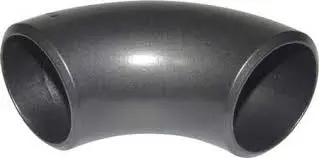
What Is a Long Radius Buttweld Elbow? Comprehensive Overview
Defining the Technical Specifications
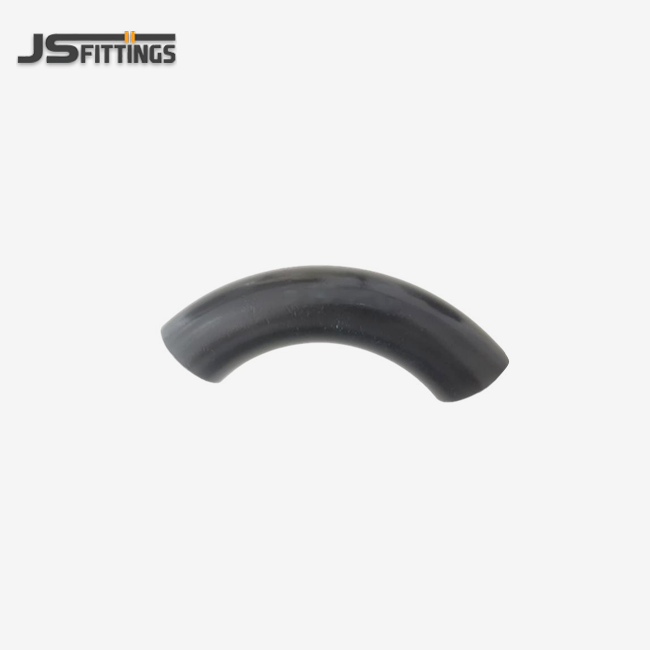
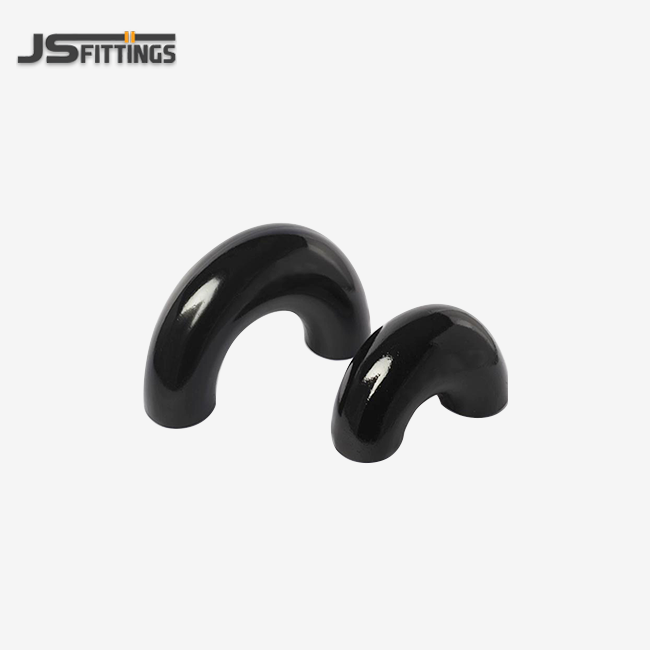
It is possible to make a long-radius buttweld elbow by forging or hot pressing. This is a very well-designed pipe joint. A 1.5D bend radius is what makes it unique. D is the nominal pipe diameter. This changes the flow slowly so that it stays as smooth as possible. The ends of buttweld elbows are beveled so that they can be fully penetrated and welded straight to neighboring pipe sections. This makes them different from threaded or socket-weld choices. When welded in this way, the pieces become physically one and won't leak, even in the most demanding conditions.
High-quality steel from qualified mills is commonly selected as the starting material. Proper material traceability and mill test certificates help ensure that chemical composition and mechanical properties meet project requirements. Packages can be supplied with EN 10204 3.1 Mill Test Certificates when required by the purchase specification, providing information on chemical composition and mechanical properties. This paperwork is very important for quality checks and legal checks.
Standards and Size Range
When it comes to industrial water systems, strict international rules must be followed. They can be used on projects all over the world because they meet the requirements of ASME/ANSI B16.9, MSS-SP-43, EN 10253, and DIN 2605. Long radius buttweld elbows are commonly manufactured in sizes ranging from NPS 1/2 to NPS 48 and beyond depending on the applicable standard, material grade, and manufacturer capability. Larger sizes may also be produced through welded fabrication processes for specific project requirements. Common degree configurations include 45°, 90°, and 180° bends, but we can also make custom angles for certain uses.
They come in a range of wall thicknesses, from Schedule 10s to XXS, so they can handle normal to high-pressure needs. The types of material are also separated into various groups.
Carbon steel options include ASTM A234 WPB, WPC, and ST37.2, which can be used in most industrial settings. Stainless steel grades like ASTM A403 WP304/304L, WP316/316L, 317, and 321 are better at resisting corrosion in harsh chemical environments. ASTM A234 WP5, WP9, WP11, WP22, and WP91 are alloy steels that can be used in high-temperature settings. ASTM A420 WPL6 is used for low-temperature service because it maintains good toughness at low temperatures.
Manufacturing Quality Controls
Advanced CNC machining and precision beveling make sure that the ends are always prepared according to ASME B16.25 standards. Standard buttweld end preparations commonly use a 37.5° bevel angle (75° included angle) according to ASME B16.25, while specific bevel designs may vary depending on wall thickness, welding procedure, and project requirements. Compound J-bevels may be used on thicker wall sections to reduce the amount of weld volume and heat input during installation.
It's important that the wall thickness stays the same all the way through the elbow body, even at the intrados (inner arc), which is where it usually thins. This is especially true in high-pressure environments, where weak spots can lead to catastrophic failures. Manufacturers control center-to-end dimensions, out-of-roundness tolerances, and angular requirements according to applicable standards and project specifications.
Long Radius Buttweld Elbow vs. Other Elbow Types: Making the Right Choice
Performance Comparisons
In terms of how well they work with hydraulics, long radius buttweld elbow designs are better than short radius designs. Short radius elbows have a 1.0D bend radius, which makes tighter turns that are only useful when installation space limits pipe layouts. However, this small shape leads to higher pressure drops and flow turbulence, which speeds up erosion rates and lowers system efficiency. Long radius designs, on the other hand, reduce these issues, which is why they are the standard for flow-sensitive applications.
Socket-weld elbows are easier to install in smaller diameter systems, but the socket gap may create crevice areas that can increase corrosion risk in certain service environments. Threaded connections are good for systems that need a lot of maintenance, but they don't have the strength for high-pressure service. Buttweld construction gets rid of these weaknesses, making the product stronger and more resistant to corrosion.
Material Selection Strategy
Carbon steel grades are most common in general industrial settings where cost is important. Carbon steel grades are widely used in general industrial applications, with allowable pressure and temperature limits determined by material grade, wall thickness, design code, and operating conditions. Stainless steel is needed in places where corrosion is a problem, like chemical processing, making food and drinks, and making medicines. The higher cost of the material is worth it to avoid contamination. Duplex and super duplex grades are used in places where corrosion is very bad, like petrochemical refineries and offshore platforms.
In places with a lot of heat, like power plants and refinery processing units, alloy steel grades are used because they keep their mechanical properties even when exposed to thermal cycling, which would damage carbon steel. Making sure that the material of the elbow is right for the job prevents failure before it happens and extends its useful life, which lowers the overall cost of ownership.
Application-Specific Considerations
Chemical processing plants handling highly corrosive acidic or alkaline streams may require special alloys such as Inconel or Hastelloy, depending on the chemical composition and operating conditions. The full penetration butt-weld joint gets rid of crevices where aggressive media could initiate crevice corrosion. For "pigging" operations, offshore oil and gas transmission systems need long-radius designs. The 1.5D sweep lets pipeline inspection gauges go around bends without getting stuck, which is important for maintenance in subsea environments.
High-pressure steam lines in thermal and nuclear power plants are affected by erosion, corrosion, and vibrations caused by speed. The slow change in direction lowers the turbulence that causes destructive vibration patterns. This keeps supercritical steam cycles operating at very high temperatures and pressures from failing catastrophically.
Installation and Maintenance of Long Radius Buttweld Elbows
Proper Installation Procedures
Before the full welding sequences are used, a tack weld is used to make sure everything is lined up correctly. Depending on the thickness of the wall and the grade of the material, more than one pass may be needed to fully penetrate the joint.
Excessive heat input during welding can severely alter the metallurgical properties of the Heat-Affected Zone (HAZ), while insufficient heat input often results in a lack of fusion or incomplete penetration.Only qualified welders who follow the right steps can make sure the joint is strong. Carbon steel elbows with thicker wall sections may require Post-Weld Heat Treatment (PWHT), depending on material grade, thickness, and applicable code requirements, to get rid of residual stresses and stop stress corrosion cracking. ASME B31.3 provides requirements for process piping design, fabrication, examination, and testing, including considerations related to welding and post-weld heat treatment.
Quality Verification Methods
Full NDT protocols find possible flaws in addition to visual inspection. Ultrasonic Testing (UT) finds internal breaks like lack of fusion or slag inclusions. Magnetic Particle Inspection (MPI) finds surface-breaking cracks in ferromagnetic materials. Liquid Penetrant Inspection (LPI) does the same thing for non-magnetic stainless steels. Radiographic examination records the quality of the weld for permanent records that regulatory agencies need.
A mobile XRF spectrometer for Positive Material Identification (PMI) checks that the alloy composition matches the specs and paperwork. This is very important when different types of materials are being used on the same project, as it stops mistakes that could cost a lot of money and put the system at risk.
Maintenance Strategies
To make sure the long radius buttweld elbow lasts as long as possible, it needs to be checked on a regular basis. Ultrasonic thickness gauging measures wall loss due to erosion or corrosion, so replacements can be planned before they break. Visual inspection finds external corrosion, mechanical damage, or coating degradation that needs to be fixed.
To keep an eye on corrosion in harsh environments, corrosion coupons or electrochemical probes that give real-time data can be used. Vibration analysis finds flow-induced oscillations that could wear out welded joints over time. Thermal imaging finds hot spots that mean there are internal blockages or flow disturbances. These maintenance practices stop accidents that put people and property at risk and avoid unplanned downtime.
Procuring Long Radius Buttweld Elbows: What B2B Buyers Need to Know?
Market Navigation Essentials
When you buy something from another country, the price and delivery time are affected by many things. Unit costs depend on the type of material, the size and shape requirements, the pressure class, and the surface treatment. Carbon steel elbows are the cheapest option, while exotic alloys cost more because they use more expensive raw materials. It is harder to make things with larger diameters and heavier wall schedules, so they cost more.
Many people save money when they buy in bulk, which is especially helpful for distributors who need to keep stock on hand. Custom specifications, like non-standard angles, special materials, or unique dimensions, need longer lead times and higher minimum quantities. Being aware of these trade-offs helps you balance project needs with cost control.
Supplier Selection Criteria
When a company gets ISO 9001 certification, it means that their procedures are written down and that they are followed by management. Project-specific approvals from companies like PETROBRAS, NIOC (National Iranian Oil Company), and ADNOC (Abu Dhabi National Oil Company) also show that they can meet strict requirements. At JS FITTINGS, we keep these certifications along with CE marking and GOST-R approval, which lets us sell our products all over the world.
Exporting skills are very important. Our international trade teams have a lot of experience and know how to deal with customs rules, paperwork, and logistics coordination. Every month, we ship more than 90 containers, which shows that we can handle big projects without supply issues. Our over 95% on-time delivery rate also shows that we can plan production and keep track of inventory well.
Risk Mitigation Approaches
When you work with manufacturers that keep a lot of stock, you don't have to worry as much about lead times. JS Fittings keeps a lot of different sizes and grades in stock, so we can meet urgent needs quickly. Our seaworthy plywood case packaging with clear heat-number markings makes it easier for distributors and stockists to keep track of their inventory.
There must be paperwork with every shipment that explains where the materials came from and how they were made. Mill Test Certificates that list the chemicals used and the materials' mechanical properties make it possible to compare them to the specs that were bought. This paperwork is very important during third-party inspections and regulatory compliance audits that are common in government infrastructure projects.
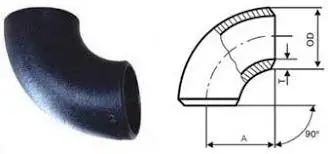
Advantages of Using Long Radius Buttweld Elbows in Your Projects
Enhanced Hydraulic Performance
While the 1.5D bend radius keeps the velocity profiles, it lowers energy losses. Lowering the pressure drop directly lowers the pumping costs over the lifecycle of the system. This efficiency gain can save a lot of energy in large-diameter water transmission mains. The smooth flow path also lowers erosion-corrosion on the inner arc, which makes parts last longer in rough or high-velocity services.
There is less turbulence in liquid systems, which stops cavitation damage, and there is less noise in steam systems, which helps reduce noise-related compliance concerns.
Structural Integrity
When utilizing long radius buttweld elbows, full-penetration welding creates a continuous, monolithic metal structure that matches or exceeds the strength of the parent pipe.This eliminates the weak spots that come with threaded connections, where stress can build up. The strong structure can withstand vibration from reciprocating equipment, temperature changes during startup and shutdown, and mechanical loads from earthquakes or equipment shifting.
Regulatory Compliance
It is easier for government projects and multinational companies to get approved if they follow internationally recognized standards. For example, ASME B16.9 elbows are accepted everywhere in North America. In Europe, DIN and EN standards are most common, and in the former Soviet Union, GOST specifications apply. Our ability to supply according to all major codes makes it easier for engineering firms around the world to find what they need.
Industry Versatility
These fittings are used in a lot of different fields, like oil and gas production, refining, and petrochemicals; power generation; water and wastewater treatment; mining and minerals processing; pharmaceutical manufacturing; and food processing. Because they can be used in so many different areas, it's easy to buy more of them when needs change.
Conclusion
Long radius buttweld elbows have been used for years in industrial piping because they are safer, more structurally sound, better with hydraulics, and more in line with regulations. Procurement professionals can make better decisions that lead to better project outcomes when they know the technical specs, material choices, and installation needs. The 1.5D bend radius lowers pressure losses while still meeting the needs of pipeline inspections. Full penetration welded joints offer strength that matches parent piping systems. Meeting international standards makes it easier to complete projects around the world. Choosing experienced manufacturers with strong quality systems, material traceability, and helpful customer service lowers procurement risks and guarantees a successful project completion.
FAQ
1. What distinguishes long-radius from short-radius buttweld elbows?
The bend radius makes the difference—a long radius has a 1.5D curve and a short radius has a 1.0D curve. This seemingly small difference has a big effect on hydraulic performance. In normal flow conditions, long radius designs generally produce lower pressure losses than short radius designs under similar flow conditions. The gentler bend also lets standard utility pigs pass through the fitting during pipeline inspection operations, which is why piggable systems need long-radius configurations.
2. How does wall thickness affect application suitability?
That's why it's important to match the schedule to the operating conditions and use the right safety factors. Schedule 40 works well for many moderate-pressure applications, depending on pipe size, material, and operating temperature. Schedule 80 and XS (extra strong) are commonly used for higher-pressure applications, depending on pipe size, material, and operating temperature, but it depends on the temperature and material. Schedule 160 and XXS can handle extreme conditions in high-pressure steam systems and refinery processing units.
3. What delivery timeframes should procurement managers expect?
Orders of standard sizes from stock usually ship within days. JS FITTINGS answers questions within an hour and keeps stock on hand to meet immediate needs. Custom orders that need special materials or non-standard sizes may take 4–8 weeks, depending on the availability of raw materials and production schedules. We can meet urgent project needs thanks to our 30,000-ton annual capacity and monthly output of over 800 tons of pipe fittings.
Partner with JS FITTINGS for Your Long Radius Buttweld Elbow Requirements.
For more than 40 years, JS FITTINGS has been making high-quality industrial pipes. As a dependable long radius buttweld elbow supplier, we keep a large inventory of all major material grades and dimensional specifications to meet both immediate needs and planned procurement schedules. Our advanced NDT capabilities, such as ultrasonic testing and magnetic particle inspection, make sure that every part meets strict quality standards before it is shipped.
Our projects have been approved by PETROBRAS, NIOC, and ADNOC, which shows that we can handle the toughest jobs. The steel we use comes from Tier-1 mills, and we have 3.1 mill test certificates that show where it came from. Precise CNC beveling makes field welding more reliable, which cuts down on installation time and costs.
You can count on us to deliver more than 90 containers every month, be on time more than 95% of the time, and get complaints less than 0.5% of the time. Our experienced international trade team can help you with technical issues quickly and coordinate logistics smoothly across 30+ countries. Email us at admin@jsfittings.com to talk about your needs, get detailed quotes, or set up a sample evaluation. Let JS FITTINGS become your go-to partner for high-quality pipe fittings that make projects successful.
References
1. American Society of Mechanical Engineers. ASME B16.9: Factory-Made Wrought Buttwelding Fittings. New York: ASME Standards Committee, 2018.
2. American Society of Mechanical Engineers. ASME B31.3: Process Piping Code. New York: ASME Press, 2020.
3. Mohitpour, M., Golshan, H., and Murray, A. Pipeline Design and Construction: A Practical Approach. Third Edition. New York: American Society of Civil Engineers Press, 2007.
4. Nayyar, M.L. Piping Handbook. Seventh Edition. New York: McGraw-Hill Professional, 2000.
5. Parisher, R.A. and Rhea, R.A. Pipe Drafting and Design. Third Edition. Burlington: Gulf Professional Publishing, 2012.
6. Smith, P.R. and Zappe, R.W. Valve Selection Handbook: Engineering Fundamentals for Selecting the Right Valve Design for Every Industrial Flow Application. Fifth Edition. Oxford: Gulf Professional Publishing, 2004.
Send Inquiry

Related Industry Knowledge
- ASTM A312 vs A358: Choosing the Right Stainless Steel Pipe Standard
- ASTM A263/A264 Standard for Corrosion-Resistant CRA Clad Pipe
- A53 ERW Pipe – Type, Grade, Performance, Tolerance, Application Full Analysis
- Key Considerations With ANSI Pipe Flanges
- FBE Coated Steel Pipe: The Ultimate Guide (Process & Specs)
- Induction Buttweld Bend vs Cold Bend: Pros and Cons
- How to Select a Buttweld Reducer for Process Piping?
- Do flanges with threaded holes take stud bolts?
- How to weld carbon steel pipe?
- What is a plate flange used for?