
Collaborative Art of Lap Joint Pipe Flange and Stub End






2026-06-11 09:57:58
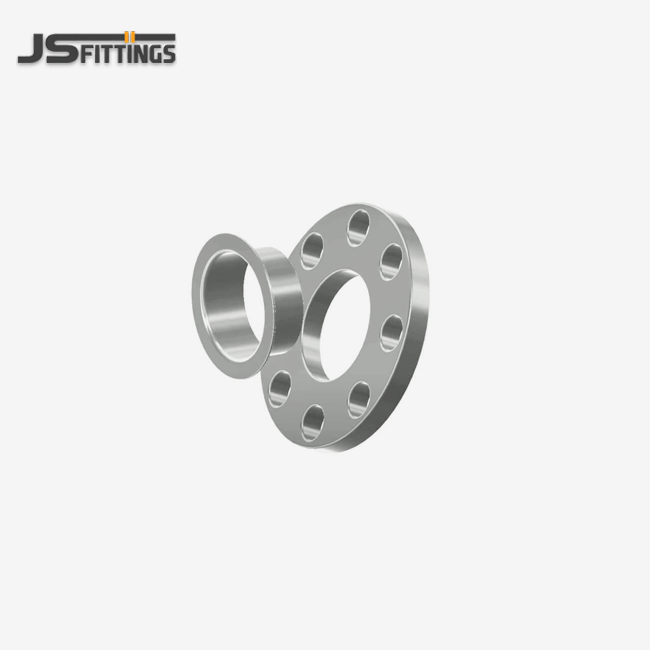
The lap-joint pipe flange is an advanced engineering solution used in modern plumbing systems. It is made up of two parts: a loose backing flange and a stub end that work together. This design solves important problems in industrial setups, like facilitating bolt-hole alignment and lowering the cost of materials. Unlike welded flange types, this rotational assembly gives you the most freedom during installation while remaining suitable for pressure classes from 150# to 2500# when properly designed and specified. This makes it a must-have for places where system access is needed often or where corrosive media is used.
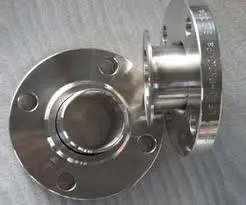
Understanding Lap Joint Pipe Flange and Stub End Fundamentals
What Makes This Assembly Unique?
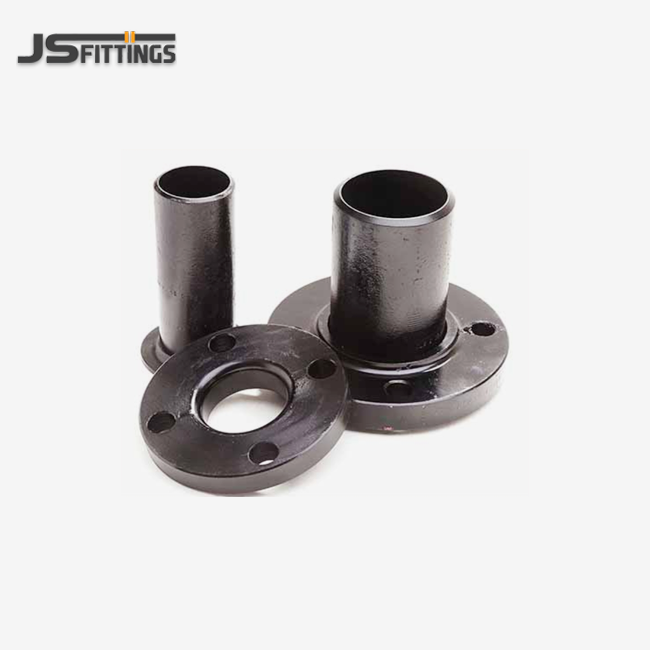
A carbon steel lap-joint pipe flange is made up of two parts: a loose backing flange and a stub end that fits. A lap-joint pipe flange is different from other flanges because it doesn't have a high face and is not welded straight to the pipe. Instead, it fits over the pipe and behind the stub end, which is joined to the pipe system by a butt weld. We make lap-joint pipe flanges at JS Fittings that let the pipe turn all the way around. Because of this, they are the standard choice for systems that need to be taken apart often for cleaning or inspection, as well as for projects where aligning the bolt holes is hard.
After the stub end is welded in place, the backing flange can still turn freely around the pipe axis. When workers need to match bolt holes with nearby pipe parts in tight areas, this freedom is very important. The closing surface is made by the stub end, which is basically a small piece of pipe with a flared edge. The seal makes a leak-proof joint when it is pressed between two stub ends using the backing flanges and nuts. The stub end seals, and the backing flange applies clamping force. This split of tasks gives you operating freedom and saves material.
Material Selection for Durability
The choice of materials has a direct effect on how long a system lasts in settings that are acidic or hot. Because they are strong for the price, carbon steel backing flanges are most often used in industrial settings. ASTM A105 carbon steel is commonly used in a wide range of ambient and elevated-temperature services within applicable code limits. When moving harsh chemicals through systems, workers pair cheap carbon steel backing flanges with 316L stainless steel or Inconel alloy stub ends that won't rust. This mixed method only uses high-quality materials where fluids touch them, which can substantially reduce material costs compared to using full exotic-alloy flange systems.
Alloy steels, such as ASTM A182 F11, are used in high-temperature settings like power plants and petroleum cracking units. 304, 316, and duplex types of stainless steel can handle chloride-filled conditions in desalination plants and offshore bases. To stop galvanic rusting at the weld joint, the stub-end material needs to match the base pipe metallurgy. The backing flange material, on the other hand, can be different depending on exposure to air rather than process fluid compatibility.
Compliance with International Standards
Long-term dependability depends on how precisely something is made. The exact bolt circle widths, flange thicknesses, and hole radii for sizes 1/2" to 24" are set by ASME/ANSI B16.5. ASME B16.47 Series A (formerly MSS SP-44) and Series B add 26" to 60" widths to the standards range for large-diameter pipes in storage tanks and industrial headers. Global interchangeability is made possible by these standards. A Class 300 4-inch lap-joint pipe flange from any maker that follows them will fit correctly with similar parts anywhere in the world.
Pressure classes define allowable pressure-temperature ratings that can be used at certain settings. Class 150 flanges have pressure-temperature ratings defined by ASME B16.5 and the applicable material specification. and are good for low-pressure process systems and water distribution. The Class 600 pressure-temperature ratings depend on the flange material and operating temperature. Class 1500 and 2500 grades are for oil refineries and chemical plants that use high pressure. The bore detail specification is very important. The internal bore has a certain radius where it meets the flange face to accommodate the fillet radius of the stub end. This makes sure that the load is evenly distributed and stops stress risers that could cause cracks when the load is applied and removed repeatedly.
Surface Protection Against Environmental Degradation
Choosing the right surface finish can increase the life of a product in tough environments. Standard black paint protects against rust in a basic way during shipping and keeping it inside. Oil coatings that stop rusting provide better short-term safety for shipping goods abroad. When you hot-dip galvanize something, you make a zinc layer that is metallurgically linked to the steel. This layer protects the steel for decades in coastal and industrial environments. This zinc rusts first, protecting the base metal. This makes galvanized lap-joint pipe flanges perfect for factories and production platforms near the coast and at sea, where salt fog speeds up rusting.
Comparing Lap Joint Flanges with Other Flange Types for Optimal Decision-Making
Performance Against Weld Neck Flanges
Weld neck flanges have a curved hub that gradually changes the thickness of the pipe wall to the thickness of the flange. This makes it easier for high pressures and temperature changes to spread out the stress. Because of their shape, they are commonly selected for critical high-pressure and high-temperature services. But because they are bonded together, they can't be rotated after fitting. When an EPC worker is putting together a weld-neck flange in the field and finds that the bolt holes are not lined up correctly, they have to cut out the flange and re-weld it, which takes hours of work and adds to the number of weld inspections that need to be done.
In return for being easier to install, lap-joint pipe flange assemblies give up some mechanical power. Under cyclic loads, lap joint flange assemblies generally provide lower resistance to severe cyclic loading than weld neck flanges because the stress path through them is broken up. Because of this, they are generally not preferred for severe high-vibration applications like rotary compressor pipes. But for static or low-cycle uses, like tank farm pipe, wastewater treatment headers, or chemical batching systems, the lap-joint pipe flange design is strong enough and makes it easy to put together and take apart.
Advantages Over Slip-On Flanges
Slip-on flanges fit over the outside diameter of the pipe and need fillet welds on both the inside and outside of the flange hole. This double-welding makes a strong link that can't be turned after it's been put in place. When purchasing managers look at the original prices, slip-on flanges seem like a good deal. When alignment work is added, the fixed cost equation changes. For example, in a retrofit job, forcing a slip-on flange to match existing bolt holes may require shimming, grinding, or even replacing the pipe section.
Lap-joint pipe flange systems make it easy to line things up because they can rotate freely. Once the stub-end butt weld is done, the installer can freely move the backing flange to line up with the holes in any direction. This feature can significantly reduce installation time for complicated pipes or equipment links that are hard to line up perfectly geometrically. Over the lifecycle of an asset, maintenance benefits build up. For example, systems requiring regular internal inspections can simply unbolt the lap joint flanges and temporarily remove the spool pieces without cutting any welds, completely preserving the main piping system's integrity.
When Threaded or Socket Weld Flanges Fall Short?
For low-pressure, small-diameter uses, threaded flanges can be easily attached to threaded pipe ends without the need for tools. Thread contact naturally limits the amount of pressure that can be applied and makes leak paths possible when the part is vibrating. With a single fillet weld, socket weld flanges can fit small-bore pipes, but they are not as flexible when it comes to spinning as slip-on types. Both types are most commonly used on smaller pipe sizes because they are harder to make and less reliable when they are under pressure.
From 1/2-inch instrument lines to 60-inch-diameter headers, carbon steel pipe lap joint flange designs work well. A wholesaler who keeps carbon steel pipe lap joint flange parts in stock can meet a wide range of customer needs with few new SKUs, since one backing flange size can fit a number of different stub end schedules.This inventory economy is vital for regional stockists who must keep components ready for emergency repairs without tying up excessive working capital in highly specialized or fully-alloyed flange inventories.
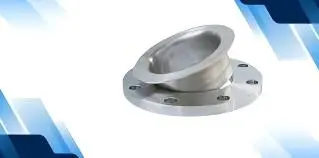
Installation, Maintenance, and Performance Optimization of Lap Joint Flanges and Stub Ends
Proper Installation Techniques
Preparing the stub end is the first step in a proper installation. To make the stub end fit the base pipe, it needs to be cut straight and beveled in accordance with the applicable welding procedure specification with a 1/16-inch root face. Welders should make sure that the face of the stub end flare stays clean and unharmed. Any cracking or distortion here will make it harder for the gasket to close. The butt weld that connects the stub end to the pipe must go all the way through and meet the requirements of ASME Section IX for the working circumstances.
Once the butt weld is done and checked, the worker puts the backing flange over the stub end and against the flare face. The type of gasket used depends on the job. Compressed non-asbestos fiber sheets are good for water and low-temperature fuel jobs, while spiral-wound metal gaskets with graphite filler are better for harsh chemicals or high temperatures. Tightening the bolts in a star design applies torque in three steps, making sure that the gasket seats properly without putting too much stress on any one bolt. Gasket makers print flange bolt torque charts that show the recommended torque values. These values must take into account the type of grease, the bolt's material, and the compression needs of the gasket.
Routine Maintenance Protocols
Unexpected failures can be avoided with systematic review plans. Inspection intervals should be established according to service conditions and maintenance programs at the uncovered flange surfaces, visually to see if they have any rust. Pay special attention to the areas around the bolt holes where water collects. Ultrasonic thickness testing should be scheduled according to corrosion rates and inspection requirements. measures how much metal is being lost in corrosive environments. This lets workers plan repairs before the wall thins too much. During shutdowns, leaks can be found by spray-testing with soapy water or electronic sniffers, depending on the process fluid. Small gasket leaks usually show up at 12 o'clock and 6 o'clock, where uneven compression is caused by gravity settling.
To change a gasket, you have to take out all the bolts and separate the flanges. Technicians must use brass scrapers to remove all of the old gasket material from both ends of the stub so as not to damage the sealing surface. If there are gouges deeper than 0.010 inches, the stub-end face needs to be machined flat again. When putting things back together, putting a small layer of the right anti-seize compound on the bolt threads stops galling and makes sure that the torque-to-tension ratios stay the same. When compared to fixing welded flange types in high-access areas like food processing clean-in-place systems, this maintenance can be done without cutting welds, which can significantly reduce system downtime.
Extending Component Lifespan Through Protective Measures
Strategies for matching materials make the most of cost and longevity. When engineers build a system to move seawater, they use 316L stainless steel stub ends to protect against chloride stress corrosion cracking and coated carbon steel backing flanges for the parts that won't get wet. This mix can provide long service life when properly designed and maintained at a fraction of the cost of building with only stainless steel. For underground or underwater pipes, cathodic protection systems should include the backing flanges in the protection zone to stop corrosion from the outside.
To combat the effects of thermal cycling, lap joint flange assemblies can be instrumental in preventing premature gasket failure. When process temperatures fluctuate by more than 200°F, the system should ideally utilize live-loaded bolting (such as Belleville washer stacks) to maintain consistent gasket compression, even as the backing flange and stub end expand or contract at different rates.When you re-torque the bolts after the first heat cycle, which usually happens after the first start, you can make up for the gasket compression set and stop the weeping leaks that happen when materials settle. By adhering to these operational best practices, petroleum and chemical plants can ensure their lap joint flange seals remain robust and leak-free for decades of continuous service.
Conclusion
In conclusion, the lap-joint pipe flange assembly works because of smart engineering that separates sealing and structural functions from rotational alignment. This separation makes it possible to get the best material use, fitting freedom, and servicing access that rigid-welded flanges can't offer. The hybrid material method is especially useful for procurement professionals who have to balance project costs with reliability standards. Carbon steel backing flanges combined with corrosion-resistant stub ends offer performance at a controlled cost. Choosing the right materials, installing them correctly, and following upkeep rules will ensure that they don't leak for decades in a wide range of commercial settings. Even though changes in metalworking and the need to be more environmentally friendly are changing how pipe systems are designed, the main benefits of working together are still strong.
FAQ
1. Can lap joint assemblies handle high-pressure cyclic services?
This setup works better for low-cycle or static uses than for ones that have constant shaking or pressure changes. Lower resistance to severe cyclic loading than welded flange types is achieved by the loose lap-joint pipe flange design. For better stress distribution and failure life, weld-neck flanges are usually needed for critical high-pressure uses that go through thermal cycles. Lap-joint pipe flange setups work well in places where the pressure stays mostly the same, like chemical batching systems, water treatment plants, and tank farm pipes.
2. Does the backing flange require a sealing face?
It's important to note that the backing lip doesn't touch the process fluid or help seal it. Its flat face only holds the stub end piece together by compressing the bolts. The gasket sits on the stub-end flare face, which is the real sealing surface. This split of functions lets you use cheap materials for the backing base while focusing on corrosion-resistant materials on the stub end, which is where fluid contact happens.
3. What happens if someone welds the backing flange to the pipe?
Welding goes against the main goal of the design, which was to allow rotating freedom for bolt hole placement. The assembly would lose its main benefit for easy fitting, but it would gain none of the structural benefits of welded flanges that were made just for that reason. For the system to work right, the backing lip must stay free. The pipe system is connected to only the stub end with a butt weld, using skilled welding techniques that are right for the materials and service conditions.
Partner with JS Fittings for Reliable Lap Joint Pipe Flange Solutions
JS Fittings has been making things for more than 40 years and works on industrial pipe projects all over the world. We offer carbon steel and stainless steel lap-joint pipe flange kits with diameters from 1/2" to 60". We keep stock of all ASME pressure classes to meet your shipping needs. Our manufacturing standards are backed up by ISO 9001, CE, and GOST-R certifications for our quality control systems. NIOC, ADNOC, and Petrobras have also approved our products. Over 700 tons of flanges and 800 tons of fittings are made every month, which serve projects of all sizes. Our 95% on-time delivery record and complaint rate of less than 0.5% show that we are reliable in our operations.
We can change the flange specs to fit your individual needs, whether they are for special drillings, non-standard materials, or different sizes. Our engineering support team responds to questions within one hour. Our expert team can help you find solutions that balance performance needs with budget realities, whether you're an EPC contractor in charge of building schedules, a distributor controlling regional supplies, or an end-user planning plant growth. As a premier manufacturer of industrial flanges exporting to over 30 countries worldwide, we deliver the comprehensive certifications, rapid customization options, and uncompromising quality your critical projects demand.Email our team at admin@jsfittings.com to talk about your unique application needs and get full technical proposals that will help you make decisions about what to buy.
References
1. American Society of Mechanical Engineers (2020). ASME B16.5: Pipe Flanges and Flanged Fittings NPS 1/2 Through NPS 24 Metric/Inch Standard. New York: ASME Press.
2. American Society of Mechanical Engineers (2018). ASME B16.47: Large Diameter Steel Flanges NPS 26 Through NPS 60 Metric/Inch Standard. New York: ASME Press.
3. Bickford, J.H. (2017). Gaskets and Gasketed Joints, Second Edition. Boca Raton: CRC Press, Taylor & Francis Group.
4. Parrish, R.W. (2019). Piping Materials Guide: For Mechanical Designers and Engineers. Houston: Gulf Professional Publishing.
5. Singh, A. & Kumar, R. (2021). Corrosion Behavior and Material Selection for Oil and Gas Production Environments. Materials Performance Journal, 60(4), 34-41.
6. ASTM International (2019). ASTM A105/A105M-19: Standard Specification for Carbon Steel Forgings for Piping Applications. West Conshohocken: ASTM International Standards.
Send Inquiry
Related Industry Knowledge
- All About ASTM A105 weld neck flange
- Long Radius Buttweld Elbow vs Short Radius Elbows: Which One to Use?
- Buttweld Bend Dimensions: LR, SR & Custom Radius Guide
- Collaborative Art of Lap Joint Pipe Flange and Stub End
- Carbon Steel Forged Steel Flange Supply: China Factory Wholesale
- Buttweld Elbow vs Socket Weld Elbow: Key Differences Explained
- What is seamless carbon steel pipe?
- When to use threaded flanges?
- What is rtj blind flange?
- Is a 90 or 45 degree elbow better for drain?